
Food and drinks
Food, plants, medicines and household substances: a safety guide for dogs and cats.
Understanding the assessments
The colour indicates acceptability under the conditions described. Benefits, restrictions and actions after ingestion are explained separately for each animal.
Results: 101
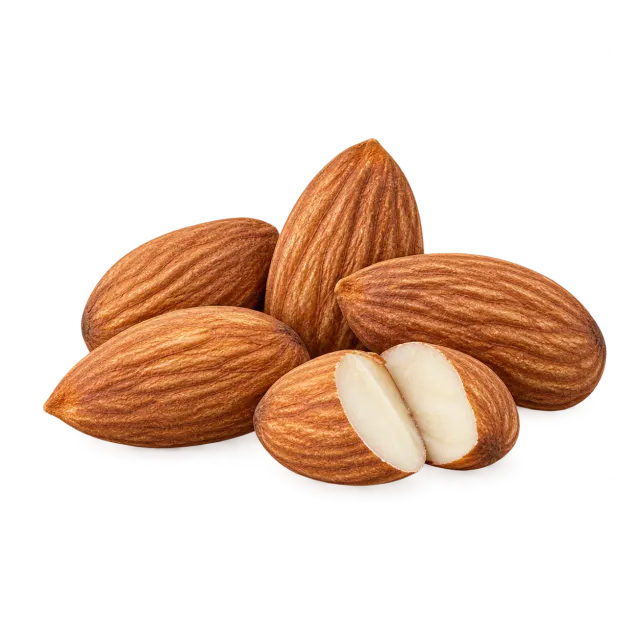
Almond
Ordinary sweet almonds are not poisonous, but they are fatty, hard and unnecessary as a treat. Offer only a little, finely chopped; never offer bitter almonds or products with hazardous additives.
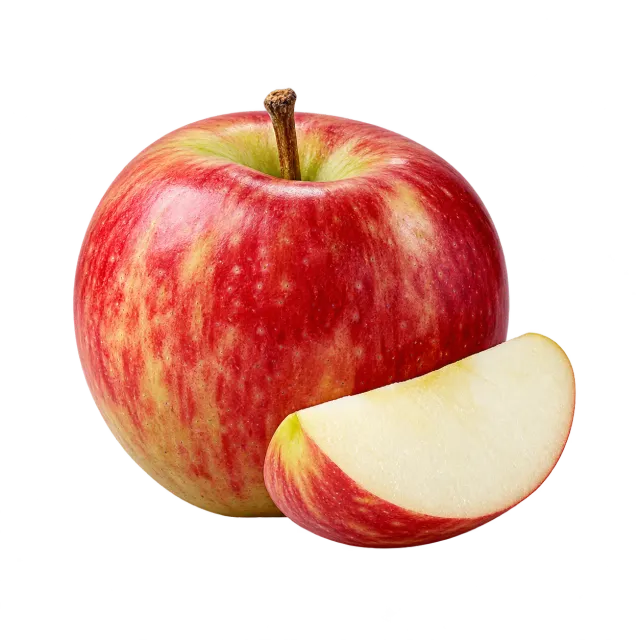
Apple
Dogs and cats can have a little apple flesh after the seeds, stem and firm core have been removed. Cut the apple into small pieces.
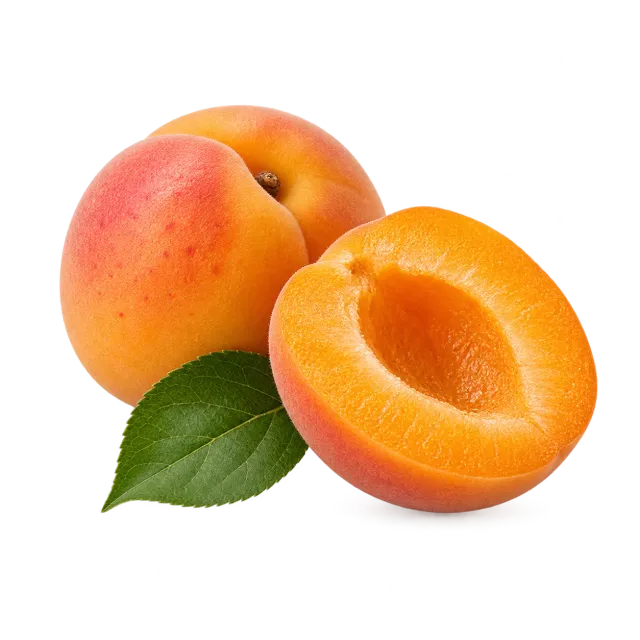
Apricot
A small piece of ripe, pitted flesh can be an occasional treat. Do not offer the pit, kernel, leaves or twigs.
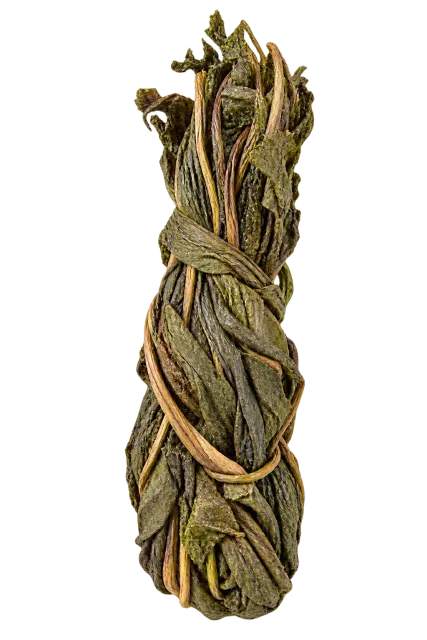
Aveluk
Aveluk made from Rumex crispus contains soluble oxalates. Do not feed it to dogs or cats. A small piece is more likely to cause digestive upset, while a large or repeated amount can damage the kidneys and disturb calcium balance.
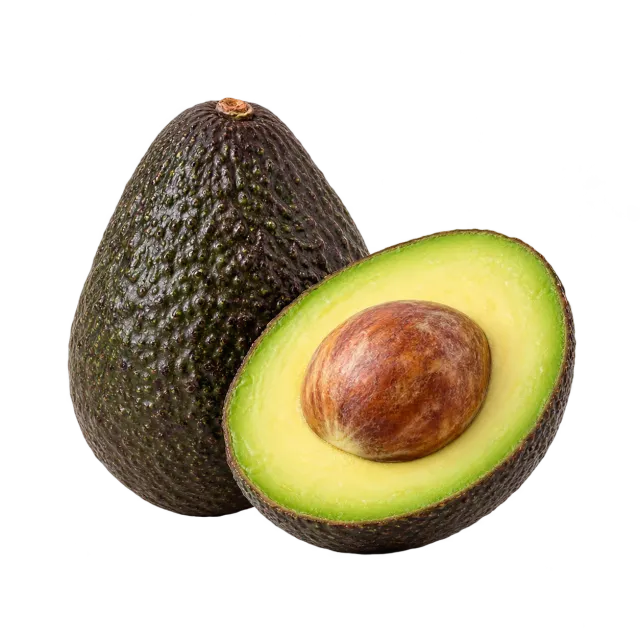
Avocado
A small piece of ripe flesh is unlikely to poison a dog or cat, but avocado is fatty and unnecessary in their diet. The pit is a dangerous foreign body, and dishes containing onion or garlic must not be offered.
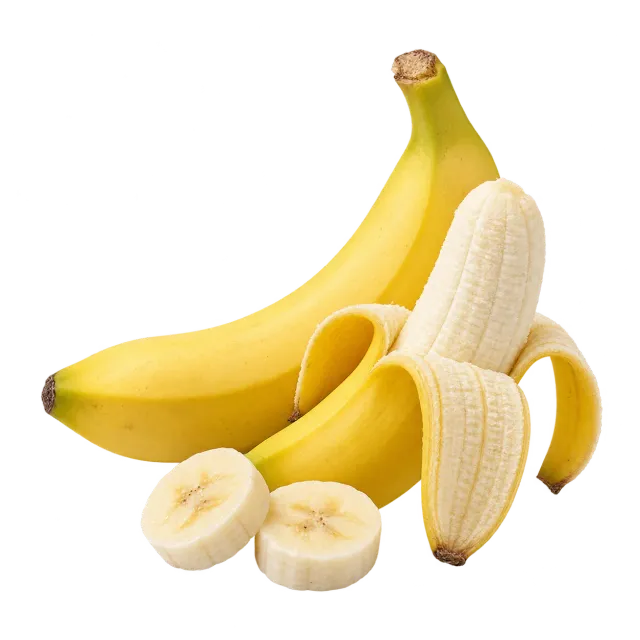
Bananas
Dogs and cats can occasionally have a little ripe banana flesh with no additions. Do not feed the peel. Dried bananas and desserts need a separate assessment.
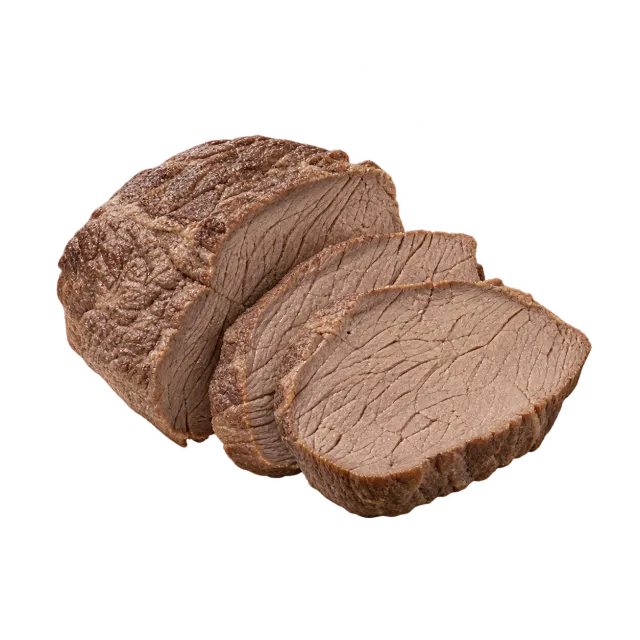
Beef
Dogs and cats may have a small amount of lean, fully cooked beef without bones or additives as an occasional treat. Raw meat, bones, fat and seasonings change the rating.
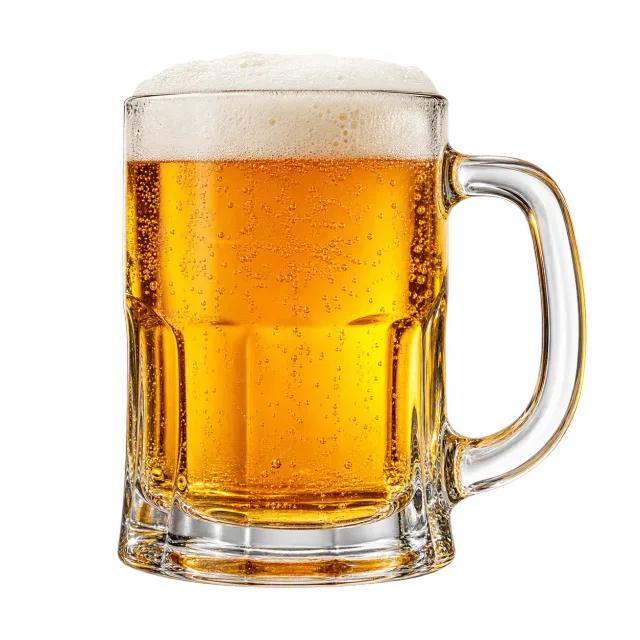
Beer
Do not give ordinary beer to dogs or cats. Ethanol is absorbed quickly and can depress the brain, breathing and metabolism. Call the clinic immediately after ingestion. Symptoms can start quickly.
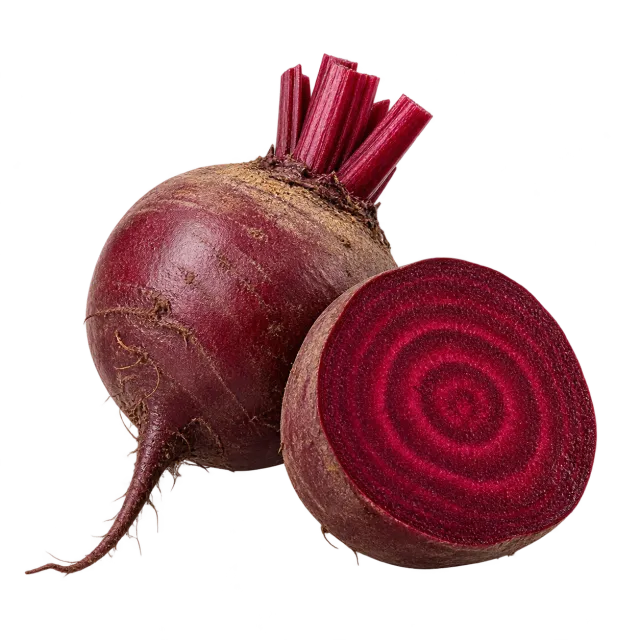
Beetroot
Dogs and cats can have a little plain beetroot. Offer the root soft and finely chopped. Raw beetroot, greens and pickles need extra care; dishes with onion or garlic are dangerous.
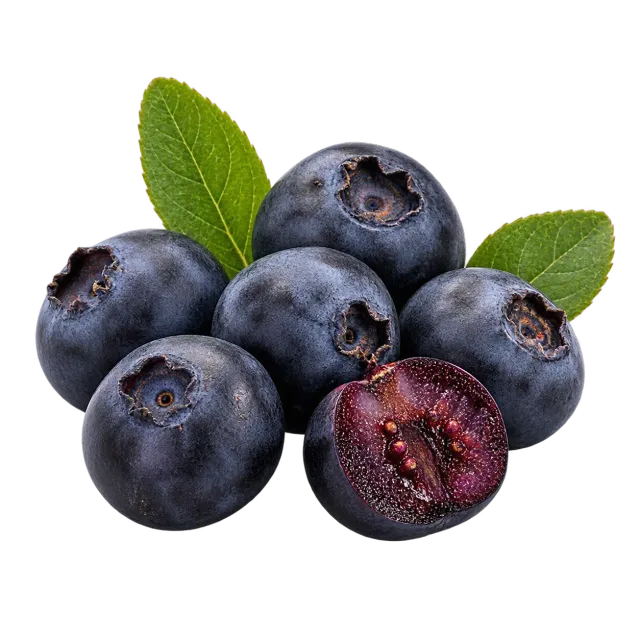
Bilberry
Dogs and cats can have a little ripe, plain bilberry. Wash it, remove the leafy top and cut it into small pieces. Jam and desserts need a separate assessment.
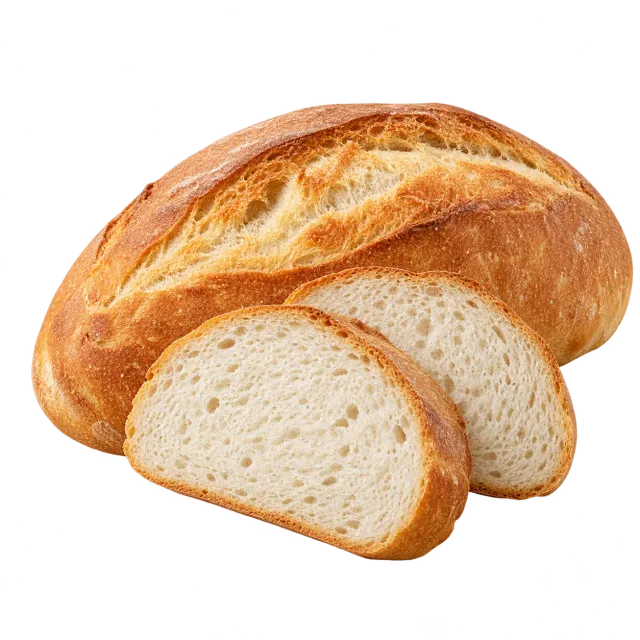
Bread
Dogs and cats can occasionally have a small piece of plain baked bread without hazardous ingredients. Raw yeast dough, mold and certain fillings change the risk: call a vet immediately after such an exposure.
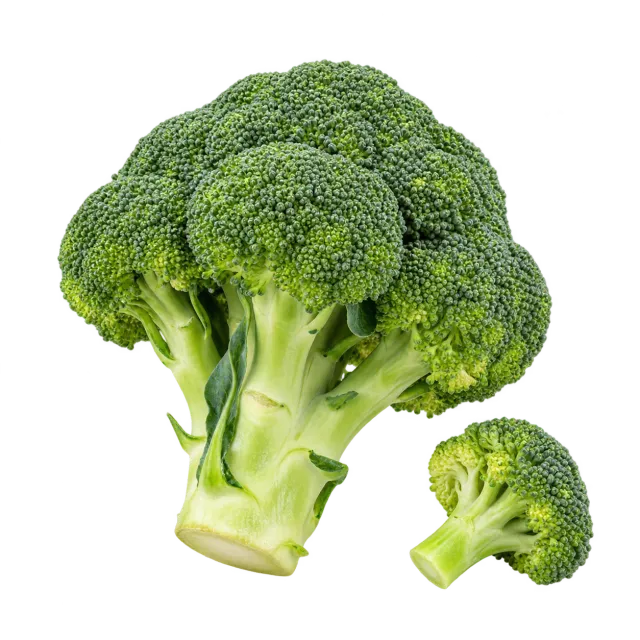
Broccoli
Dogs and cats can have only a little plain broccoli. Offer small, soft pieces: a large portion may upset digestion, and a tough stalk can cause choking. Dishes containing onion or garlic are dangerous.
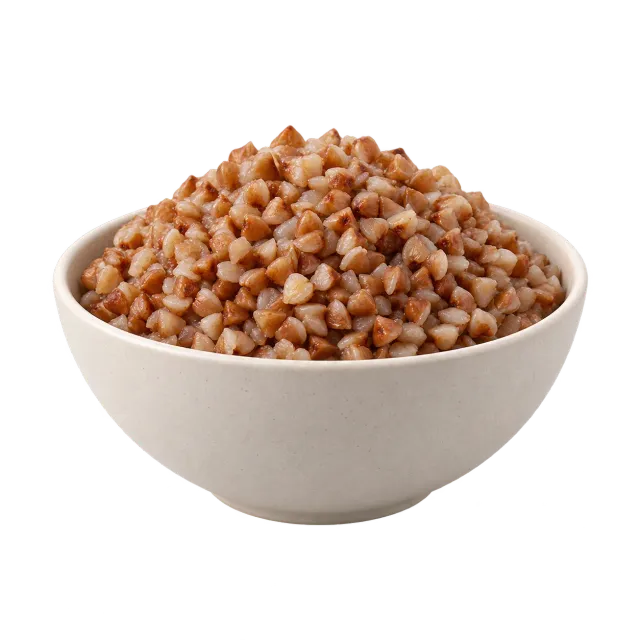
Buckwheat
Do not deliberately feed buckwheat to dogs: one veterinary study found an association with liver disease, although the cause remains unknown. A cat may have only a little plain cooked buckwheat as an occasional extra alongside a complete diet.
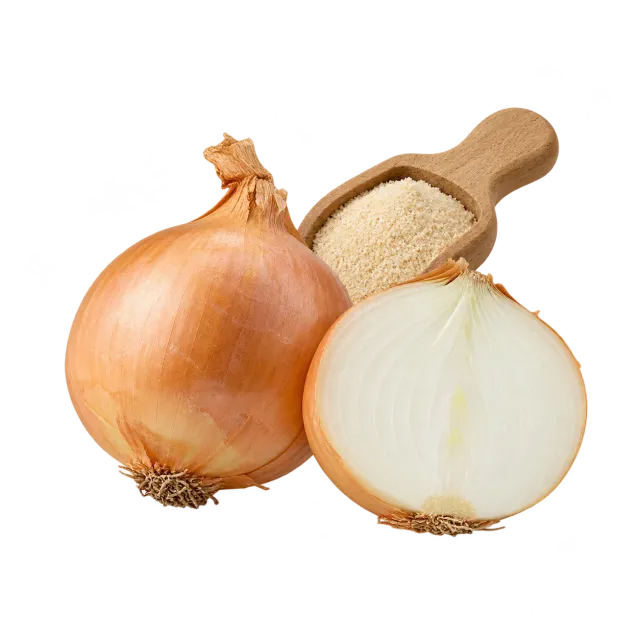
Bulb onion
Do not feed onion to dogs or cats. Raw, cooked, dried and powdered onion can damage red blood cells and cause haemolytic anaemia.
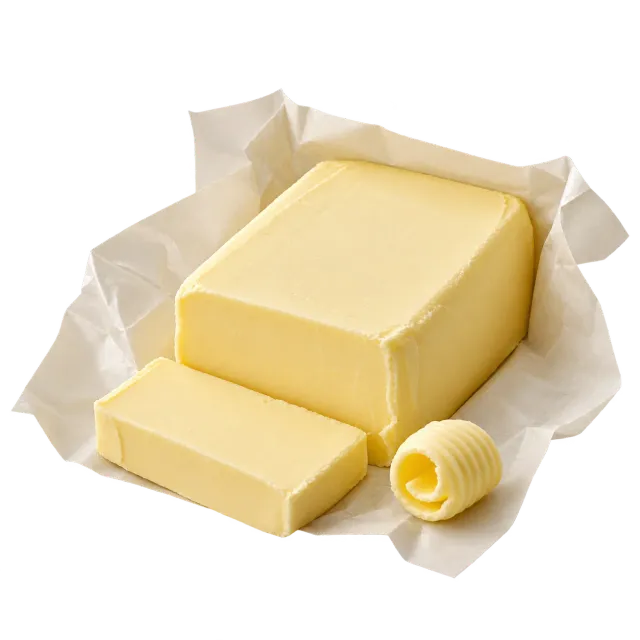
Butter
Plain butter is not poisonous, but it is very high in fat and calories and is best kept away from dogs and cats. Butter containing onion or garlic is dangerous.
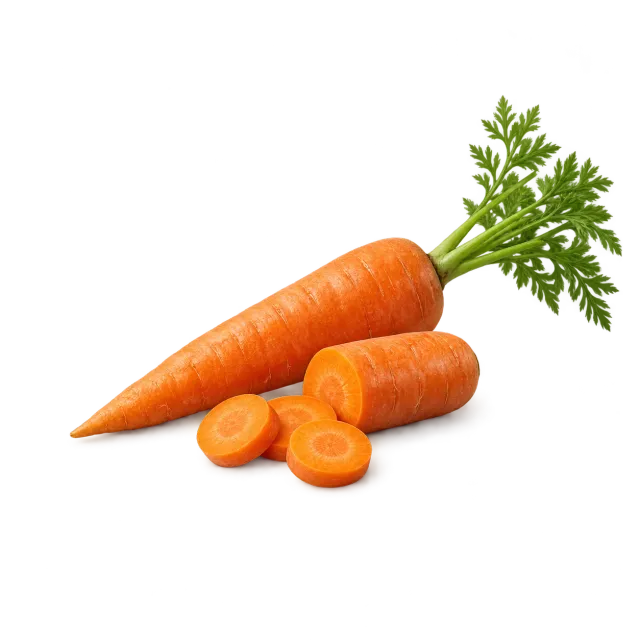
Carrot
Plain carrot is suitable for dogs and cats as a small treat. Texture, piece size and individual tolerance matter.
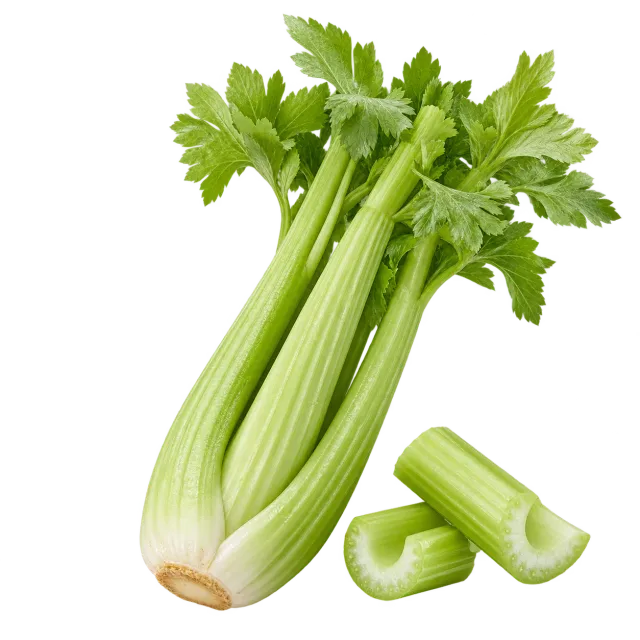
Celery
Dogs and cats may have a little plain celery cut into small pieces. Long fibrous stalks can cause choking, and dishes containing onion or garlic are dangerous.
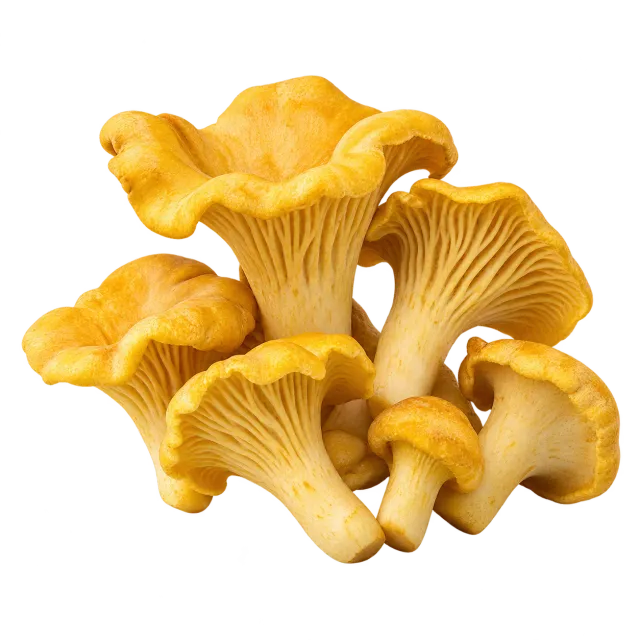
Chanterelles
True chanterelles are not considered poisonous, but there is no reason to feed them to a dog or cat. A small amount of reliably identified, fully cooked plain mushroom usually calls for observation. A foraged or unidentified mushroom needs an urgent call to a veterinarian.