
Already eaten — what now?
For dogs and cats
After a small amount of lean, fully cooked beef without additives and with no symptoms, observation is usually enough. If the meat was raw, fatty or contained bones, onion, garlic or an unknown sauce, check the relevant variant below. Seek urgent care for repeated vomiting, severe pain, lethargy, abdominal swelling or difficulty breathing.
Variants and ingredients
Lean and fully cookedFor dogs and cats: Acceptable
Small soft pieces without bones or additives.
For dogs and cats
Conditions and restrictions
Trim visible fat, cook fully, cool and cut to suit your pet’s size. Do not add salt, oil, sauce, onion or garlic.
Benefits
Can be an occasional protein-rich treat; it does not replace complete food.
Risks
- Too many treats unbalance the diet and add excess calories.
Already eaten — what now?
If only a little was eaten and there are no symptoms, observe. Contact a veterinarian for vomiting, diarrhoea, pain or lethargy.
Raw or undercookedFor dogs and cats: Dangerous
Raw meat and mince may carry pathogens; there is no proven benefit over a balanced cooked diet.
For dogs and cats
Conditions and restrictions
Do not offer raw beef. Freezing, drying and freeze-drying do not kill every bacterium; fully cooking the meat is safer.
Benefits
There is no proven additional benefit.
Risks
- Raw meat may carry Salmonella, Listeria, E. coli, Campylobacter and other pathogens that can harm the pet and people in the household.
- A pet may shed pathogens in faeces without obvious symptoms, and a raw meat-only diet can be nutritionally unbalanced.
Already eaten — what now?
Remove leftovers and wash your hands, the bowl and contaminated surfaces. Watch for appetite loss, vomiting, diarrhoea, blood in the stool and lethargy. Call a veterinarian if symptoms develop, a large amount was eaten, or the pet is very young, elderly or unwell.
With onion or garlicFor dogs and cats: Dangerous · Urgent help needed
Stewed meat, patties, sauces and seasonings may contain fresh, dried or powdered onion or garlic.
For dogs and cats
Conditions and restrictions
Do not feed it. Risk depends on the recipe, amount, the pet’s weight and repeated exposure; cats are particularly sensitive.
Benefits
There is no benefit for the pet.
Risks
- Onion and garlic can irritate the digestive tract and damage red blood cells, causing anaemia.
- Weakness, pale gums, rapid breathing and dark urine may be delayed.
Already eaten — what now?
Keep the recipe or packaging and call the clinic promptly. Report the pet’s species and weight, the time, approximate amount and ingredients. Do not wait for symptoms or induce vomiting unless a veterinarian tells you to.
With boneFor dogs and cats: Dangerous · Urgent help needed
Raw and cooked bones can damage teeth, lodge or injure the digestive tract.
For dogs and cats
Conditions and restrictions
Do not give beef bones, including large marrow bones and cooked bones.
Benefits
A safe dental benefit has not been shown.
Risks
- A bone can fracture a tooth, lodge in the mouth or oesophagus, or cause choking, constipation, obstruction or intestinal perforation.
- Warning signs include drooling, gagging, repeated swallowing, vomiting, pain and refusal to eat.
Already eaten — what now?
If your pet swallowed a bone or fragment, call the clinic and describe its size, type, timing and any symptoms. Do not induce vomiting, feed food to “push it through,” or pull on a lodged fragment. Difficulty breathing, continuous gagging or sudden severe pain needs immediate care.
Fatty, fried, salty or smokedFor dogs and cats: With restrictions
Fat trimmings, fried meat, sausage, jerky and other foods made for people vary widely in composition.
For dogs and cats
Conditions and restrictions
Do not use it as a routine treat. Check the ingredients for onion, garlic, excess salt and other hazards; even a small portion may be unsuitable for a pet with pancreatitis or a prescribed diet.
Benefits
There is no special benefit over lean meat.
Risks
- Fatty food can cause vomiting and diarrhoea; in susceptible dogs it is associated with pancreatitis risk.
- Salt, onion, garlic and other additives create separate risks that cannot be assessed from the word “beef” alone.
Already eaten — what now?
After a small piece with no hazardous additives and no symptoms, observe. Keep the packaging or recipe. Call a veterinarian if the ingredients are unknown, a large portion was eaten, or repeated vomiting, pain, lethargy, tremors or marked thirst develops.
Conditions and risks
For dogs
Conditions and restrictions
Choose a lean cut, cook it fully, cool it and cut it into small pieces. Offer only a little; all treats together should usually stay within 10% of daily calories. Ask your veterinarian first if your dog has a food allergy, pancreatitis, a prescribed diet or another illness.
Benefits
Small pieces can be a protein-rich treat or reward if your dog tolerates beef.
Risks
- A large portion or abrupt diet change can cause vomiting or diarrhoea; fatty meat raises the risk of pancreatic problems in susceptible dogs.
- Beef can be a food allergen, and a large piece can lodge if a dog gulps without chewing.
For cats
Conditions and restrictions
Choose a lean cut, cook it fully, cool it and cut it into small pieces. Offer only a little; all treats together should usually stay within 10% of daily calories. Ask your veterinarian first if your cat has a food allergy, pancreatitis, a prescribed diet or another illness.
Benefits
Small pieces can be an appealing protein-rich treat if your cat tolerates beef. A cat eating complete food has no separate need for it.
Risks
- A large portion or abrupt diet change can cause vomiting or diarrhoea; fatty meat is unsuitable for cats with some medical conditions.
- Beef can be a food allergen, and a large piece can lodge.
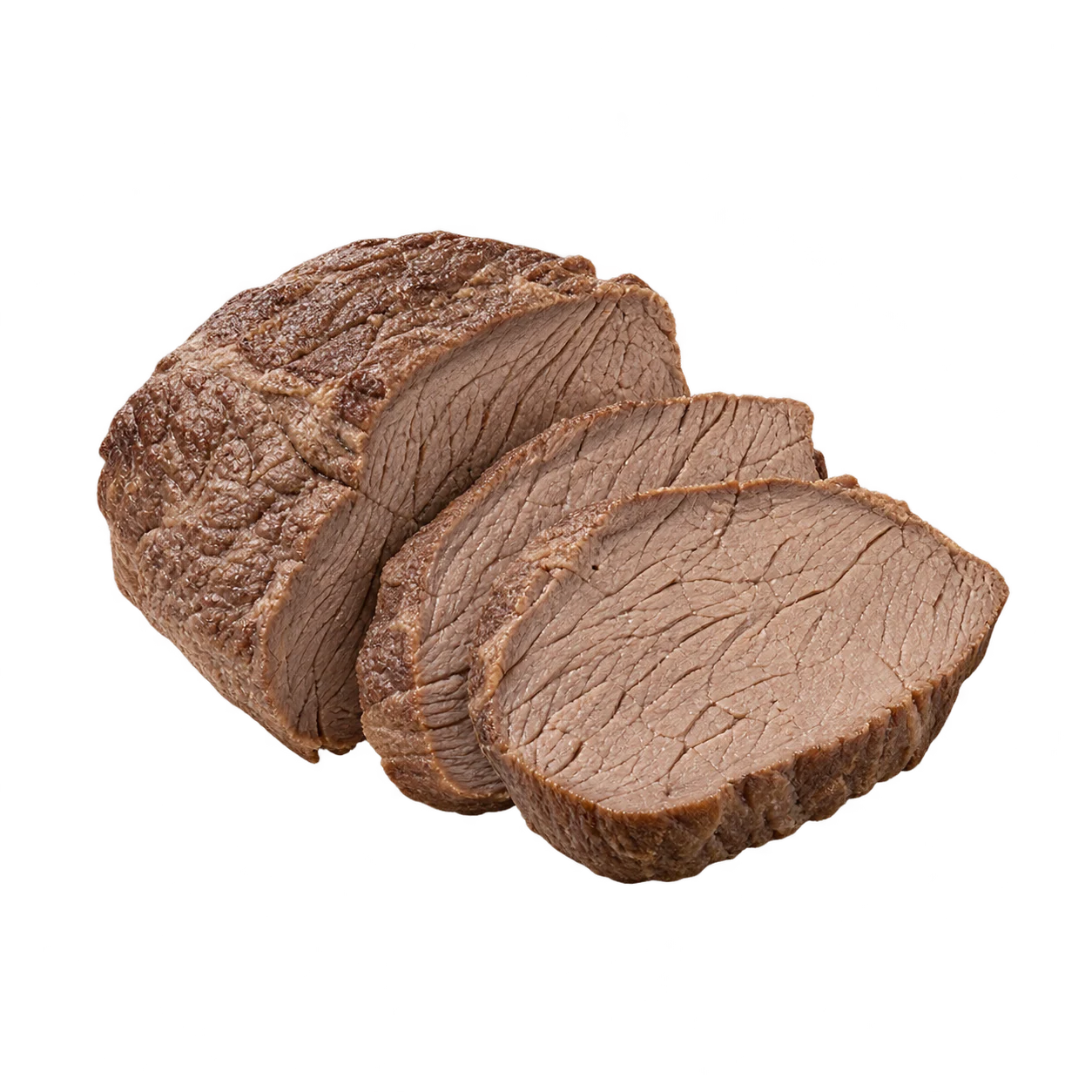
The green rating covers a small portion of lean beef that has been fully cooked, cooled and served without bones, salt, oil, sauce, onion or garlic. It is a treat, not a replacement for complete food.
Sources
- WSAVA Global Nutrition Committee: Raw Meat Based Diets for Pets
- WSAVA Global Nutrition Committee: Frequently Asked Questions and Myths
- WSAVA Nutrition Committee: Feeding Treats to Your Dog
- AAHA: Is My Pet Overweight?
- Merck Veterinary Manual: Nutritional Requirements of Small Animals
- Merck Veterinary Manual: Esophageal Foreign Bodies in Small Animals
- Merck Veterinary Manual: Sources of Food Allergens in Dogs and Cats
- ASPCA Animal Poison Control: People Foods to Avoid Feeding Your Pets
- FDA Center for Veterinary Medicine: Raw Pet Food Diets Can Be Dangerous
Comments
No comments yet.