
Food and drinks
Food, plants, medicines and household substances: a safety guide for dogs and cats.
Understanding the assessments
The colour indicates acceptability under the conditions described. Benefits, restrictions and actions after ingestion are explained separately for each animal.
Results: 101
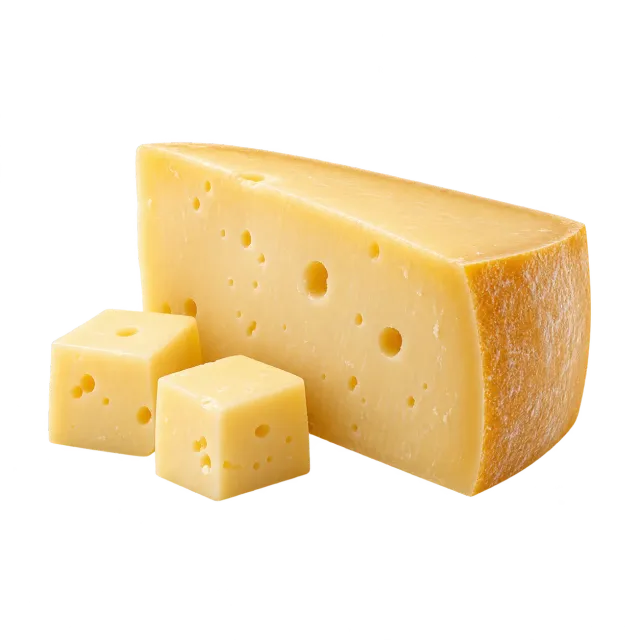
Cheese
Plain cheese needs limits: a dog may occasionally have a small piece; it is better not to offer it to a cat deliberately. Cheese with onion, garlic, blue mould or mould from spoilage is dangerous.
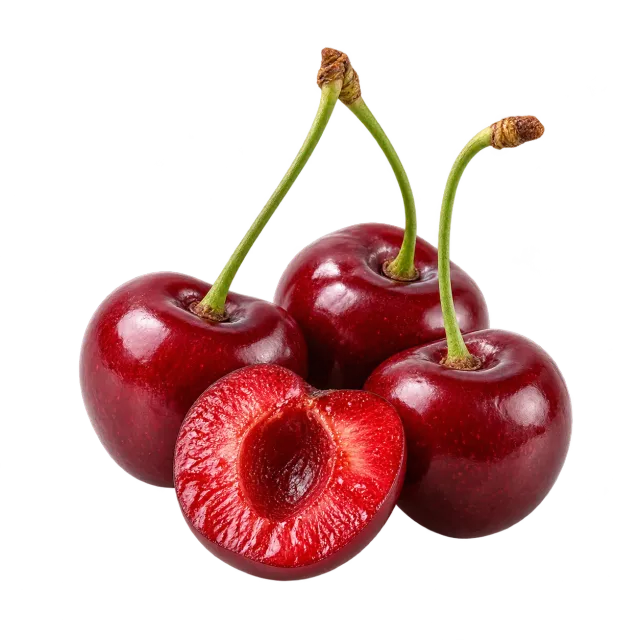
Cherry
A small amount of ripe flesh with the pit removed can be an occasional treat. Do not offer the pit, kernel, leaves or twigs.
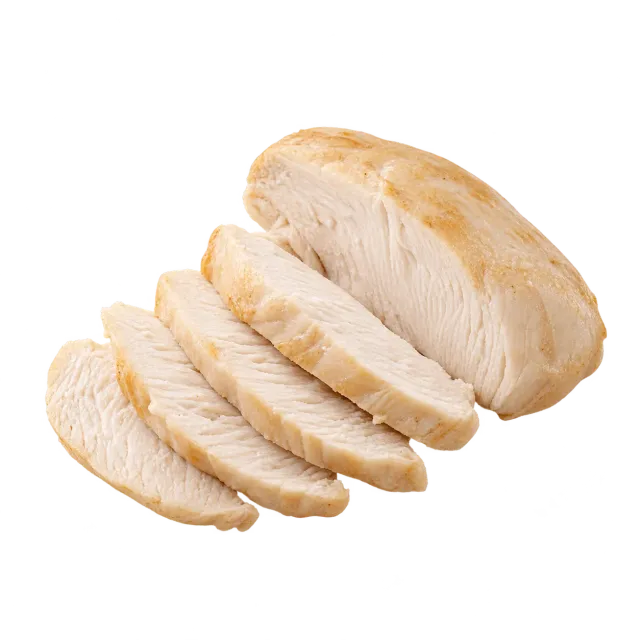
Chicken
Dogs and cats may occasionally have a little lean, fully cooked chicken without skin, bones or added ingredients. Raw meat, bones, fatty skin, onion and garlic change the rating.
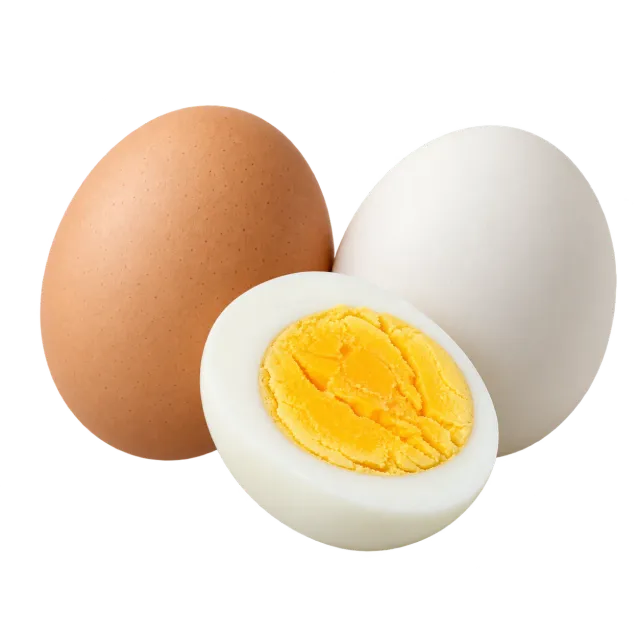
Chicken eggs
Dogs and cats can have a little fully cooked chicken egg without shell or additions. We do not recommend raw egg; egg dishes containing onion or garlic are dangerous.
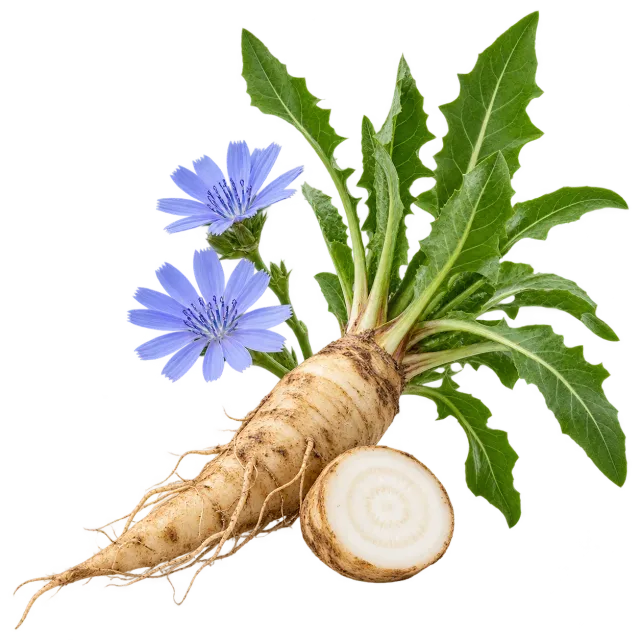
Chicory
Plain caffeine-free chicory is not a known poison for dogs or cats. There is no reason to offer it deliberately: inulin and other fermentable fibres may cause gas and diarrhoea. A chicory blend containing coffee must be assessed as a caffeinated product.
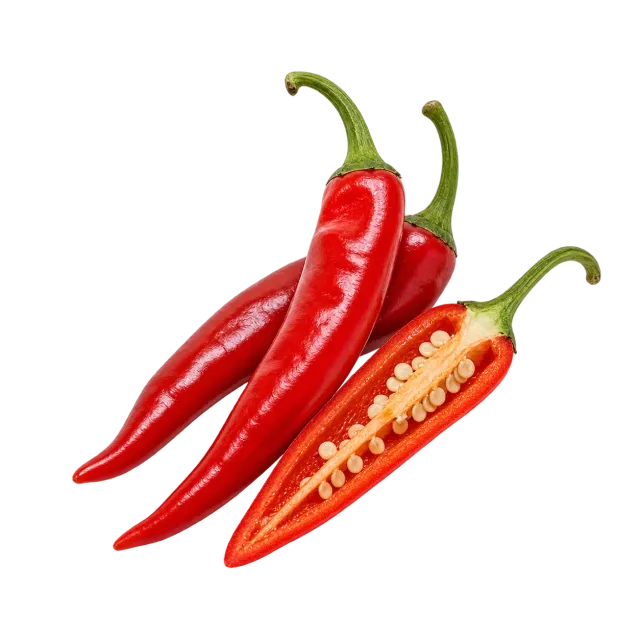
Chili pepper
Do not feed chili pepper to dogs or cats. Capsaicin irritates the mouth and gastrointestinal tract; powder, hot sauce and concentrates need separate caution.
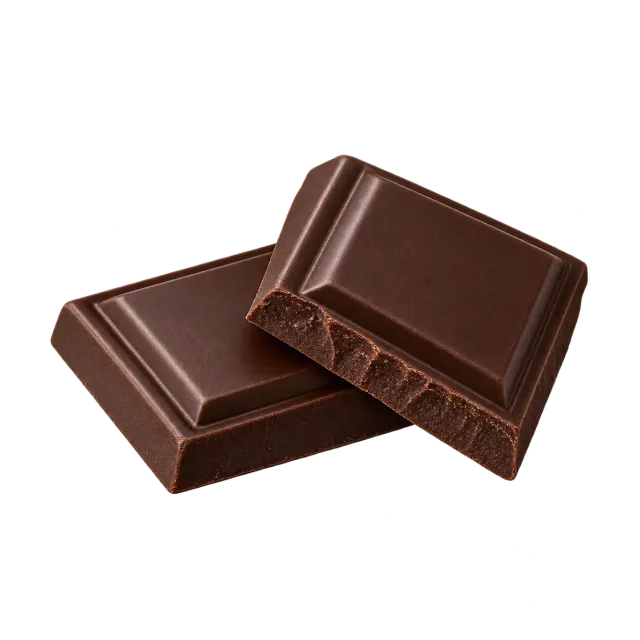
Chocolate
Chocolate is dangerous for dogs and cats. Risk depends on the ingredients, amount and pet’s weight. Call a vet immediately if eaten.
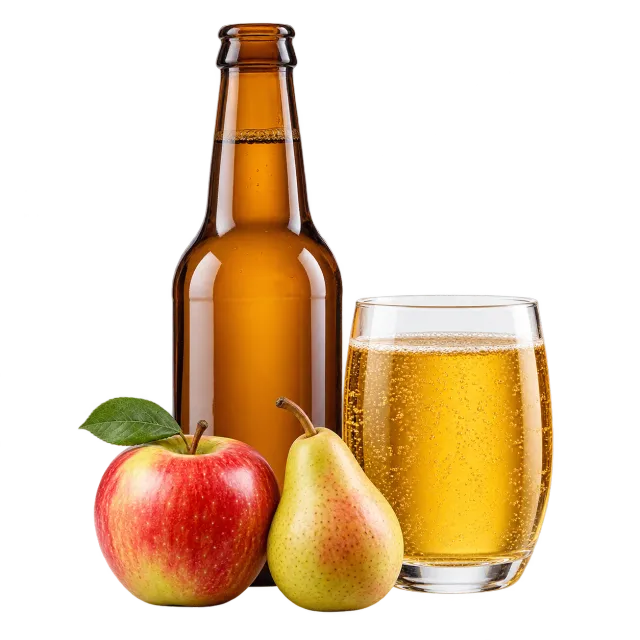
Cider
Do not give alcoholic cider to dogs or cats. Ethanol is absorbed quickly and can depress the brain, breathing and metabolism. Call the clinic immediately after ingestion rather than waiting for symptoms.
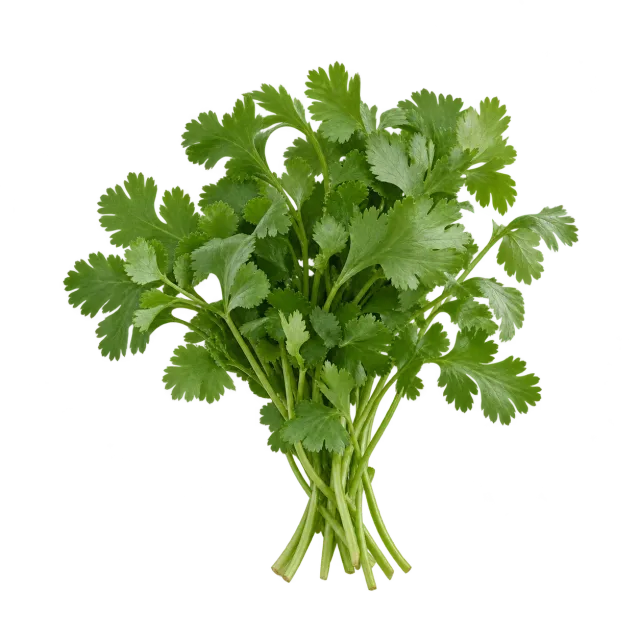
Cilantro
A small amount of plain fresh cilantro is suitable for dogs and cats. Coriander seeds need caution, while concentrated essential oil should not be fed or applied to a pet.
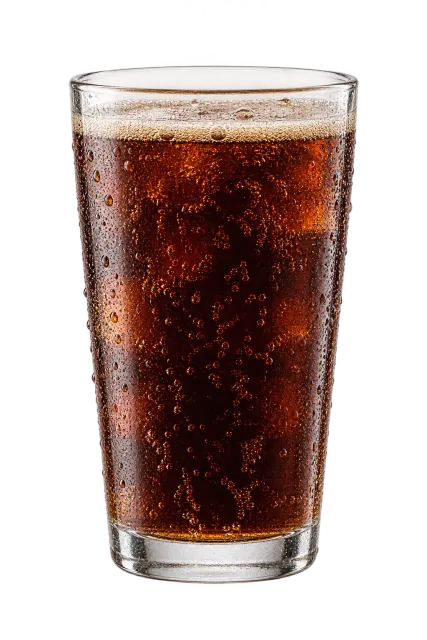
Coca-Cola
Do not offer Coca-Cola to a dog or cat. Original and Zero products contain caffeine, and recipes vary by market and version. After one or two licks of a finished drink with no signs, observation is usually enough; a larger or unknown amount, concentrated syrup or symptoms call for veterinary advice.
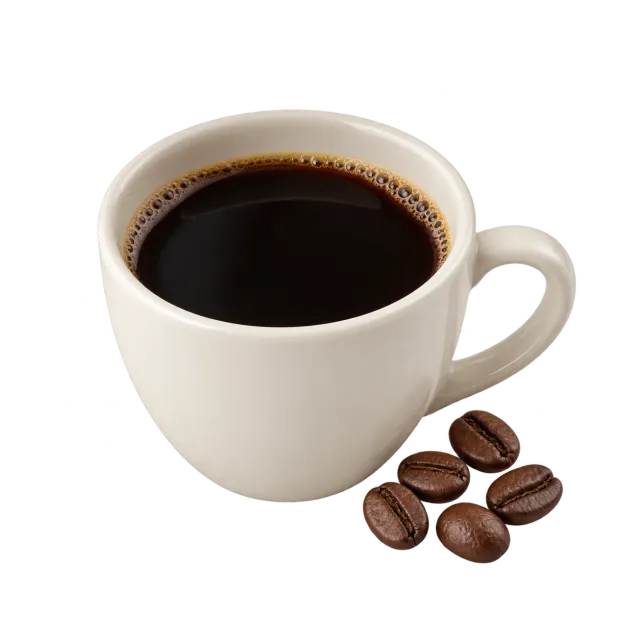
Coffee
Caffeinated coffee is dangerous for dogs and cats. Beans and grounds are especially concentrated. If your pet drank coffee or ate beans, contact a veterinarian promptly for a risk assessment.
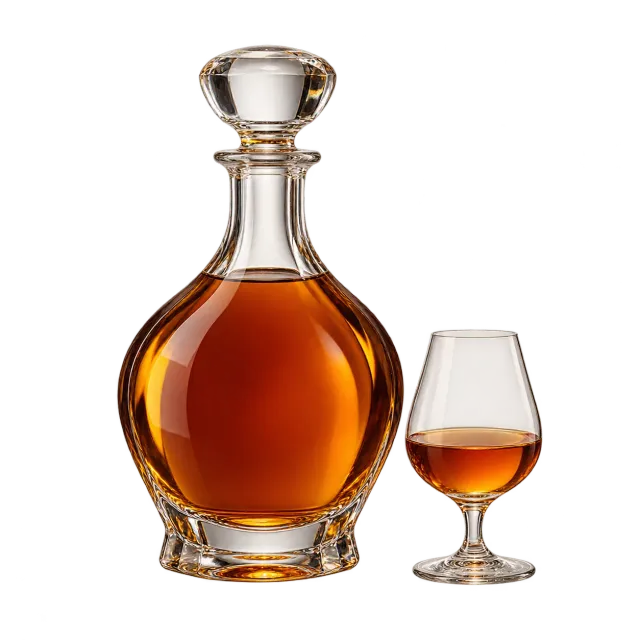
Cognac (brandy)
Do not give cognac or brandy to a dog or cat. Ethanol is absorbed quickly and can dangerously depress the nervous system, breathing, body temperature and blood glucose.
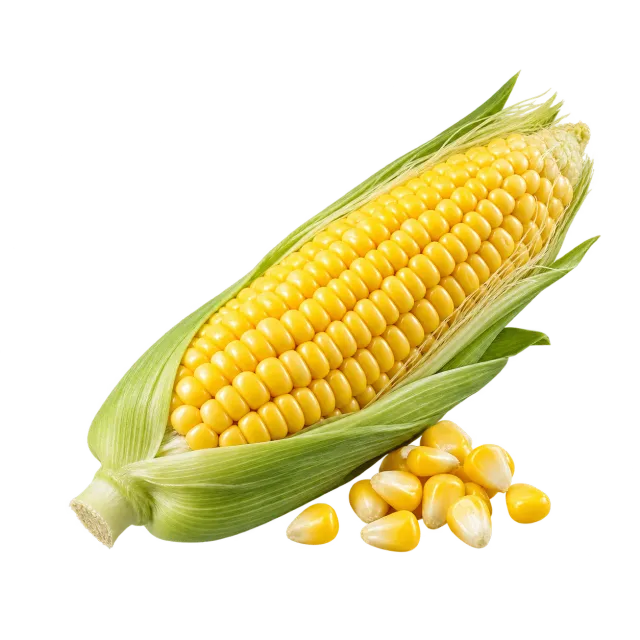
Corn
Dogs and cats may have a little plain, soft, cooked corn. Never offer the cob: a swallowed piece can block the intestine. If your pet swallows part of a cob, contact a veterinarian straight away, even if they seem well.
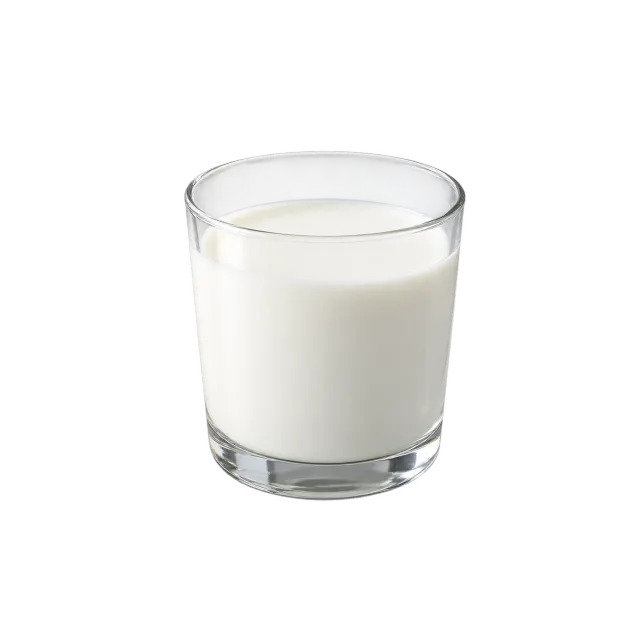
Cow’s milk
Cow’s milk is unsuitable for dogs and cats: lactose can cause digestive upset. Pasteurised, lactose-free and raw milk have different risks.
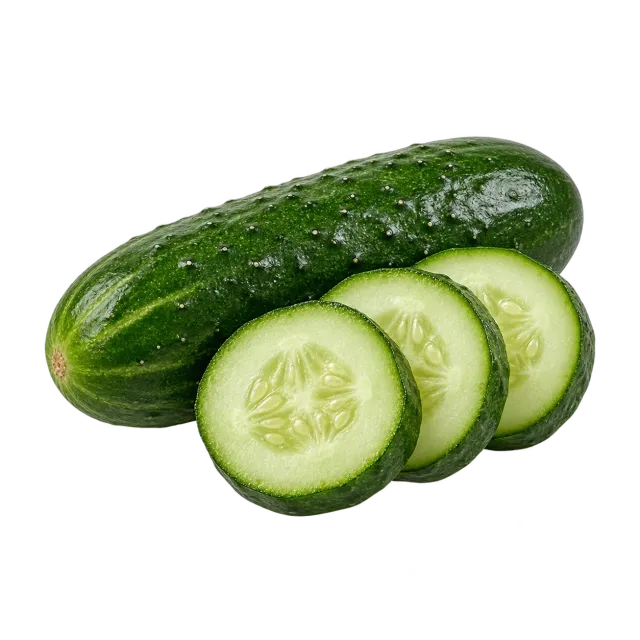
Cucumber
Dogs and cats may have a little fresh cucumber with no salt or seasoning. Cut it to suit your pet; pickled cucumber needs an ingredient-specific assessment.
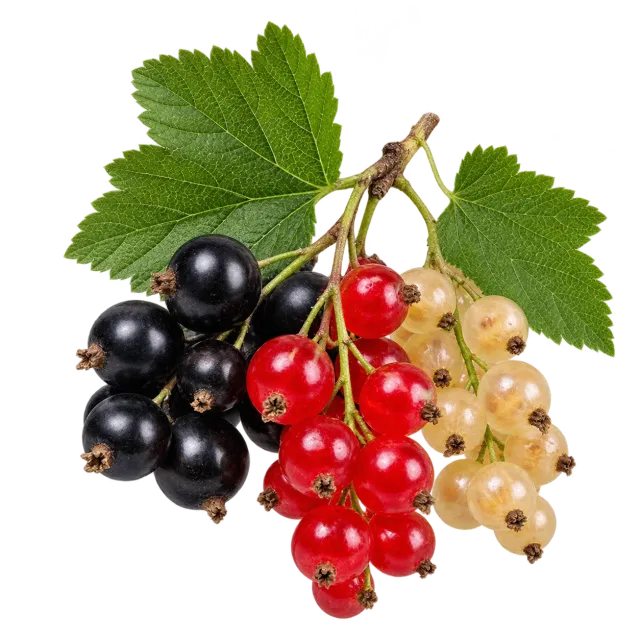
Currants
Fresh true currants from the Ribes genus are not considered poisonous to dogs or cats. Offer only a small plain portion. Check English labels carefully: Zante currants are dried grapes, not Ribes berries, and belong with raisins.
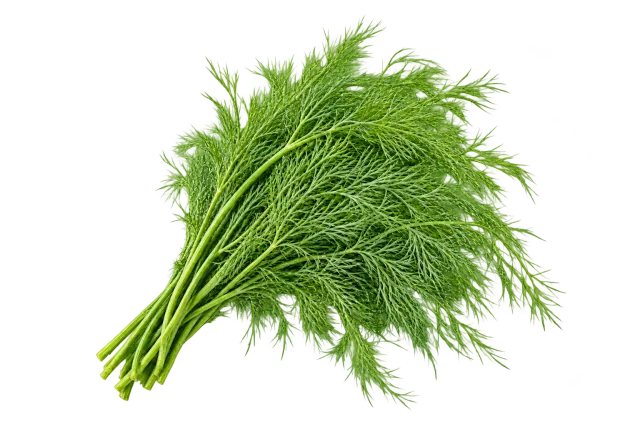
Dill
Dogs and cats may have a small amount of plain fresh or dried dill. Do not give dill essential oil by mouth or apply it to a pet.
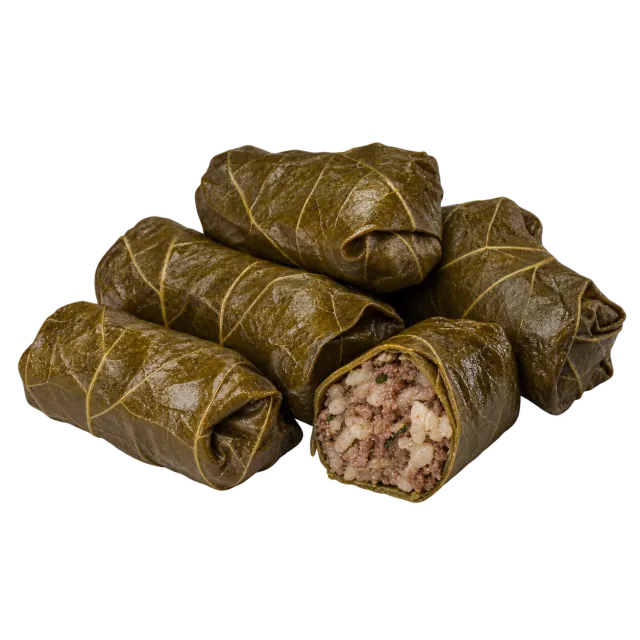
Dolma
Dolma can only be assessed from its recipe. A small piece of a fully cooked dish with no hazardous ingredients is suitable with restrictions; onion, garlic, grapes, or raisins make it dangerous for dogs and cats.