
Already eaten — what now?
For dogs and cats
After a small plain piece, watch your pet if they otherwise seem well. Remove the leftovers. Contact a veterinarian after a large amount, an unknown recipe, vomiting, diarrhoea or lethargy. Difficulty breathing, choking or inability to swallow needs immediate care. If the dish contained onion or garlic, call straight away even without symptoms. Do not induce vomiting yourself.
Variants and ingredients
Boiled or steamed, plainFor dogs and cats: With restrictions
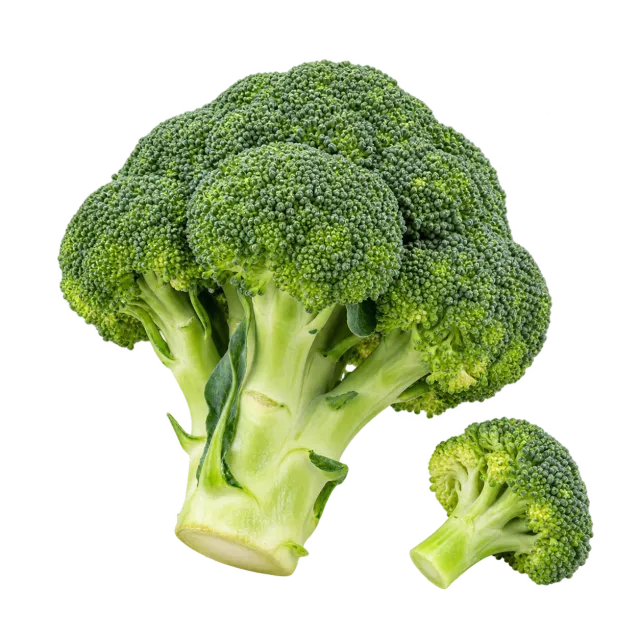
Fresh or frozen broccoli cooked until soft. Includes puree made only with broccoli and water.
For dogs and cats
Conditions and restrictions
Boil in water or steam without additions. Let it cool, then mash or chop finely and remove the tough part of the stalk. Offer only a little. Cooking does not make a large portion suitable.
Already eaten — what now?
After a small plain piece, watch your pet if they otherwise seem well. Remove the leftovers. Contact a veterinarian after a large amount, an unknown recipe, vomiting, diarrhoea or lethargy. Difficulty breathing, choking or inability to swallow needs immediate care. If the dish contained onion or garlic, call straight away even without symptoms. Do not induce vomiting yourself.
For dogs
Benefits
It can be an occasional vegetable treat and contains fibre. A complete diet does not need broccoli added for vitamins.
Risks
- Large portions can upset digestion. Isothiocyanates in the florets can irritate a dog’s stomach.
- A large piece or tough stalk can become lodged when swallowed.
For cats
Benefits
Cats do not need vegetables to supplement complete cat food. A tiny piece can be an occasional treat if your cat likes broccoli.
Risks
- Large portions can upset digestion.
- Large or tough pieces can cause choking.
Raw broccoli and tough stalksFor dogs and cats: With restrictions
Piece size and the ability to chew matter particularly here. A whole tough stalk is not a suitable chew treat.
For dogs and cats
Conditions and restrictions
Do not offer a whole stalk or large florets. Dogs may have only a little raw broccoli, thoroughly washed and finely chopped. For a cat’s treat, choose a soft cooked piece. Avoid tough raw broccoli if your pet gulps food without chewing.
Already eaten — what now?
After a small, chewed plain piece, watch how your pet feels. If a large stalk was swallowed, call a veterinarian straight away even if breathing still seems normal. Difficulty breathing, choking or inability to swallow needs immediate care. Contact your vet for vomiting, diarrhoea, lethargy or a large amount eaten. Do not induce vomiting yourself.
For dogs
Benefits
It can be an occasional vegetable treat and contains fibre. A complete diet does not need broccoli added for vitamins.
Risks
- Large portions can upset digestion. Isothiocyanates in the florets can irritate a dog’s stomach.
- A large piece or tough stalk can become lodged when swallowed.
For cats
Benefits
Cats do not need vegetables to supplement complete cat food. A tiny piece can be an occasional treat if your cat likes broccoli.
Risks
- Large portions can upset digestion.
- Large or tough pieces can cause choking.
With onion or garlicFor dogs and cats: Dangerous · Urgent help needed
Soup, puree, a bake or a side dish containing onion, garlic or the other listed alliums, including powders.
For dogs and cats
Conditions and restrictions
Do not offer broccoli with onion, garlic, leek, spring onion or their powders. Boiling or stewing does not remove the danger from these ingredients.
Benefits
There is no benefit that justifies the risk of this dish.
Already eaten — what now?
Call a veterinarian straight away. Give your pet’s weight, the ingredients, approximate amount and time eaten; keep the packaging or recipe. Do not wait for weakness or a change in urine colour. Pale gums, laboured breathing or collapse need immediate veterinary care. Do not induce vomiting or give medication without veterinary instructions.
For dogs
Risks
- Onion and garlic damage red blood cells and can cause anaemia. Signs may take several days to appear.
- Risk depends on ingredients, amount and body weight; powders are more concentrated than fresh additions.
For cats
Risks
- Onion and garlic damage red blood cells and can cause anaemia. Signs may take several days to appear.
- Risk depends on ingredients, amount and body weight; powders are more concentrated than fresh additions.
- Cats are more susceptible than dogs to onion and garlic toxicity.
Conditions and risks
For dogs and cats
Conditions and restrictions
Start with a very small, soft piece without salt, butter, oil or seasoning. Wash the broccoli, cook until soft, let it cool and chop finely. Offer it occasionally, allowing for your pet’s size and tolerance. Ask your veterinarian first if your pet has a prescribed diet.
For dogs
Benefits
It can be an occasional vegetable treat and contains fibre. A complete diet does not need broccoli added for vitamins.
Risks
- Large portions can upset digestion. Isothiocyanates in the florets can irritate a dog’s stomach.
- A large piece or tough stalk can become lodged when swallowed.
For cats
Benefits
Cats do not need vegetables to supplement complete cat food. A tiny piece can be an occasional treat if your cat likes broccoli.
Risks
- Large portions can upset digestion.
- Large or tough pieces can cause choking.
This card covers ordinary edible broccoli florets and stalks. Plain frozen broccoli can be cooked just like fresh broccoli. Check the recipe for a puree: milk, butter, oil, salt and sauces fall outside the plain version. Sulforaphane extracts and supplements need a separate assessment.
Broccoli is an occasional treat. The main diet should be complete pet food or a properly formulated home-prepared diet. Ask your veterinarian before adding anything to a prescribed diet.
Comments
No comments yet.