
Plants and fungi
Food, plants, medicines and household substances: a safety guide for dogs and cats.
Understanding the assessments
The colour indicates acceptability under the conditions described. Benefits, restrictions and actions after ingestion are explained separately for each animal.
Results: 10
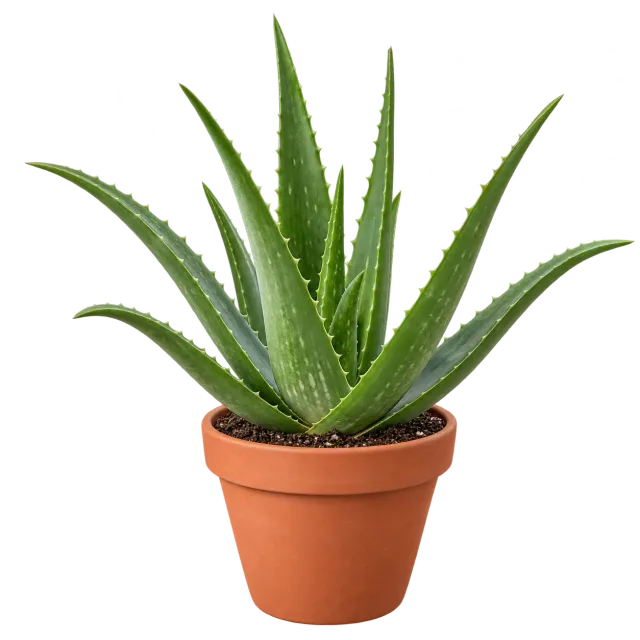
Aloe
Dogs and cats should not chew an aloe plant or whole leaf. Latex beneath the rind can cause vomiting, severe diarrhoea and lethargy. Clear inner-leaf gel is assessed separately.
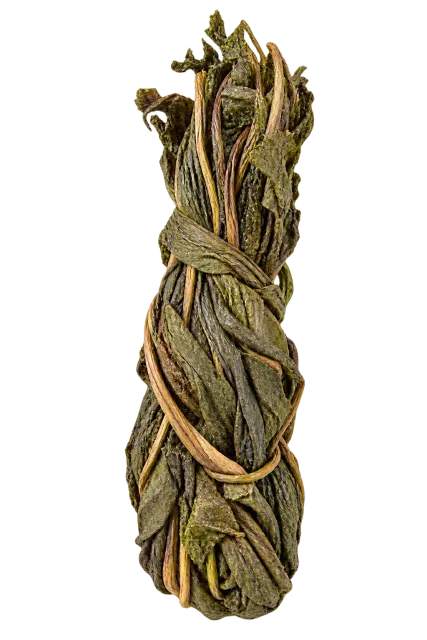
Aveluk
Aveluk made from Rumex crispus contains soluble oxalates. Do not feed it to dogs or cats. A small piece is more likely to cause digestive upset, while a large or repeated amount can damage the kidneys and disturb calcium balance.
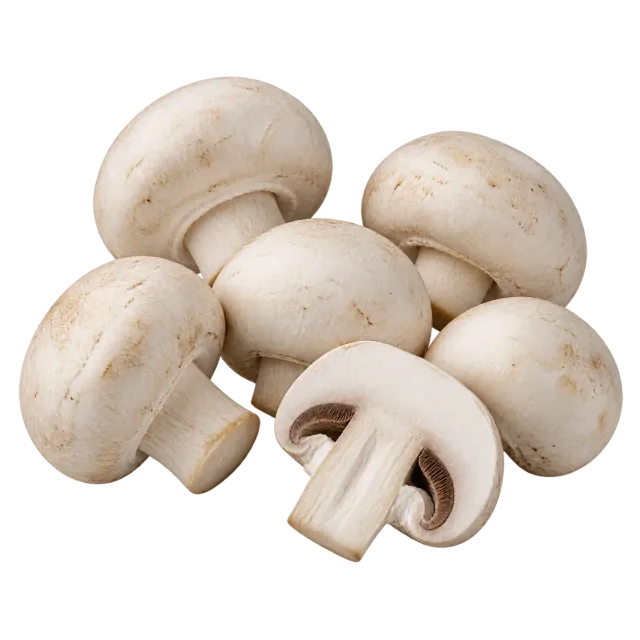
Button mushrooms
A small amount of plain, cooked store-bought button mushroom can be an occasional treat. Treat wild or unidentified mushrooms as dangerous.
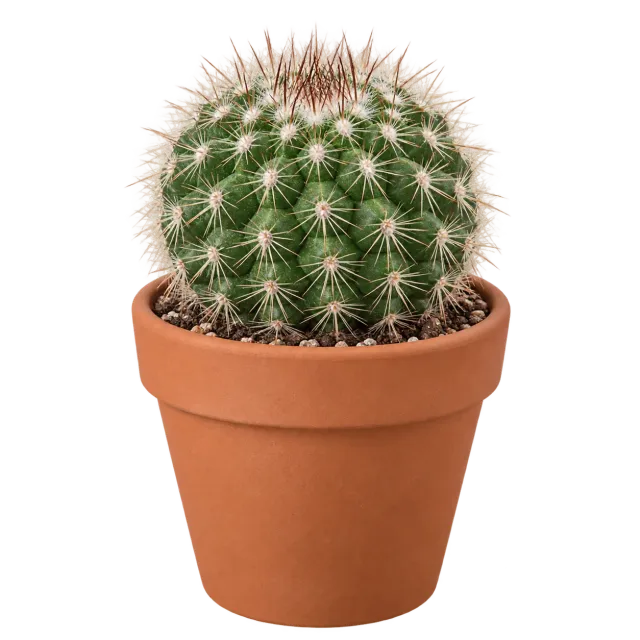
Cactus
Many true cacti are non-toxic, but spines and glochids can injure the skin, mouth and eyes. A cactus-like Euphorbia with white sap is toxic to dogs and cats.
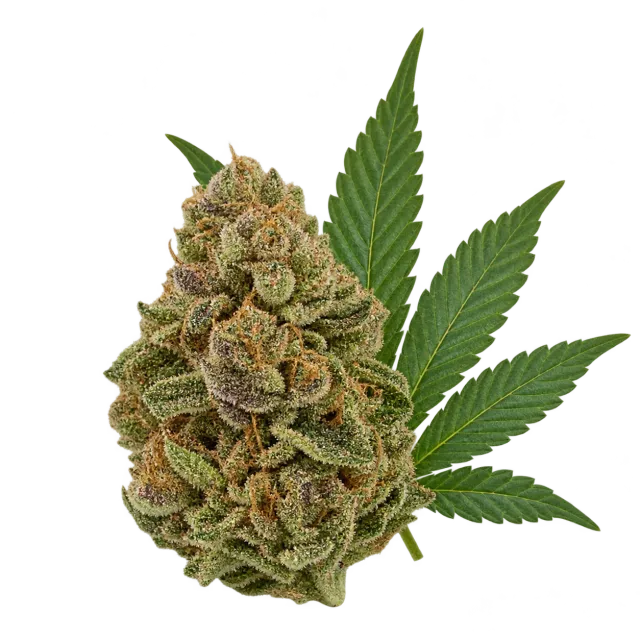
Cannabis
THC-containing cannabis is dangerous for dogs and cats. Call a veterinarian after ingestion or smoke or vapour exposure: the form, concentration, amount, pet’s weight and other ingredients all affect the risk.
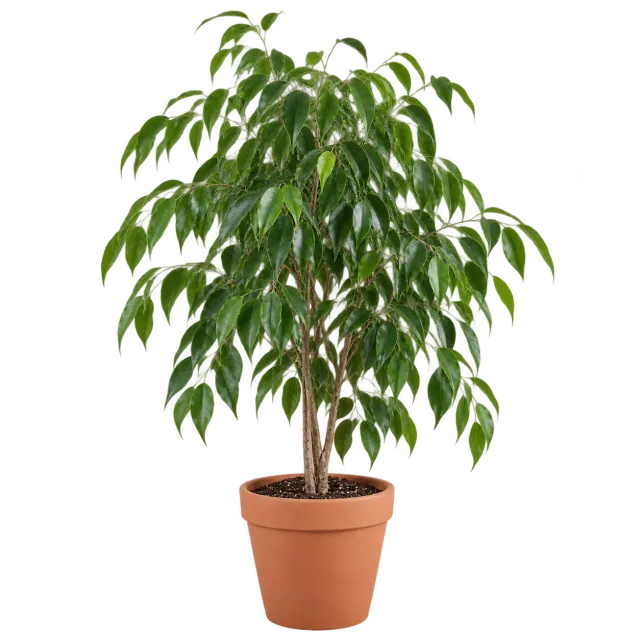
Ficus
Do not give ornamental ficus to dogs or cats. Leaves, shoots and milky sap can irritate the mouth, digestive tract and skin.

Lily
A cat needs immediate veterinary care after possible exposure to a true lily or daylily. Even pollen and vase water are hazardous. In dogs, the risk depends on the exact plant, so identify its botanical name first.
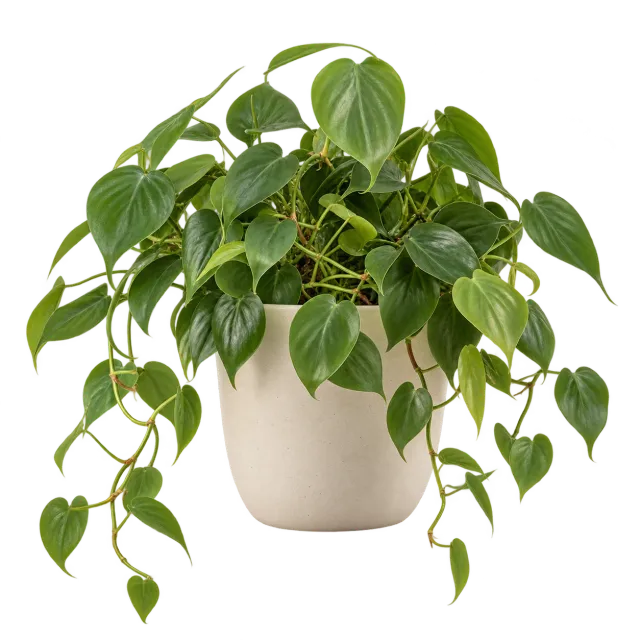
Philodendron
Do not feed philodendron to dogs or cats. Chewing its leaves, stems or other parts releases needle-shaped calcium oxalate crystals that cause pain and irritation in the mouth.
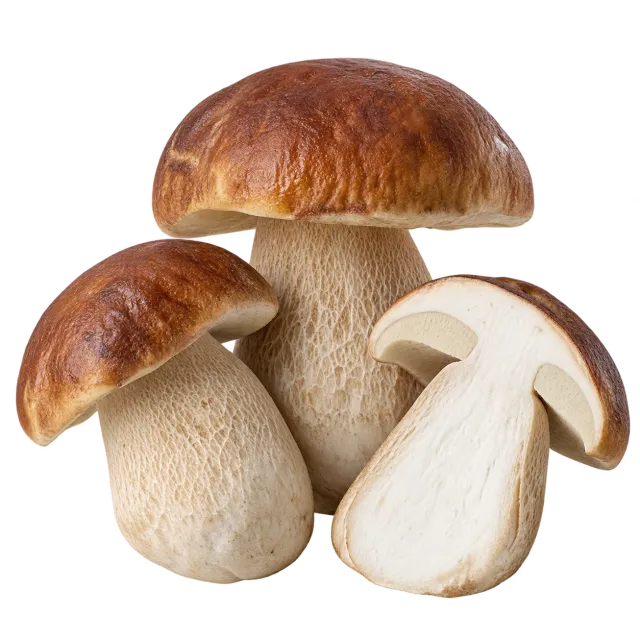
Porcini mushroom
Do not offer porcini to cats. Dogs do not need it; we rate a small piece of correctly identified, thoroughly cooked plain porcini with restrictions. Treat any mushroom found outdoors or not confidently identified as dangerous.

Tulip
Tulips are toxic to dogs and cats. Every part can cause poisoning, and the bulb contains the highest concentration of toxins.