
Already eaten — what now?
For dogs and cats
After a small amount of flesh with no symptoms, observation is enough. If your pet swallowed a pit, kernel, leaves, twigs or an unknown form, call the clinic immediately with the animal’s weight, the time and the possible amount. Repeated vomiting, refusal of food or water, abdominal pain or swelling need urgent assessment. Breathing difficulty, bright red gums, dilated pupils, tremors, seizures, sudden weakness or collapse need emergency care. Do not induce vomiting or give home remedies unless a veterinarian instructs you to.
Variants and ingredients
Fresh pitted fleshFor dogs and cats: Acceptable
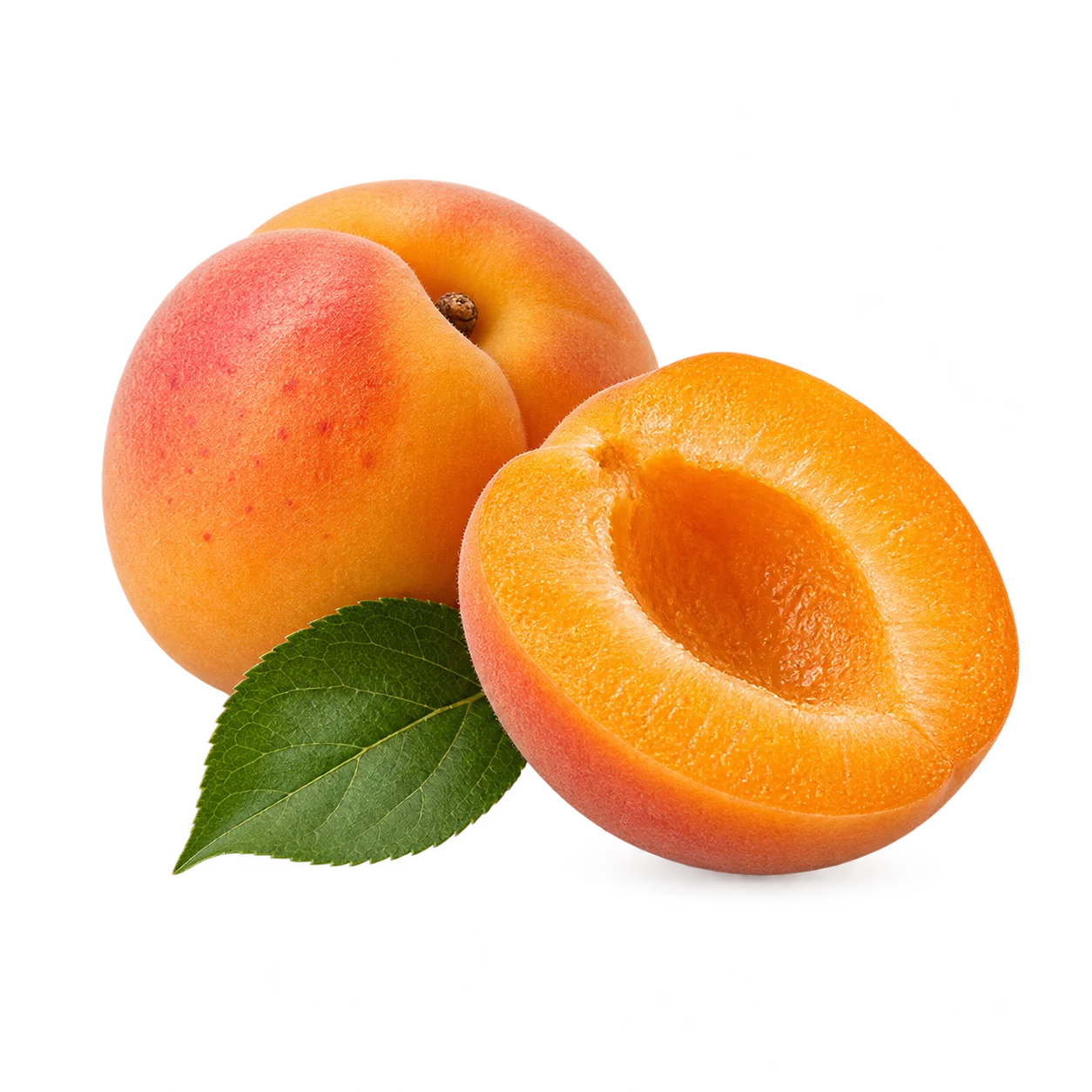
Ripe fresh apricot with the pit completely removed.
For dogs and cats
Risks
- A large serving may upset digestion and add excess calories.
Already eaten — what now?
After a small amount with no symptoms, simply observe. Call a veterinarian for repeated vomiting, diarrhoea, pain or lethargy.
For dogs
Conditions and restrictions
Remove the pit, cut the ripe flesh into small pieces and offer a small amount.
Benefits
An occasional juicy treat that does not replace regular food.
For cats
Conditions and restrictions
Remove the pit and offer only a tiny piece of ripe flesh.
Benefits
A tiny piece can be an occasional treat if your cat likes the taste. Cats have no dietary need for apricot.
Pitted dried apricotFor dogs and cats: With restrictions
Dried flesh with no pit or other ingredients.
For dogs and cats
Risks
- Dried fruit is easy to overfeed; a large serving may upset digestion and add a lot of sugar and calories.
Already eaten — what now?
After a small piece of plain pitted dried apricot, observation is enough. If it contained a pit, chocolate, an unknown sweetener or other ingredients, keep the package and call a veterinarian.
For dogs
Conditions and restrictions
Offer only soft, pitted dried apricot with no added sugar, chocolate, sweeteners or other ingredients. Give a small piece and count its calories.
Benefits
It can be an occasional treat, but it offers no needed benefit beyond a complete diet.
For cats
Conditions and restrictions
Offer only a tiny piece of soft, pitted dried apricot with no added sugar, chocolate, sweeteners or other ingredients.
Benefits
There is no special benefit for a cat. If your cat likes it, offer only a tiny piece.
Whole or chewed pitFor dogs and cats: Dangerous · Urgent help needed
The hard fruit stone containing the kernel.
For dogs and cats
Conditions and restrictions
Do not offer the pit or leave it within reach. Even an intact pit is a foreign object.
Benefits
There is no benefit for a pet.
Risks
- The pit can lodge in the oesophagus, stomach or intestine, causing choking, obstruction and tissue damage.
- If the pit was cracked or chewed, the kernel can release cyanide.
Already eaten — what now?
Call the clinic immediately even if there are no symptoms yet. Report your pet’s weight, the size and number of pits, the time and whether a pit was chewed. Do not feed food to “push it through” or induce vomiting unless a veterinarian instructs you to. Vomiting, refusal of food or water, a painful or swollen abdomen, weakness and breathing trouble need emergency assessment.
Apricot kernelFor dogs and cats: Dangerous · Especially dangerous
A shelled, bitter, ground or chewed kernel from inside the pit.
For dogs and cats
Conditions and restrictions
Do not offer shelled, bitter, ground or chewed apricot kernels.
Benefits
There is no benefit for a pet. Kernels are not a supplement or home remedy.
Risks
- Kernels contain cyanogenic glycosides. Damage to the kernel can release cyanide quickly and prevent tissues from using oxygen.
- Sudden vomiting, breathing difficulty, bright red gums, dilated pupils, tremors, seizures, collapse and death are possible.
Already eaten — what now?
Contact the clinic immediately and travel as instructed. Do not wait for symptoms because they can begin quickly. Bring the remaining product or package. Do not induce vomiting or give charcoal or other remedies unless a veterinarian tells you to.
Leaves, stems and twigsFor dogs and cats: Dangerous · Urgent help needed
Fresh or wilted parts of the apricot tree.
For dogs and cats
Conditions and restrictions
Do not allow pets to chew apricot leaves, stems or twigs. Wilted plant material is especially hazardous.
Benefits
There is no benefit for a pet.
Risks
- Leaves and stems contain cyanogenic compounds. Breathing difficulty, dilated pupils, bright red gums, tremors, seizures, shock and collapse are possible.
Already eaten — what now?
Remove the remaining material and call the clinic immediately with your pet’s weight, the part eaten, the time and the possible amount. Breathing trouble, tremors, seizures, sudden weakness or collapse need emergency care. Do not induce vomiting unless a veterinarian tells you to.
Conditions and risks
For dogs and cats
Risks
- A large serving of flesh may cause vomiting or diarrhoea.
- The pit can cause choking or intestinal obstruction; a chewed kernel and plant material add a risk of cyanide poisoning.
For dogs
Conditions and restrictions
Offer only ripe fresh flesh with the pit removed, in small pieces and a small amount. All treats together should stay within 10% of daily calories. Ask your veterinarian first if your dog has a prescribed diet, diabetes, excess weight or a sensitive stomach.
Benefits
A small piece can be a juicy treat, but it is not needed as a separate part of a balanced diet.
For cats
Conditions and restrictions
Offer only a tiny piece of ripe fresh flesh with the pit removed. Do not coax your cat to eat fruit. Ask your veterinarian first if your cat has a prescribed diet, diabetes, excess weight or a sensitive stomach.
Benefits
Apricot has no special benefit for a cat. If your cat likes the taste, a tiny piece can be an occasional treat.
The overall rating is yellow because the answer depends on the part of the fruit. Ripe flesh with the pit removed is suitable as an occasional treat. A whole pit can lodge in the digestive tract, while a chewed kernel can release cyanide. Leaves and stems also contain cyanogenic compounds.
Sources
- ASPCA Animal Poison Control: Apricot (Prunus armeniaca)
- FDA: Potentially Dangerous Items for Your Pet
- Merck Veterinary Manual: Cyanide Poisoning in Animals
- Merck Veterinary Manual: Houseplants and Ornamentals Toxic to Animals
- Pet Poison Helpline: Apricot
- AAHA: Prevention of Obesity
- WSAVA Nutrition Committee: Feeding Treats to Your Dog
- WSAVA Global Nutrition Committee: Frequently Asked Questions and Myths
Comments
No comments yet.