
Household substances
Food, plants, medicines and household substances: a safety guide for dogs and cats.
Understanding the assessments
The colour indicates acceptability under the conditions described. Benefits, restrictions and actions after ingestion are explained separately for each animal.
Results: 7
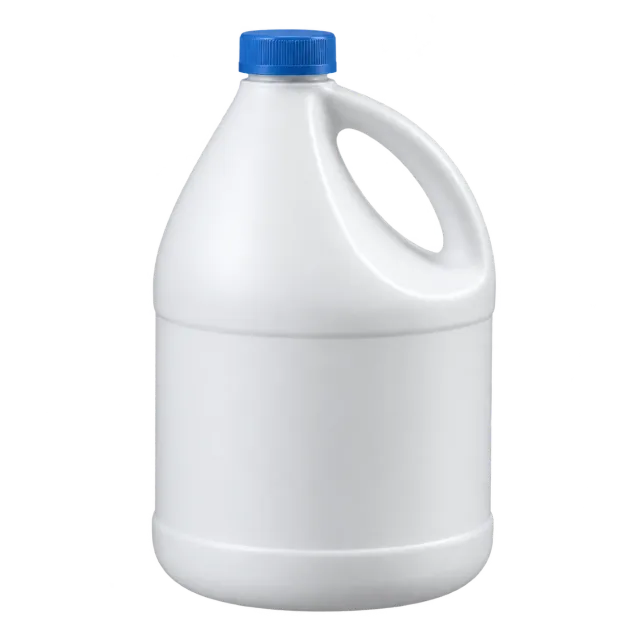
Chlorine bleach
Do not give chlorine bleach to a dog or cat. Diluted household solution more often causes irritation, while concentrates, dry chlorine products and fumes from mixing can burn tissue and injure the lungs.
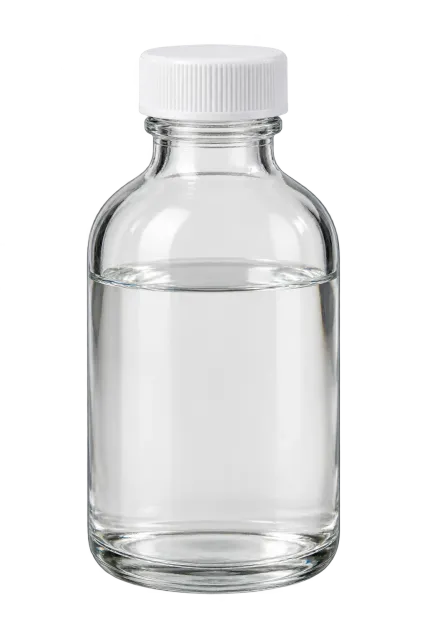
Ethyl alcohol (ethanol)
Do not give ethyl alcohol to dogs or cats. It is absorbed quickly and can depress consciousness, lower body temperature and blood glucose, cause seizures and impair breathing. Call the clinic immediately after ingestion.
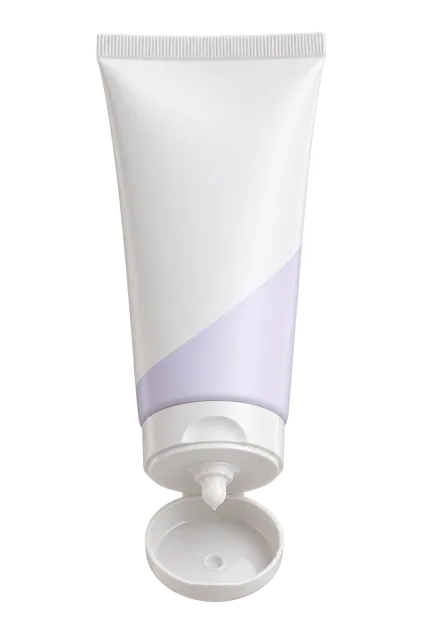
Hand cream
Do not offer ordinary non-medicated hand cream to a dog or cat. One small accidental lick usually causes no more than mild stomach upset. A larger amount, swallowed packaging or a hazardous ingredient changes the urgency.
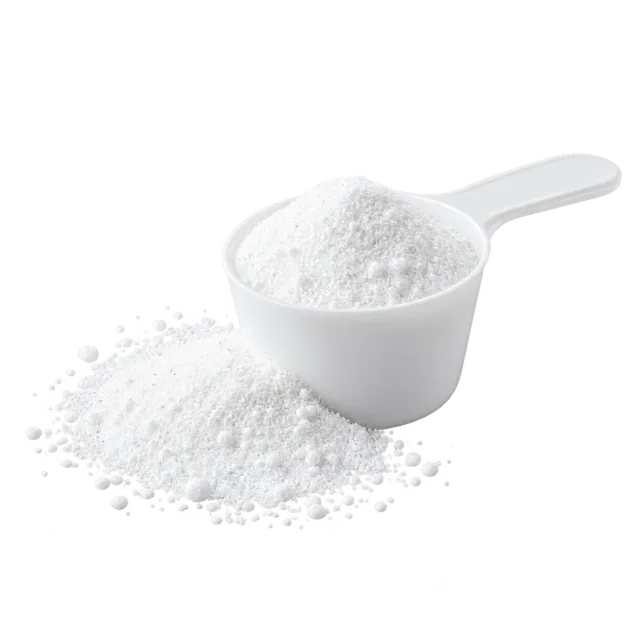
Laundry detergent powder
Do not give laundry detergent powder to a dog or cat. Even an ordinary powder can irritate the mouth and stomach, and foam or vomit may enter the airways. A product containing bleach or disinfectant needs a more urgent assessment.
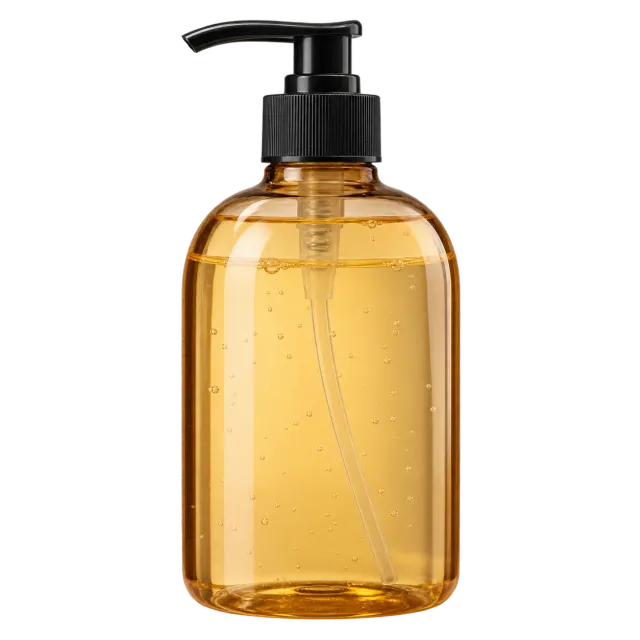
Liquid soap
Do not let a dog or cat ingest liquid soap. Ordinary soap usually irritates the mouth and stomach, while an antibacterial formula with cationic surfactants can cause painful chemical injury to mucous membranes.
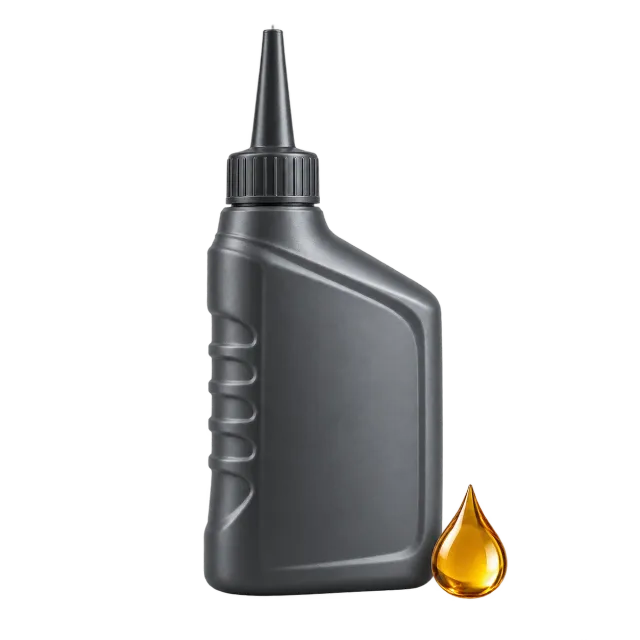
Machine oil
Do not give machine oil to a dog or cat. A single small lick of fresh oil is more likely to cause stomach irritation, but oil can enter the lungs during vomiting. Used or contaminated oil needs a more urgent assessment.
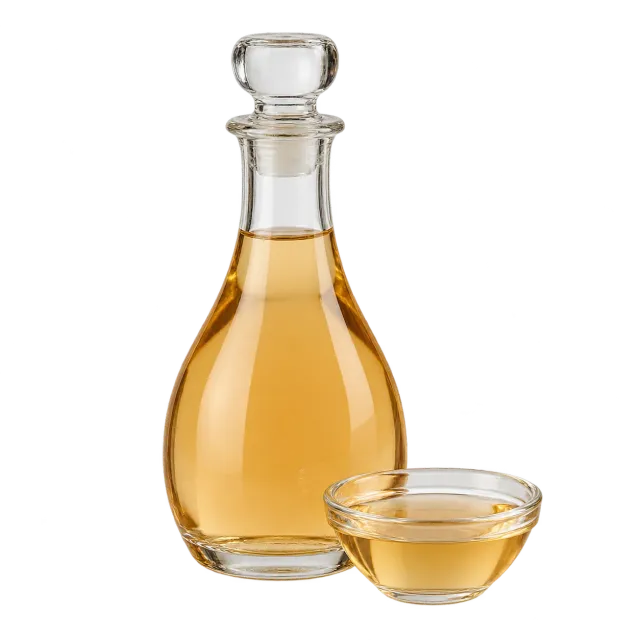
Vinegar
Dogs and cats do not need culinary vinegar as a supplement. A small amount in prepared food is usually acceptable, but plain vinegar can irritate the mouth and stomach, while vinegar essence can cause chemical burns.