
Already eaten — what now?
For dogs and cats
If your pet ate a few plain Ribes berries and seems well, observe and leave water available. Call a veterinarian for repeated vomiting, marked diarrhoea, pain, weakness or an allergic reaction. If the package said Zante currants, or you are unsure this was a true currant, treat the exposure as raisins and call straight away.
Variants and ingredients
Fresh or frozen Ribes berriesFor dogs and cats: Acceptable
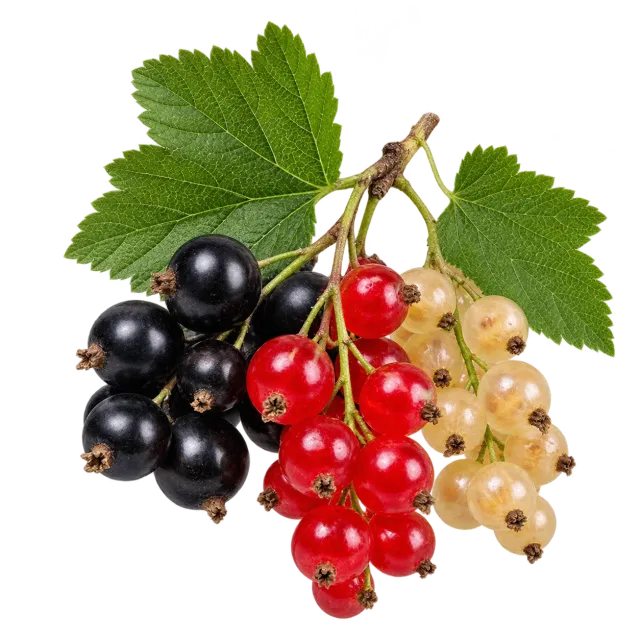
Ripe black, red or white currants with no sugar or other ingredients.
For dogs and cats
Conditions and restrictions
You may offer a few washed ripe berries with no stems, sugar or other additions. Start with one berry, and keep all treats together as a small part of the diet. Do not feed mouldy or fermented fruit.
Benefits
Currants provide fibre and plant compounds, but a pet does not need them as a vitamin source: a complete diet already covers nutritional needs.
Risks
- A large amount of acidic fruit and fibre may cause vomiting, soft stool or diarrhoea.
- A new food may not suit an individual pet; ask the veterinarian before adding berries to a therapeutic diet.
Already eaten — what now?
If your pet ate a few plain Ribes berries and seems well, observe and leave water available. Call a veterinarian for repeated vomiting, marked diarrhoea, pain, weakness or an allergic reaction. If the package said Zante currants, or you are unsure this was a true currant, treat the exposure as raisins and call straight away.
Jam, syrup or sweetened puréeFor dogs and cats: With restrictions
Currants with sugar or other ingredients in a homemade or packaged product.
For dogs and cats
Conditions and restrictions
Do not offer jam, syrup or sweetened purée regularly. Check every ingredient: this assessment applies only when there are no grapes, raisins, xylitol, chocolate, alcohol or other hazardous additions.
Benefits
A sweetened currant product offers no needed nutritional benefit. One or two plain fresh berries are a better treat.
Risks
- Sugar and concentrated fruit may cause digestive upset and add unnecessary calories.
- Even a small serving may be unsuitable with diabetes, obesity, pancreatitis or a therapeutic diet.
Already eaten — what now?
Keep the package and check the ingredients. After a small amount containing only currants and sugar, observe your pet. Call a veterinarian for an unknown recipe, a large amount, vomiting, diarrhoea, pain or weakness. Call straight away if it contains xylitol, grapes, raisins, chocolate or alcohol.
Zante or Corinth currantsFor dogs and cats: Dangerous · Urgent help needed
Small dried grapes labelled as currants in English; these are not Ribes berries.
For dogs and cats
Conditions and restrictions
Do not feed Zante currants, Corinth currants or dried grapes. If a label says only currants, identify the botanical species or full ingredients first.
Benefits
There is no benefit that justifies the risk of feeding Zante currants.
Risks
- Zante currants are dried Vitis grapes and can cause acute kidney injury in dogs; no reliably safe portion has been established.
- Evidence in cats is more limited, but grapes and raisins are not treated as safe for them either.
Already eaten — what now?
Remove the rest and call a veterinarian straight away even if your pet seems well. Give the species, weight, exact product name, possible amount and time, and keep the package. Do not induce vomiting yourself. Vomiting, loss of appetite, weakness, marked thirst or changes in urination need urgent examination.
Conditions and risks
For dogs and cats
Conditions and restrictions
You may offer a few washed ripe berries with no stems, sugar or other additions. Start with one berry, and keep all treats together as a small part of the diet. Do not feed mouldy or fermented fruit.
Benefits
Currants provide fibre and plant compounds, but a pet does not need them as a vitamin source: a complete diet already covers nutritional needs.
Risks
- A large amount of acidic fruit and fibre may cause vomiting, soft stool or diarrhoea.
- A new food may not suit an individual pet; ask the veterinarian before adding berries to a therapeutic diet.
This card covers edible Ribes berries: blackcurrants, redcurrants and white currants. Gooseberries and jostaberries also belong to Ribes, but are not assessed here as separate foods. Leaves, buds, tinctures and concentrated supplements are outside this card.
A Zante currant should be assessed as a raisin, not as a true currant. Fresh grapes and their dried forms can injure a dog's kidneys.
Sources
- Helsenorge / Giftinformasjonen: Ribes berries are not toxic to dogs or cats
- Merck Veterinary Manual: Grape, Raisin, and Tamarind Toxicosis in Dogs
- Pet Poison Helpline: Currants
- Dijkman et al. (2022): Vitis fruit-induced clinical signs and acute kidney injury in dogs and cats
- Corbee (2022): Blackcurrant leaf extract in a supplement for dogs and cats with osteoarthritis
- WSAVA Global Nutrition Committee: Frequently Asked Questions and Myths
Comments
No comments yet.