
Already eaten — what now?
For dogs and cats
If your pet swallowed a piece of cob, or you are unsure whether they ate only kernels, call a veterinarian straight away. Do not induce vomiting yourself. After a little plain cooked corn with no symptoms, observation is reasonable. Repeated vomiting, pain, marked lethargy or breathing problems need urgent care.
Variants and ingredients
Plain cooked kernelsFor dogs and cats: Acceptable
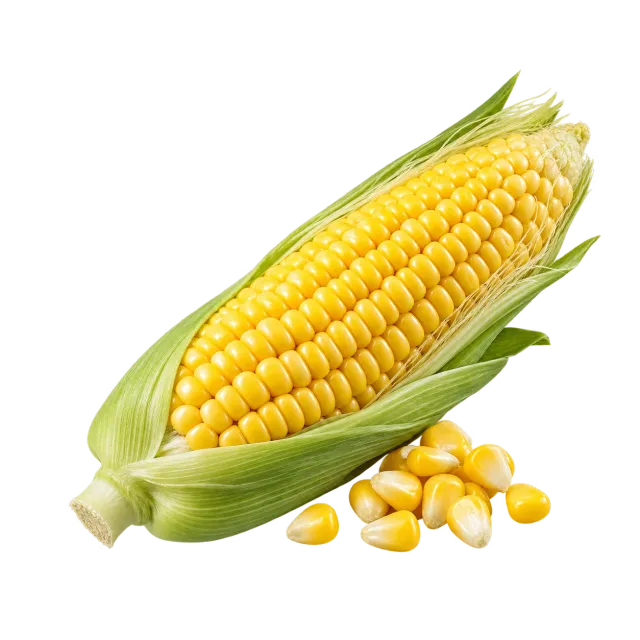
Soft boiled kernels, including cooked frozen corn. Canned corn fits this variant only if the ingredients are corn and water, with no salt, sugar or other additions, and the liquid has been drained.
For dogs and cats
Conditions and restrictions
Offer a little soft, cooked corn removed from the cob, with no salt, butter, oil or seasoning. Mash it for pets that swallow without chewing. All treats combined should provide less than 10% of daily calories. Ask your veterinarian first if your pet has a prescribed diet or has reacted to corn before.
Benefits
An optional small treat. Corn does not need to be added to a complete diet for health benefits.
Risks
- A large serving of unfamiliar food may upset the gut; regular extra calories can lead to weight gain.
Already eaten — what now?
After a little plain corn, observe your pet if they seem normal. Call your veterinarian for vomiting, diarrhoea or reduced appetite. Repeated vomiting, abdominal pain, marked lethargy or breathing difficulty need urgent care.
Whole cob or cob piecesFor dogs and cats: Dangerous · Urgent help needed
Raw or cooked cobs, with kernels still attached or already stripped. Cooking does not remove the obstruction risk.
For dogs and cats
Conditions and restrictions
Do not let your pet chew a cob or eat from one held in your hand. Put discarded cobs straight into an inaccessible bin.
Benefits
No benefit as a treat or chew toy.
Risks
- A piece may lodge and damage the intestine; surgery may be needed.
Already eaten — what now?
Call a veterinarian straight away and describe when and how much cob may have been swallowed. Do not wait for symptoms or for it to pass in the stool. Do not induce vomiting yourself or give oil or laxatives. For choking, repeated vomiting, pain or sudden weakness, go to an open veterinary clinic immediately.
Salted or buttered kernelsFor dogs and cats: With restrictions
Salted cooked or canned corn, or kernels with butter or oil. Brine and dishes with other ingredients need a separate assessment.
For dogs and cats
Conditions and restrictions
Do not deliberately offer it. This variant covers kernels with salt, butter or oil, without onion, garlic, sweeteners or other ingredients. A mixed dish needs its full ingredient list assessed; the word corn alone is not enough.
Benefits
No advantage over plain kernels.
Already eaten — what now?
After a few kernels with a little salt or fat, no other additions and no symptoms, observe and leave water available. Call a veterinarian if a large amount was eaten, canning liquid was drunk or the ingredients are unknown. Seek urgent advice for vomiting, pain, intense thirst, weakness or unsteady walking. Do not force water or induce vomiting.
For dogs
Risks
- Extra salt and fat can cause digestive upset; a large amount of salt is dangerous.
- Fatty food can trigger pancreatitis in dogs, especially those predisposed to it.
For cats
Risks
- Extra salt and fat can cause digestive upset; a large amount of salt is dangerous.
In complete pet foodFor dogs and cats: Acceptable
Processed corn as an ingredient in food appropriate for the animal’s species and life stage.
For dogs and cats
Conditions and restrictions
Choose a complete food suited to your pet’s species, life stage and health, and follow the feeding amount. Corn on the ingredient list does not determine food quality on its own. Select prescribed or elimination diets with your veterinarian.
Benefits
Processed corn starch can supply energy to both dogs and cats.
Risks
- Overfeeding adds excess calories; a particular formula may be unsuitable for a food reaction or prescribed diet.
Already eaten — what now?
No special action is needed after a normal serving of familiar, suitable food. Discuss vomiting, diarrhoea or other changes in health with your veterinarian.
Conditions and risks
For dogs and cats
Conditions and restrictions
Check the form first: only a small serving of soft, cooked kernels is suitable. Keep cobs and scraps out of reach. Do not offer salted or buttered corn as a treat.
Benefits
An optional small treat. Corn does not need to be added to a complete diet for health benefits.
Risks
- A swallowed cob can cause intestinal obstruction.
- Portion size and added ingredients change the risk.
This card covers food corn (Zea mays). The yellow rating calls for checking its form and ingredients. It does not apply to the cob. Popcorn, corn puffs, chips, breakfast flakes and corn oil as a separate product are outside this card’s scope.
Studies of processed corn in prepared diets show that dogs and cats can digest its starch. Those findings do not describe digestion of whole cobs. A diet needs to be assessed as a whole; our guide explains how to choose food for your dog or cat.
If your pet drank salty canning liquid, the amount and ingredients matter. Our salt card explains what to do after this type of exposure.
Sources
- Pet Poison Helpline: Memorial Day Cookout Toxicities
- Cats Protection: Cats and Human Foods
- Cornell University: Gastrointestinal foreign body obstruction in dogs
- American College of Veterinary Surgeons: Gastrointestinal Foreign Bodies
- de-Oliveira et al., 2008: Effects of six carbohydrate sources on diet digestibility and postprandial glucose and insulin responses in cats
- Corn hybrid affects in vitro and in vivo measures of nutrient digestibility in dogs, 2004
- WSAVA: Feeding treats to your dog
- WSAVA: Feeding treats to your cat
- Merck Veterinary Manual: Salt Toxicosis in Animals
- Pet Poison Helpline: Table Food Dogs Should Not Eat
- ASPCA: Is It Ever Safe to Induce Vomiting?
- Pet Poison Helpline: Pet Poison First Aid Misconceptions
Comments
No comments yet.