
Already eaten — what now?
For dogs and cats
If your pet drank a little and seems well, remove the milk and leave water available. Contact a vet for repeated vomiting, severe diarrhoea, pain or lethargy. Do not try to treat the upset with more milk.
Variants and ingredients
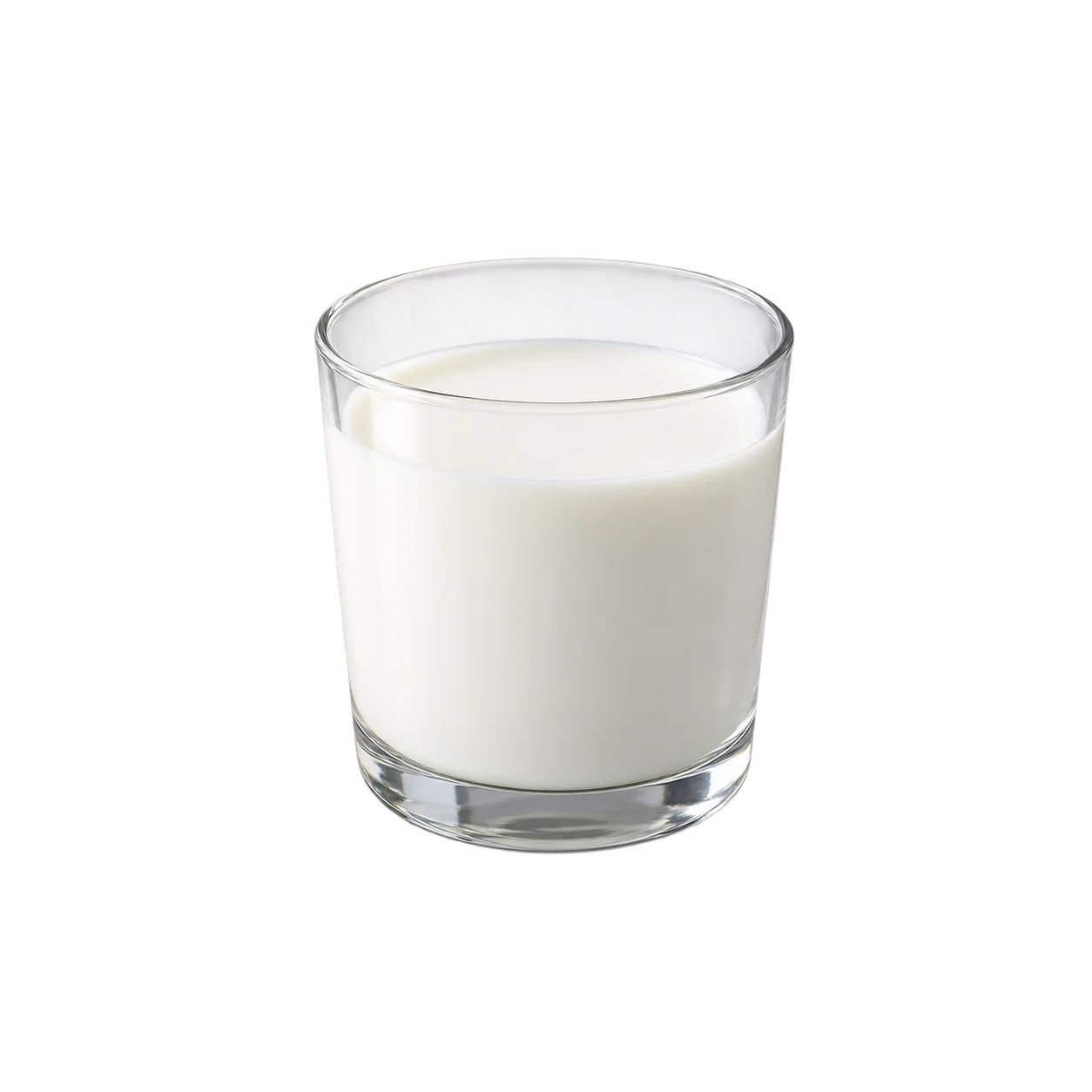
Plain pasteurisedFor dogs and cats: With restrictions
Pasteurisation reduces infectious risk but does not remove lactose.
For dogs and cats
Conditions and restrictions
Best avoided; do not replace water.
Benefits
A complete diet does not need milk added for nutrients.
Risks
- Lactose may cause gas, abdominal pain and diarrhoea; milk adds calories.
Already eaten — what now?
After a small accidental amount without symptoms, observe; contact a vet if your pet becomes unwell.
Lactose-free pasteurisedFor dogs and cats: With restrictions
The lactose-related risk is lower; milk still does not become a necessary food.
For dogs and cats
Conditions and restrictions
Only plain recipes; not a daily drink.
Benefits
A complete diet does not need milk added for nutrients.
Risks
- Calories and fat remain; individual intolerance is possible.
Already eaten — what now?
After a small accidental amount without symptoms, observe; contact a vet if your pet becomes unwell.
Raw, unpasteurisedFor dogs and cats: Dangerous
Do not feed because of infectious pathogens. Red does not mean every sip requires an emergency journey.
For dogs and cats
Conditions and restrictions
Do not offer even fresh farm milk.
Benefits
A complete diet does not need milk added for nutrients.
Risks
- Infectious risks, including H5N1 in contaminated milk; cats are particularly susceptible. Lactose also remains.
Already eaten — what now?
Prevent further access. Call a vet for a known contaminated batch or illness and mention the raw milk. Breathing difficulty, seizures or collapse need immediate help.
Conditions and risks
For dogs and cats
Benefits
A complete diet does not need milk added for nutrients.
Risks
- Lactose may cause gas, abdominal pain and diarrhoea; milk adds calories.
For dogs
Conditions and restrictions
Do not offer it regularly. Dogs vary in tolerance; there is no need to test it deliberately. Offer water to drink.
For cats
Conditions and restrictions
Do not give it as a daily drink. Many cats digest lactose poorly. Cow’s milk does not replace a kitten’s mother’s milk or an appropriate milk replacer.
The main rating covers plain pasteurised cow’s milk. Yellow here means it is best avoided. Pets eating a complete diet do not need milk, and it does not replace drinking water. Raw milk has a separate red rating.
Comments
No comments yet.