
What can they eat?
Food, plants, medicines and household substances: a safety guide for dogs and cats.
Understanding the assessments
The colour indicates acceptability under the conditions described. Benefits, restrictions and actions after ingestion are explained separately for each animal.
Results: 138
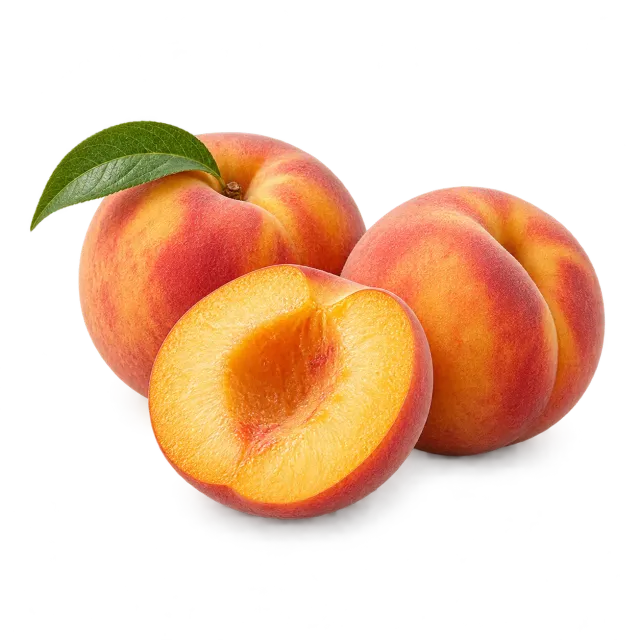
Peach
Dogs and cats may have a little ripe peach flesh with the pit removed. The pit can cause an obstruction, while a damaged kernel, leaves and twigs are hazardous because of cyanogenic compounds.
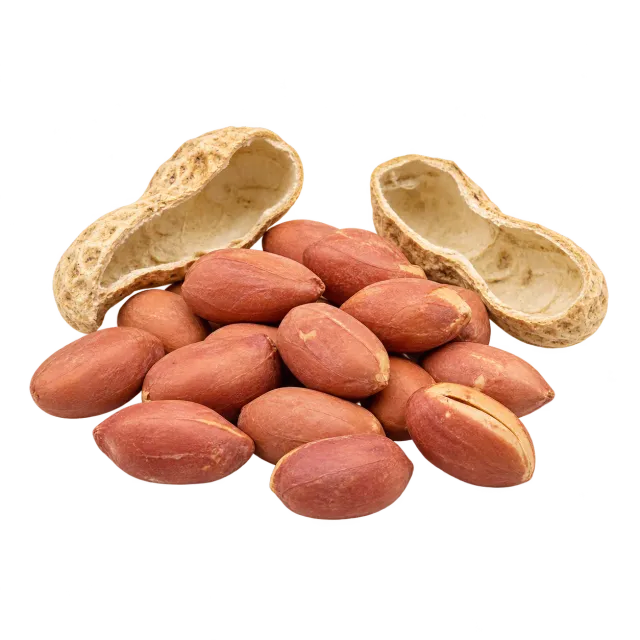
Peanuts
Dogs and cats may occasionally have a small amount of shelled, unsalted peanuts. Keep the portion small because peanuts are high in fat and calories. Do not offer the shells, and always check peanut butter for xylitol and other hazardous ingredients.
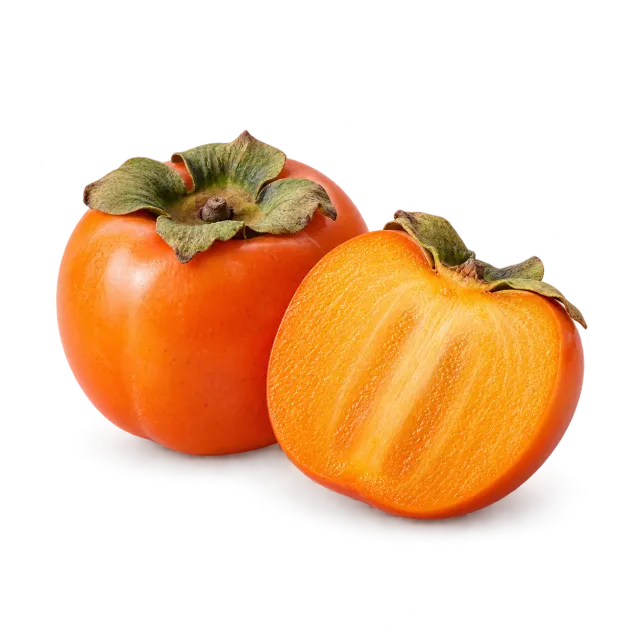
Persimmon
A small piece of fully ripe flesh with the skin and seeds removed can be an occasional treat. A whole fruit, seeds or large pieces can lodge in the digestive tract.
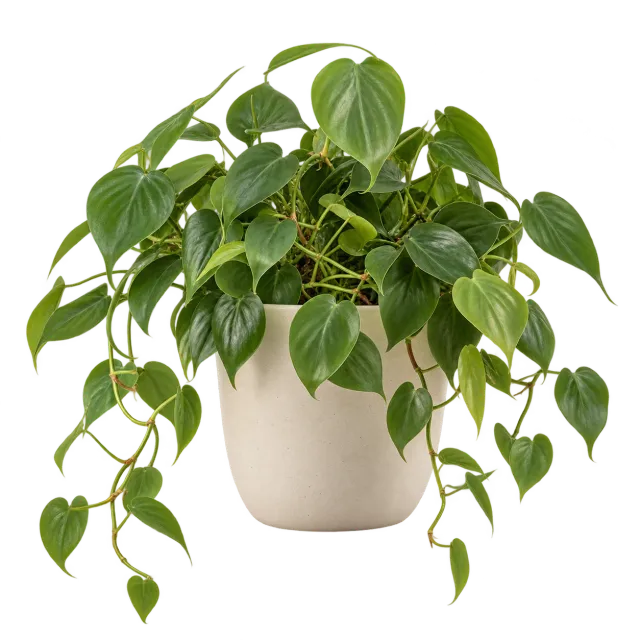
Philodendron
Do not feed philodendron to dogs or cats. Chewing its leaves, stems or other parts releases needle-shaped calcium oxalate crystals that cause pain and irritation in the mouth.
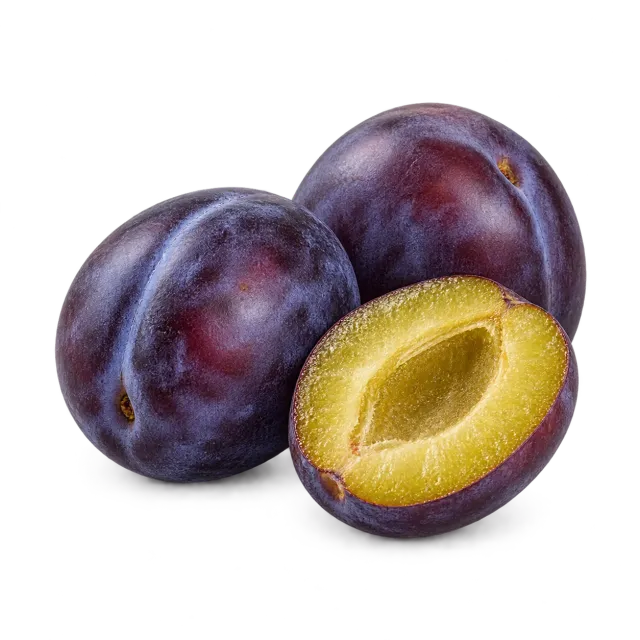
Plums
A small amount of ripe flesh with the pit removed can be an occasional treat. Do not offer the pit, kernel, leaves or twigs.
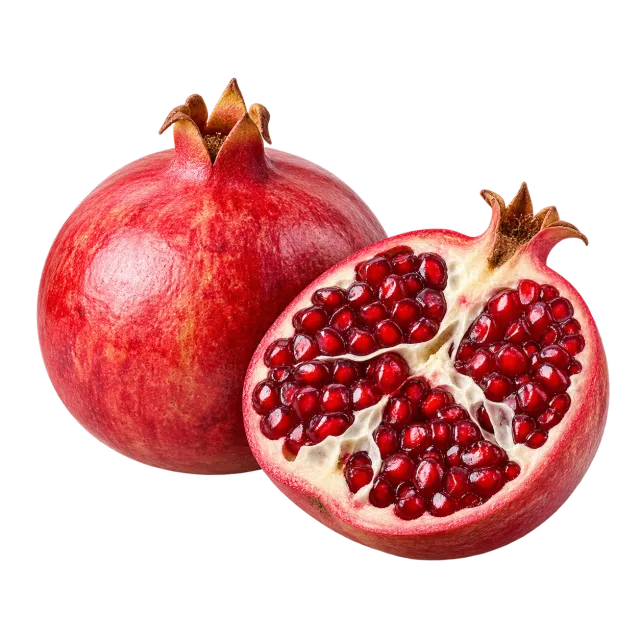
Pomegranate
Pomegranate is not a recognised classic poison for dogs or cats, but it is a poor routine treat. A few peeled arils usually call for observation; rind and products with added ingredients need separate assessment.
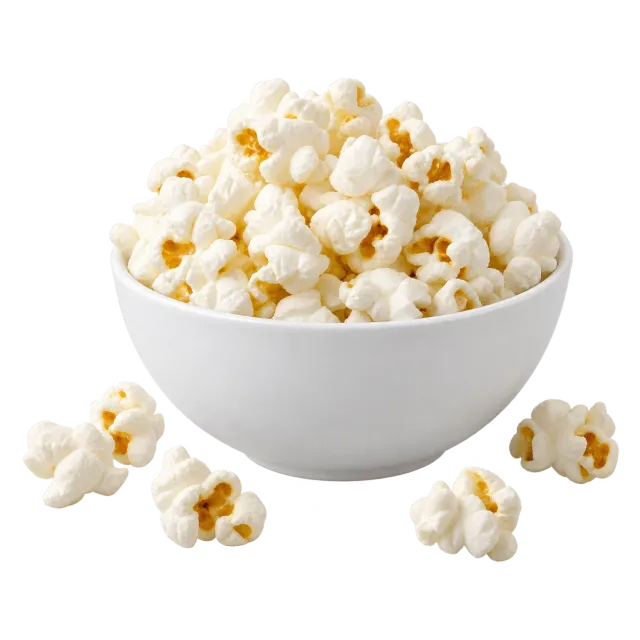
Popcorn
Dogs and cats may have a few pieces of plain air-popped popcorn with no salt, fat or seasoning. Check every ingredient in a prepared mix: chocolate and onion or garlic powder are dangerous.
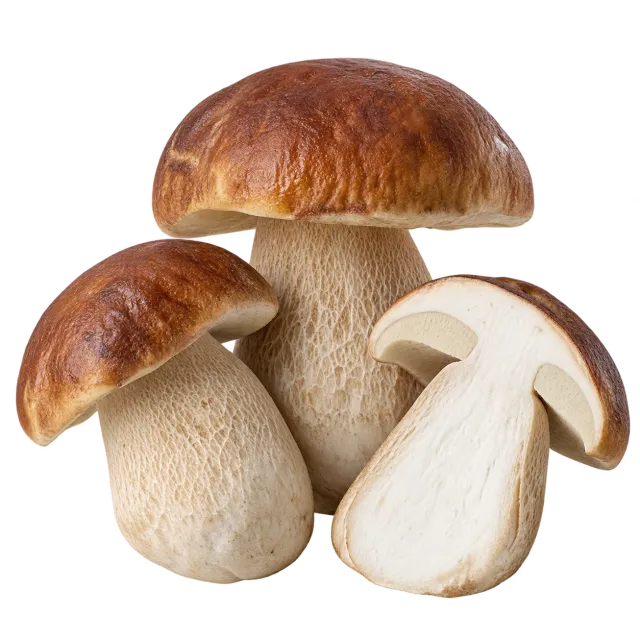
Porcini mushroom
Do not offer porcini to cats. Dogs do not need it; we rate a small piece of correctly identified, thoroughly cooked plain porcini with restrictions. Treat any mushroom found outdoors or not confidently identified as dangerous.
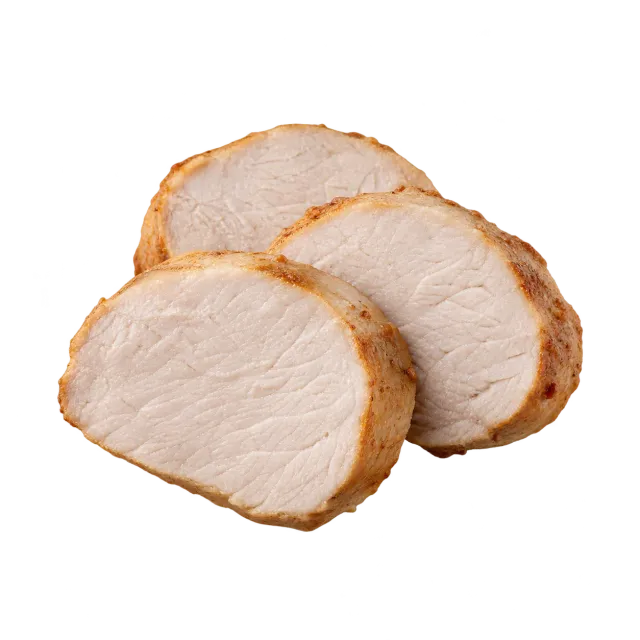
Pork
Dogs and cats may occasionally have a small piece of thoroughly cooked lean pork with no bone, salt or seasoning. Raw or undercooked pork, fatty and processed products, and pork bones are unsafe choices.
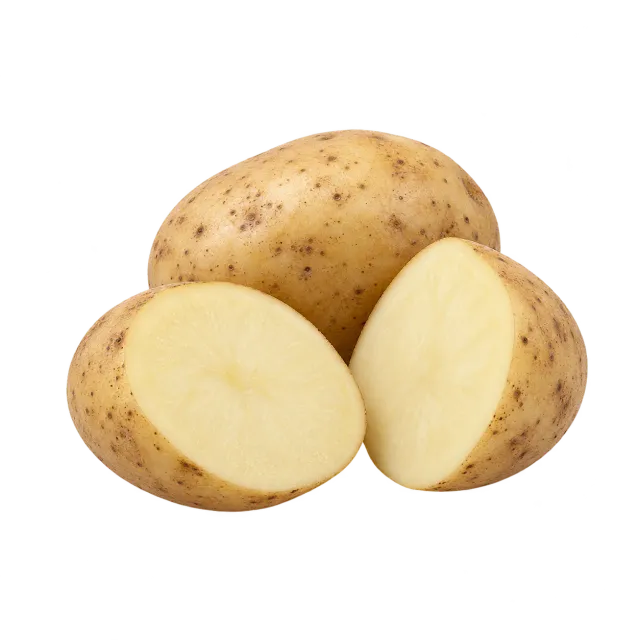
Potato
A small amount of peeled potato cooked without salt, fat or seasoning can be an occasional treat for a dog or cat. Raw, green or sprouted potatoes and the plant itself are dangerous.
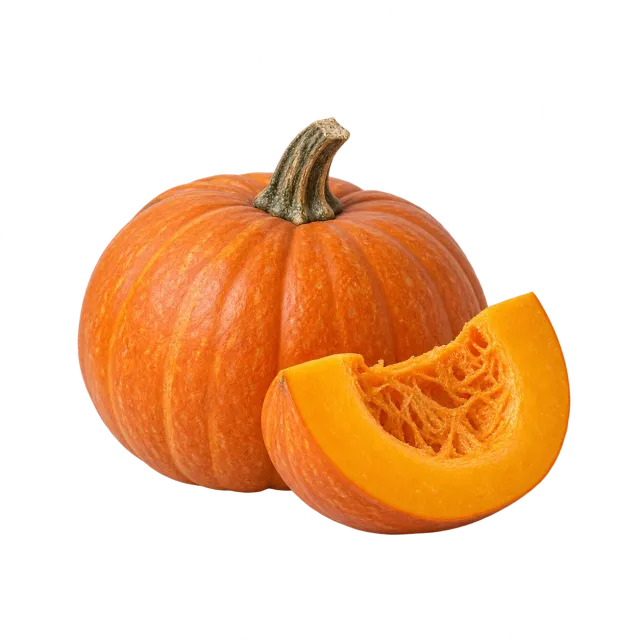
Pumpkin
Dogs and cats can have a little cooked pumpkin flesh without additions. Remove the rind, stem and seeds. Pumpkin does not replace treatment for constipation or diarrhoea; filled dishes need an ingredient check.
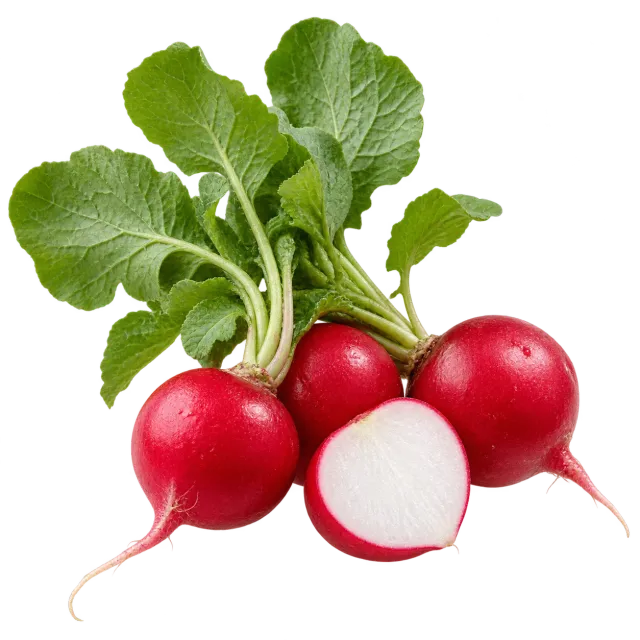
Radish
Dogs and cats should have only a little plain radish cut into small pieces. A whole root can lodge in the throat or gut, and pickles or salads must be checked for onion, garlic and salt.
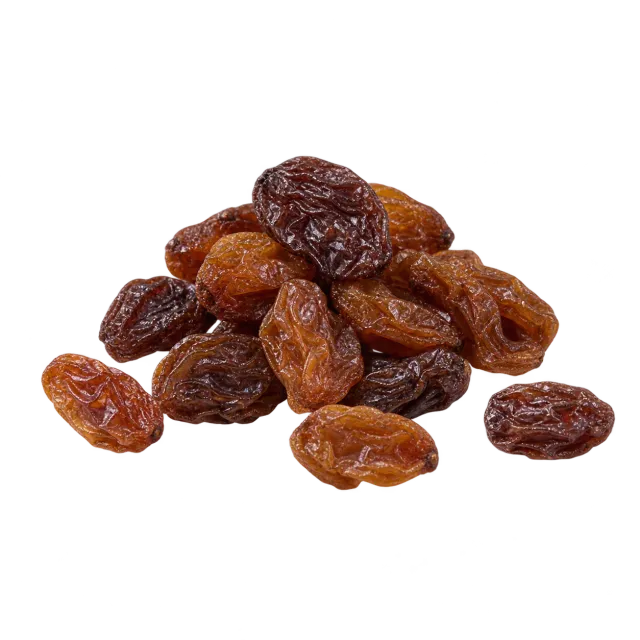
Raisins
Do not give raisins to dogs or cats. They can damage dogs’ kidneys and are also treated as potentially dangerous to cats, although published evidence in cats is more limited. If your pet ate raisins, call a veterinarian straight away.
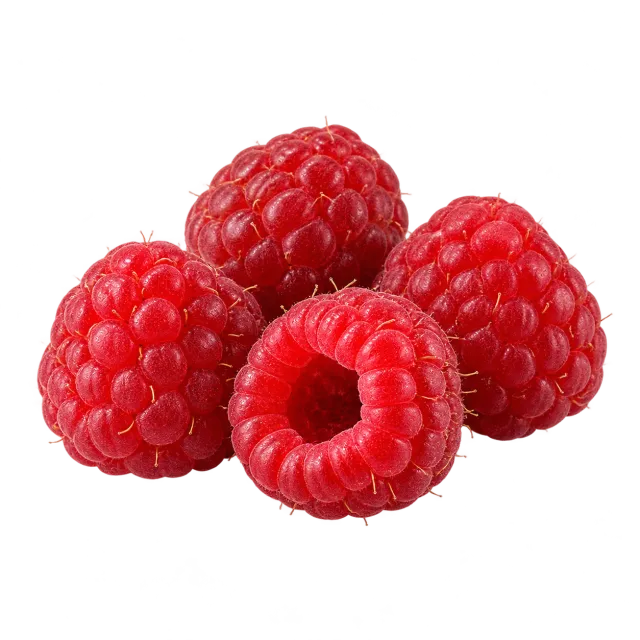
Raspberries
Dogs and cats may have a little ripe raspberry with no additions. Wash and mash the berries; thaw frozen ones first. Jam needs a separate assessment, and added xylitol is dangerous for dogs.
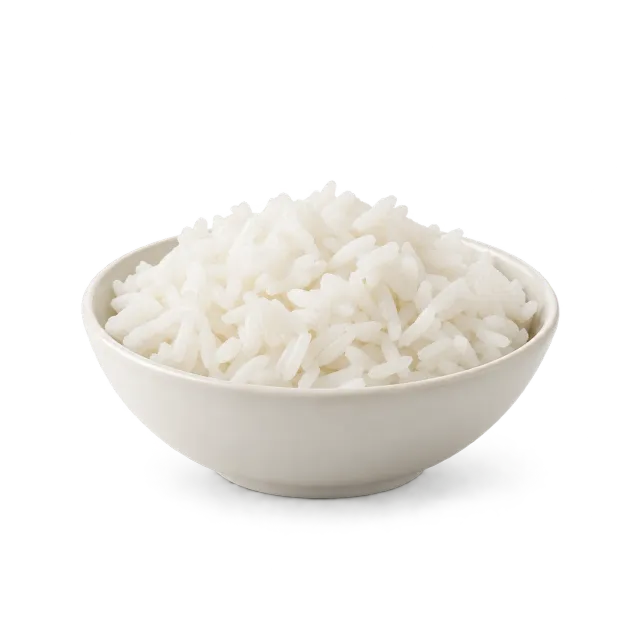
Rice
Dogs and cats may have a little fully cooked rice with no salt, fat or seasoning. Rice does not replace a complete diet. Check every ingredient in pilaf and other dishes: onion and garlic are dangerous.
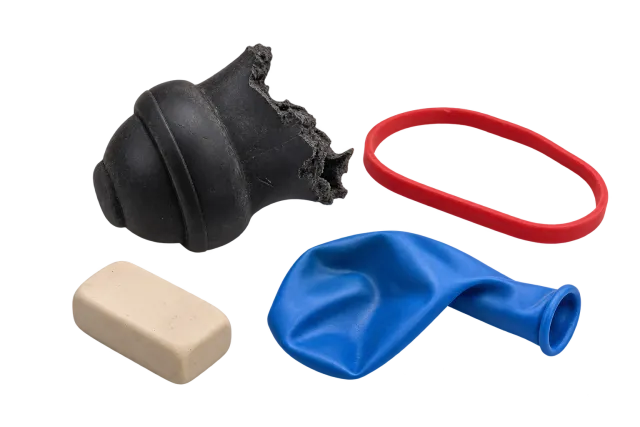
Rubber
Dogs and cats should not swallow rubber or latex. Pieces of toys, elastic bands, erasers and balloons can cause choking or obstruction. A long strip is especially dangerous as a linear foreign body.
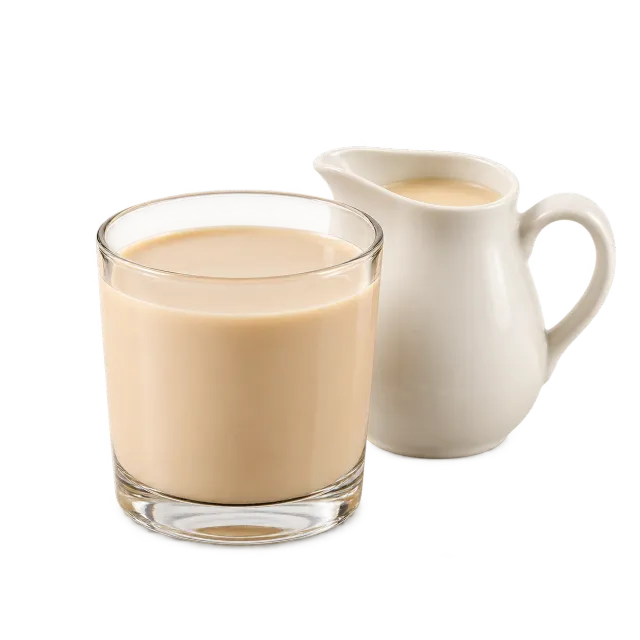
Ryazhenka
Dogs and cats can have ryazhenka only with restrictions: plain, made from pasteurised milk and well tolerated. It can cause diarrhoea and is not needed to treat digestive problems.
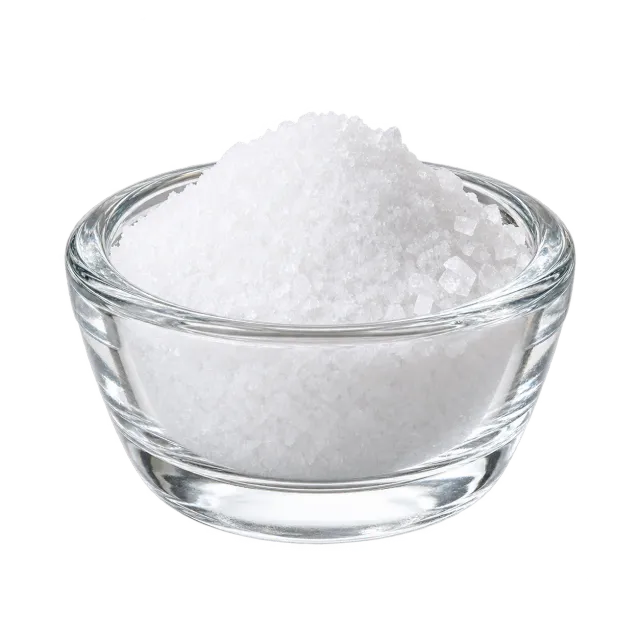
Salt
A small amount of salt in complete pet food is normal, but pets do not need extra salt added to meals. Excess salt, brine, seawater and salt dough can cause a dangerous rise in blood sodium.