
What can they eat?
Food, plants, medicines and household substances: a safety guide for dogs and cats.
Understanding the assessments
The colour indicates acceptability under the conditions described. Benefits, restrictions and actions after ingestion are explained separately for each animal.
Results: 138
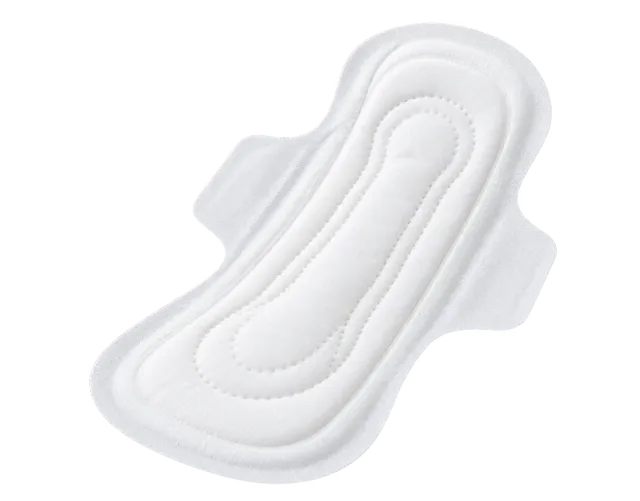
Sanitary pads
Dogs and cats must not swallow sanitary pads. The material is not digestible and can lodge in the oesophagus, stomach or intestine. Contact a veterinary clinic immediately if your pet swallowed a whole pad, a large piece or a long strip.
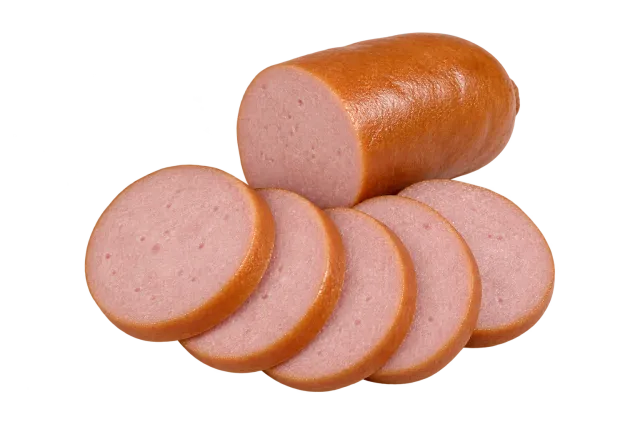
Sausage
Sausage should not be a routine treat for dogs or cats. One small piece of a cooked product with known ingredients usually needs observation only, but raw sausage, onion, garlic and swallowed packaging are dangerous.
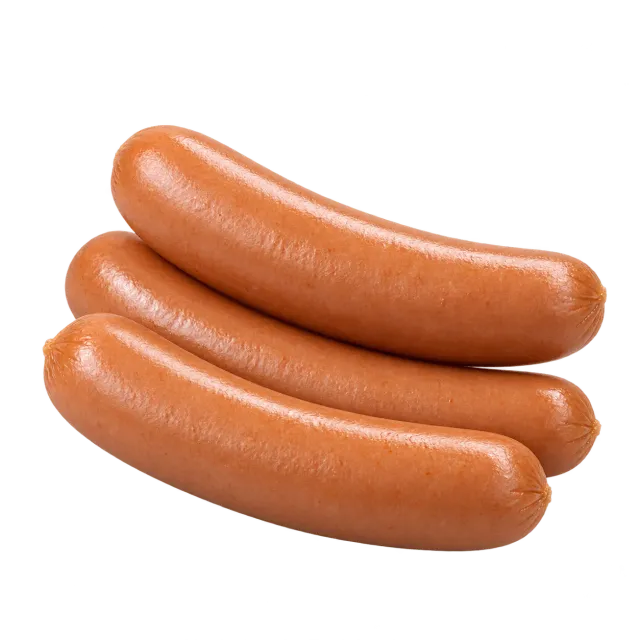
Sausages
Sausages are not suitable as regular treats for dogs or cats. One small piece of a fully cooked product with known ingredients has a yellow rating; onion, garlic, raw meat or a large piece changes the decision.
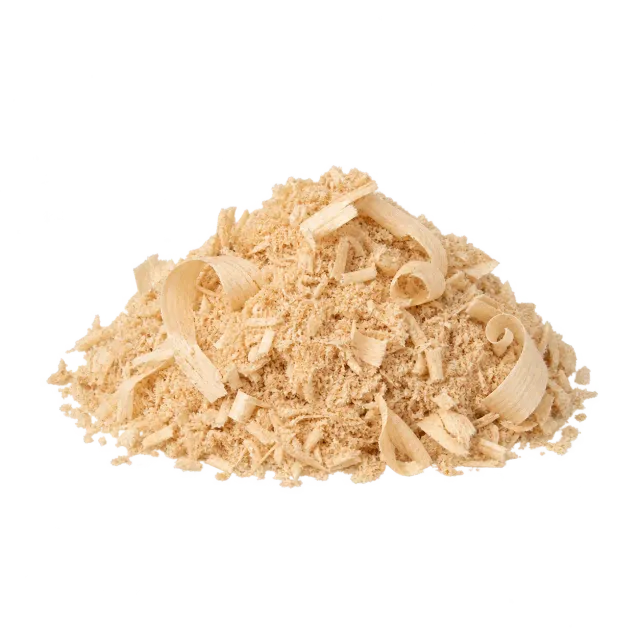
Sawdust
Do not give sawdust to dogs or cats. A small amount of clean sawdust is more likely to cause digestive upset, while a larger mass may obstruct the gut. Wood species, paint and preservatives change the risk.
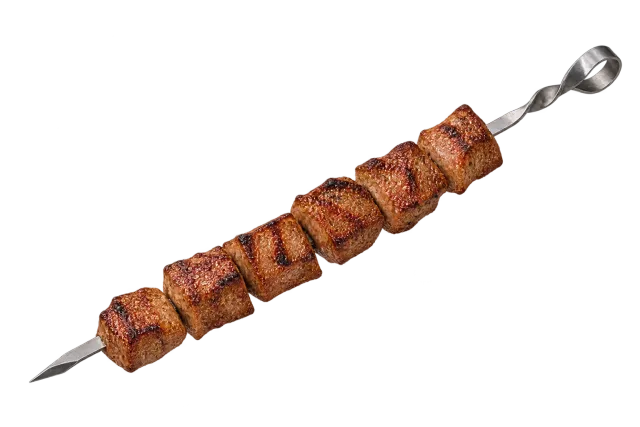
Shashlik
A dog or cat may have only a small piece of thoroughly cooked lean meat with no bone, fat, salt, onion, garlic or sauce. Ordinary shashlik needs to be assessed by its ingredients first.
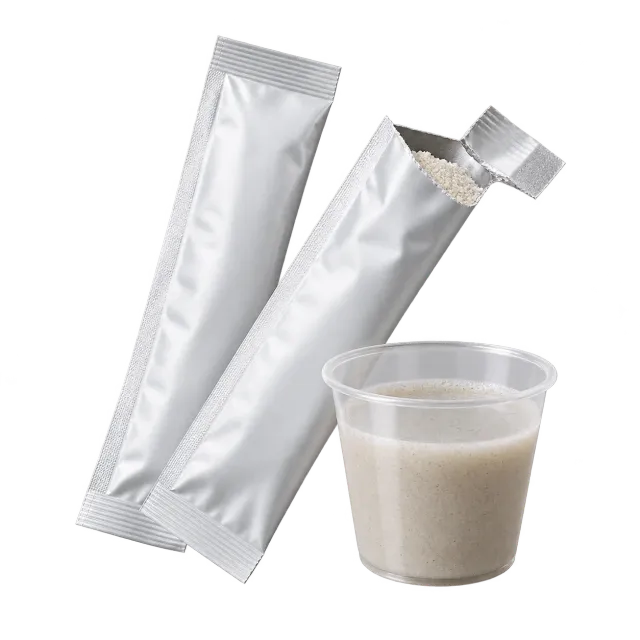
Smecta (diosmectite)
Give Smecta to a dog or cat only under a veterinary plan. Diosmectite is sometimes used for symptomatic support in diarrhea, but human directions do not translate to pets, and the medicine can cause constipation and reduce absorption of other oral medicines.
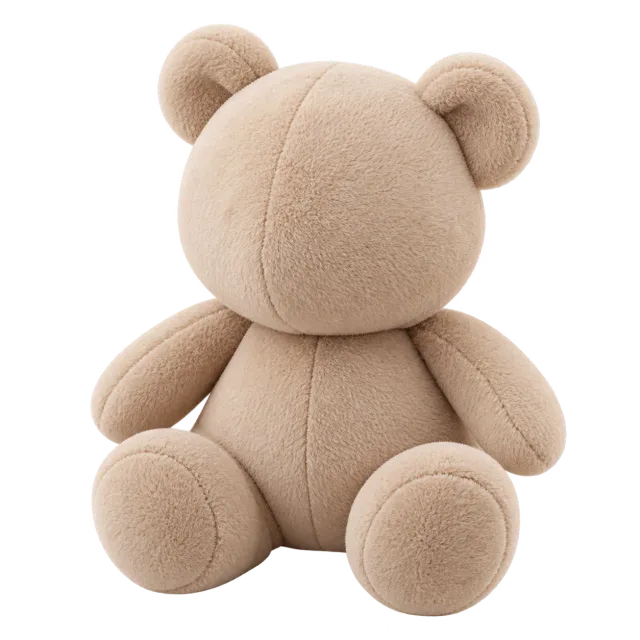
Soft toy
An intact, size-appropriate soft toy can be used for supervised play. Remove a damaged toy at once. If your pet swallows fabric, stuffing, a squeaker, thread or another part, call the clinic because choking and obstruction are possible.
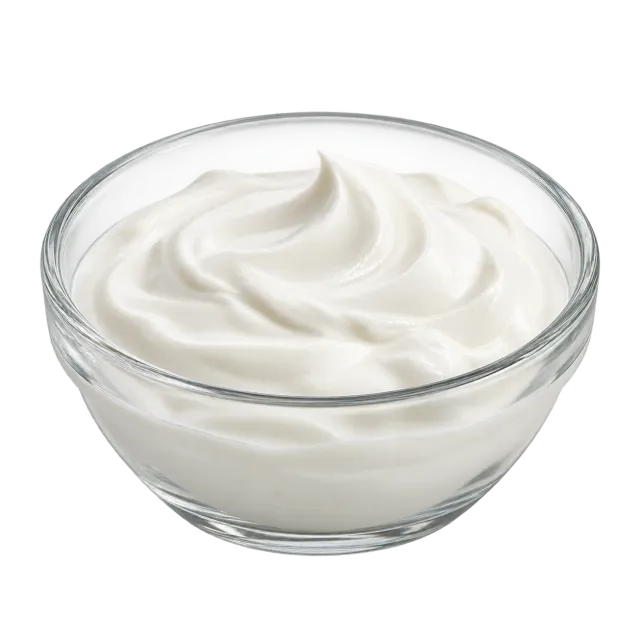
Sour cream
Plain pasteurised sour cream is not poisonous, but its lactose, fat and calories make it a poor choice for dogs and cats. Sour cream containing onion or garlic is dangerous.
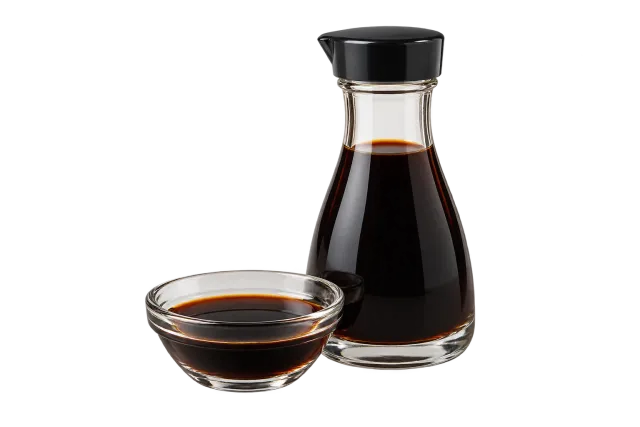
Soy sauce
Do not feed soy sauce to dogs or cats. It is high in sodium, and prepared marinades may contain onion or garlic. One accidental lick of plain sauce usually calls for observation, while a large or unknown amount needs veterinary advice.
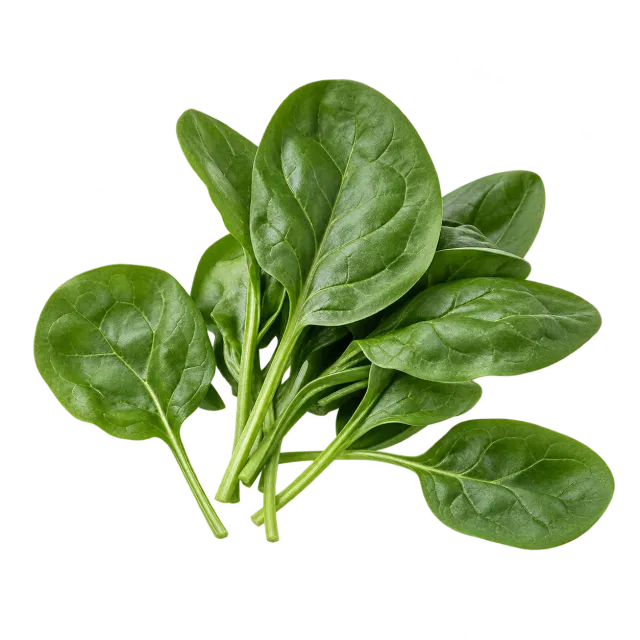
Spinach
Dogs and cats may occasionally have a little plain spinach. Avoid it with calcium oxalate stones; other kidney disease or a prescribed diet needs veterinary advice first. Dishes with onion or garlic are dangerous.
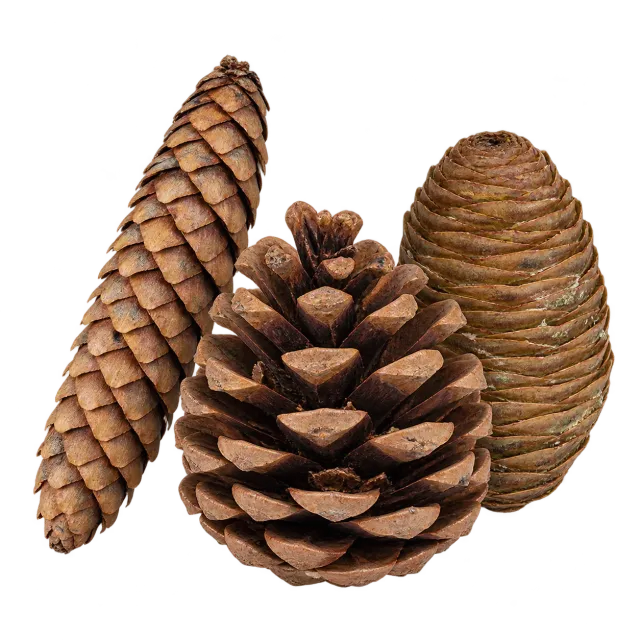
Spruce, pine or cedar cone
Do not give spruce, pine or cedar cones to dogs or cats. A hard cone can injure tissue, cause choking or lodge in the digestive tract. Call the clinic immediately after one is swallowed.
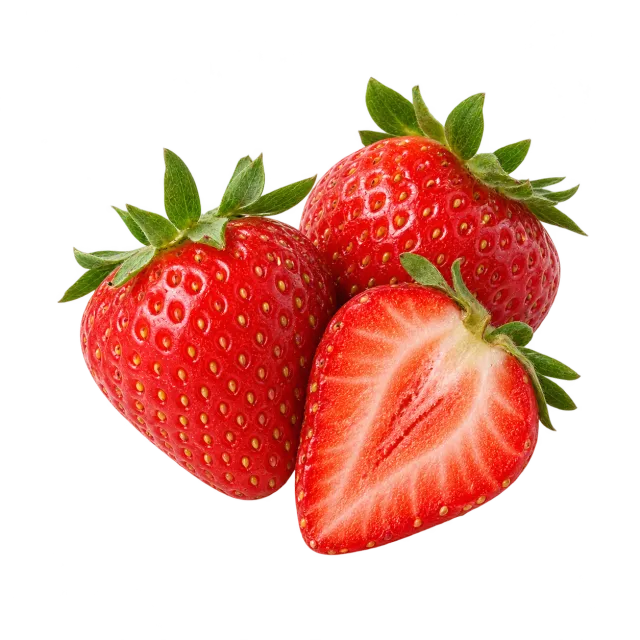
Strawberry
Dogs and cats can have a little ripe, plain strawberry. Wash it, remove the leafy top and cut it into small pieces. Jam and desserts need a separate assessment.
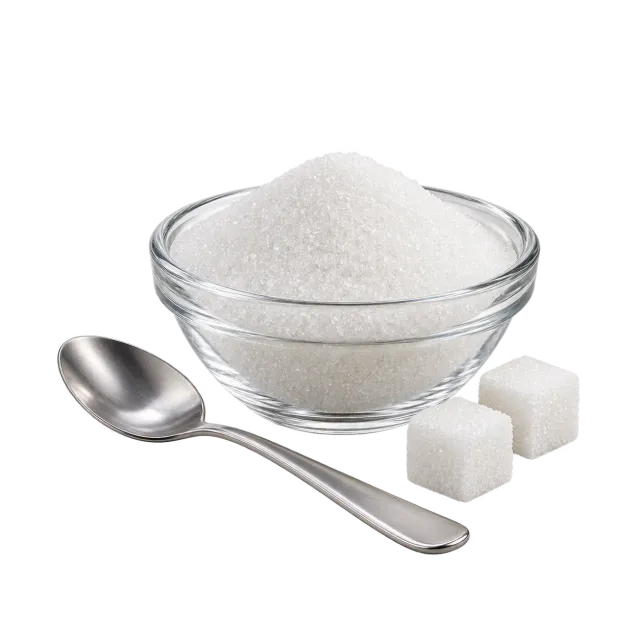
Sugar
Ordinary table sugar is not poisonous to dogs or cats, but there is no reason to offer it as a treat. Sugar-free products need a separate check because xylitol is extremely dangerous to dogs.
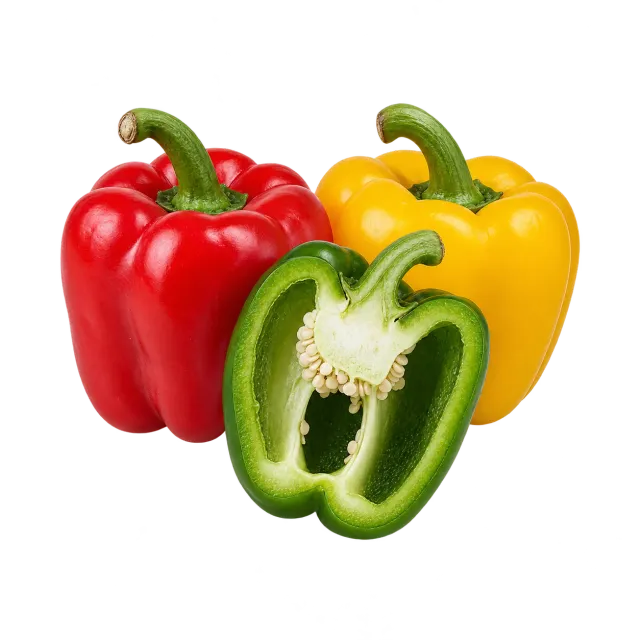
Sweet bell pepper
Dogs and cats may have a little plain sweet bell pepper. Remove the stalk and core and cut the flesh small. Whole peppers and large pieces need caution, while dishes containing onion or garlic are dangerous.
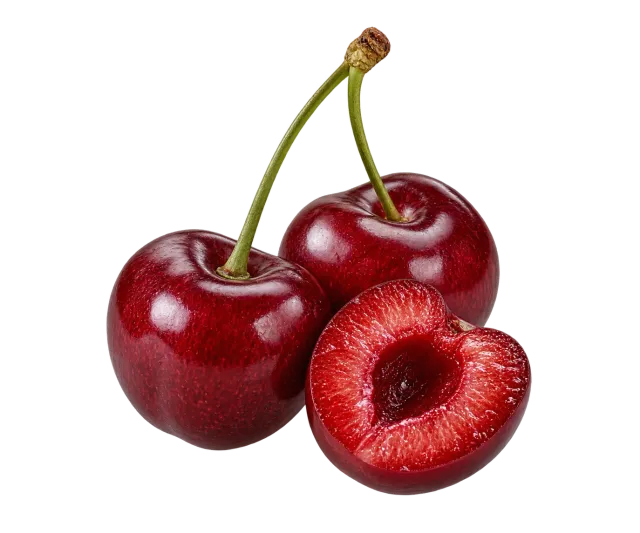
Sweet cherry
Dogs and cats may have a little ripe sweet cherry flesh with the pit and fruit stem removed. The pit can cause an obstruction, while a damaged kernel, fruit stems, leaves and twigs are hazardous because of cyanogenic compounds.
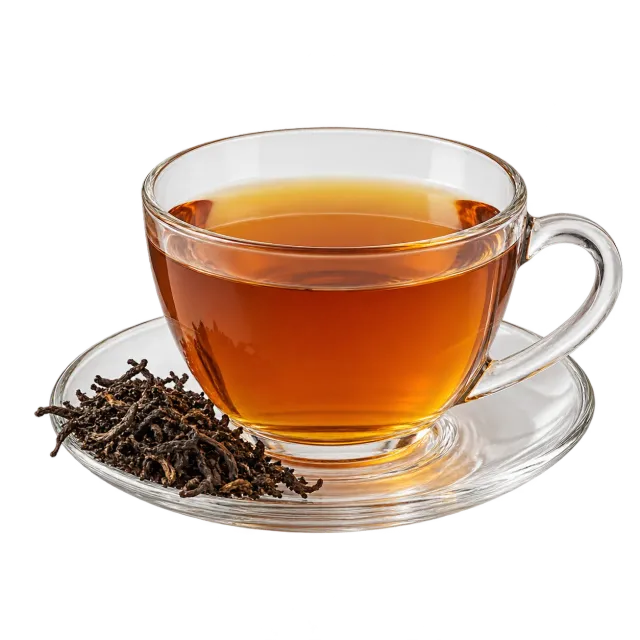
Tea
Do not offer ordinary tea to a dog or cat. They do not need caffeine, and enough of it can cause poisoning. A few licks of plain tea without symptoms usually call for observation, while dry leaves, a tea bag, matcha or an unknown amount warrant a call to the clinic.
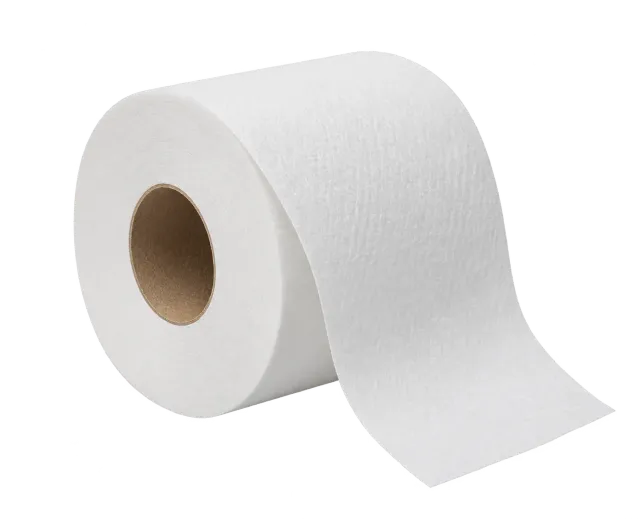
Toilet paper
Clean, dry toilet paper is not regarded as a poison, but it is not food. A small piece may pass without complication; a large compacted mass or the cardboard tube can cause an obstruction.
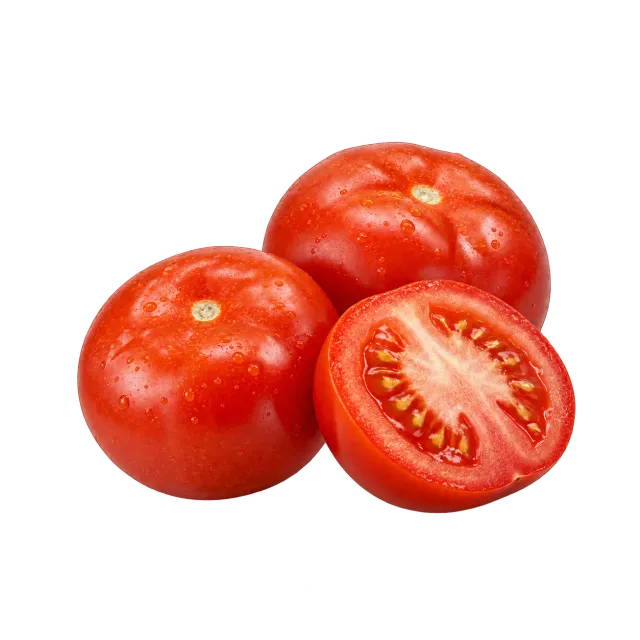
Tomatoes
A small amount of fully ripe tomato with the stalk and green parts removed can be offered to a dog or cat. Do not feed unripe green fruit, leaves or stems.