
Already eaten — what now?
For dogs and cats
Remove the source and note the ingredients, approximate amount, time and your pet’s weight. Leave fresh water freely available, but do not force water or induce vomiting. Call a veterinarian after more than a tiny accidental taste, or after concentrated salt, brine, seawater or salt dough. Vomiting, marked thirst, weakness, unsteady walking, tremors, seizures or altered awareness need urgent care.
Variants and ingredients
In complete pet foodFor dogs and cats: Acceptable
Sodium and chloride are included in the balanced formula of a complete food.
For dogs and cats
Conditions and restrictions
Feed a complete food for the right species and life stage according to its directions. Do not sprinkle extra salt on top.
Benefits
These minerals are needed for normal body function and are already accounted for in a complete diet.
Risks
- Adding minerals independently can disturb the diet’s formulated balance.
Already eaten — what now?
No special action is needed after a normal portion of suitable complete food. Contact a veterinarian if the food was mixed incorrectly, tastes abnormally salty or your pet suddenly becomes very thirsty.
A small accidental taste of salty foodFor dogs and cats: With restrictions
One small piece of ordinary food, not a portion of salt or a concentrated product.
For dogs and cats
Conditions and restrictions
Do not use salty food as a treat. Check the full ingredient list because onion, garlic, fat, spices and other ingredients may change the assessment.
Benefits
There is no separate benefit.
Risks
- Even a small amount may be unsuitable for a pet on a prescribed diet or with chronic disease.
Already eaten — what now?
After one small piece with no other hazardous ingredients, keep water available and observe. Call a veterinarian if the ingredients are unknown, more was eaten, or vomiting, diarrhoea, unusual thirst, weakness or unsteady walking develops.
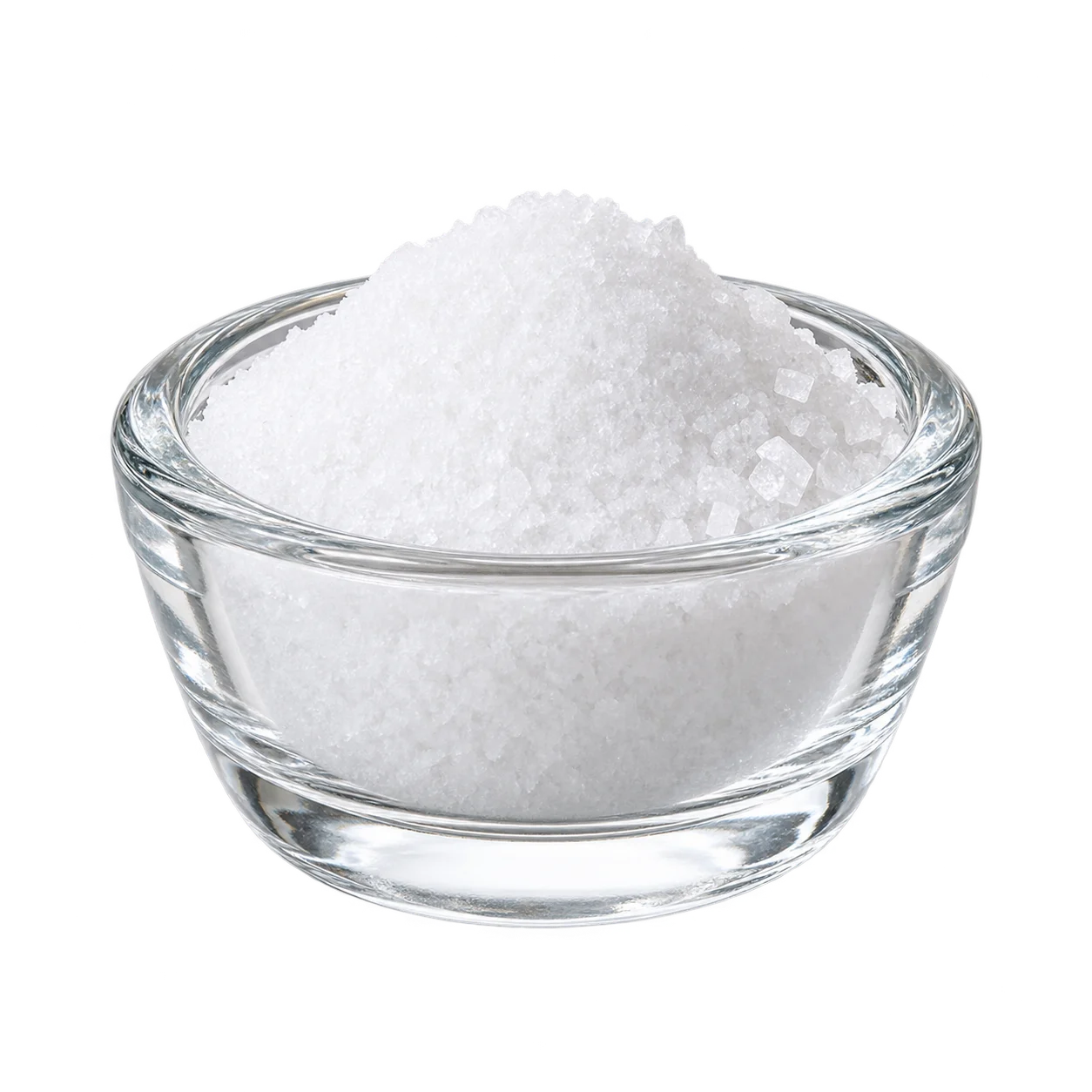
Table salt or very salty foodFor dogs and cats: Dangerous · Urgent help needed
Salt from a cellar, coarse salt, salty snacks, cured meat and other concentrated sources.
For dogs and cats
Conditions and restrictions
Never offer salt by itself, and keep concentrated products out of reach. Fresh water must always be available.
Benefits
There is no benefit.
Risks
- A large salt intake can rapidly raise blood sodium and injure the nervous system.
- Early vomiting and intense thirst can progress to weakness, unsteady walking, tremors and seizures.
Already eaten — what now?
Remove the salt, leave fresh water freely available and call a veterinarian promptly if the amount is unknown or more than a tiny accidental taste. Do not induce vomiting or force water. Take the package or a photo of the ingredients. Leave urgently if any symptoms develop.
Brine or seawaterFor dogs and cats: Dangerous · Urgent help needed
The liquid may look like water but contains a high salt load and sometimes other ingredients.
For dogs and cats
Conditions and restrictions
Do not offer brine. At the coast, give dogs fresh water regularly and prevent seawater drinking.
Benefits
There is no benefit.
Risks
- Repeated drinking of seawater or brine can cause hypernatraemia.
- Brine may contain onion, garlic, vinegar, spices or other ingredients with separate risks.
Already eaten — what now?
Stop access, offer ordinary fresh water and call a veterinarian after repeated drinking, an unknown amount or any symptoms. Do not force water. Vomiting, intense thirst, weakness, unsteady walking, tremors or seizures require an urgent journey.
Salt dough or homemade play doughFor dogs and cats: Dangerous · Especially dangerous
Craft dough and homemade play dough may contain a large amount of salt and smell like food to a pet.
For dogs and cats
Conditions and restrictions
Keep raw dough, finished ornaments and crafts where pets cannot reach them. Do not leave them near food.
Benefits
There is no benefit.
Risks
- Salt dough has caused severe hypernatraemia, seizures and deaths in dogs.
- Its appearance does not reliably show how much salt was swallowed.
Already eaten — what now?
Call a veterinarian immediately even if there are no symptoms yet. Give the recipe or ingredients, approximate amount, time and your pet’s weight. Do not induce vomiting or attempt home treatment. Take a sample or photo of the recipe and travel as advised.
Conditions and risks
For dogs and cats
Conditions and restrictions
Do not add salt to your pet’s regular food. Keep fresh water freely available at all times. If your pet has a prescribed diet or kidney, heart or urinary disease, discuss any salty treat with your veterinarian.
Benefits
The body needs sodium and chloride, but complete pet food already supplies them in a formulated amount. Added salt has no separate benefit.
Risks
- Excess sodium chloride can cause hypernatraemia, with vomiting, diarrhoea, intense thirst, frequent urination, weakness, unsteady walking, tremors, seizures and coma.
- Risk is higher with concentrated salt, limited access to water, dehydration and some medical conditions.
- Salty human food may also contain onion, garlic, fat or other ingredients with separate risks.
This card covers edible salt, or sodium chloride. Reduced-sodium salt, de-icing products and other mixtures may contain different substances and must be assessed from the full ingredient list on the package.
Sources
- Merck Veterinary Manual: Salt Toxicosis in Animals
- Merck Veterinary Manual: Nutritional Requirements of Small Animals
- FEDIAF: Nutritional Guidelines for Complete and Complementary Pet Food for Cats and Dogs (2025)
- ASPCA Animal Poison Control: People Foods to Avoid Feeding Your Pets
- Pet Poison Helpline: Homemade Play Dough
- Barr et al. (2004): Hypernatremia secondary to homemade play dough ingestion in dogs
- Ueda et al. (2015): Incidence, Severity and Prognosis Associated with Hypernatremia in Dogs and Cats
Comments
No comments yet.