
Already eaten — what now?
For dogs and cats
A healthy pet that ate one or a few shelled, unsalted kernels usually only needs monitoring. Find out how much was eaten and check for shells, xylitol, chocolate, raisins, onion or garlic. Call a vet after a large portion or for pain, vomiting, diarrhoea or lethargy. Facial swelling, breathing difficulty, collapse or repeated vomiting need urgent care. Do not induce vomiting yourself.
Variants and ingredients
Shelled unsalted peanutsFor dogs and cats: With restrictions
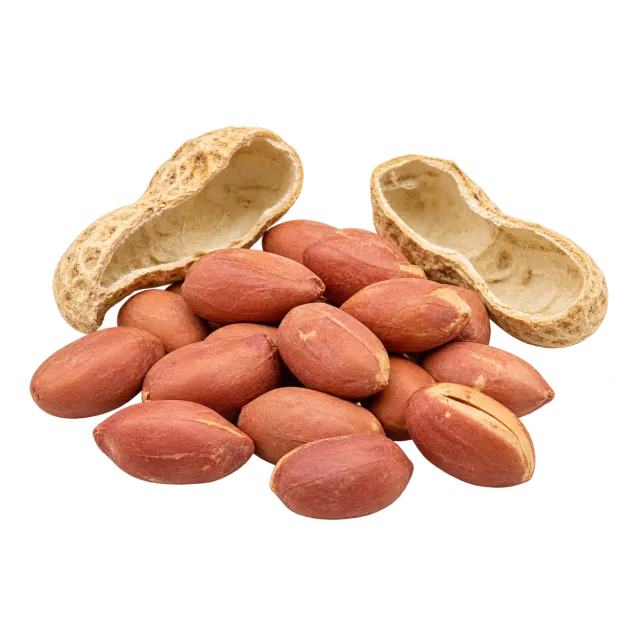
Fresh food-grade kernels, raw or dry-roasted without oil or additions.
For dogs and cats
Conditions and restrictions
Offer them rarely and in small amounts: use only fresh food-grade kernels without shell, salt, sugar, chocolate or seasoning. Break a kernel into smaller pieces for a small pet. All treats combined should provide less than 10% of daily calories.
Benefits
Peanuts contain protein, fat, vitamin E and some minerals. They are an optional treat when the main diet is complete.
Risks
- A large portion may cause vomiting, diarrhoea or abdominal pain and adds a lot of fat and calories.
- A whole kernel can be a choking hazard, particularly for a small pet or one that gulps food.
- An individual food reaction may cause itching, hives, facial swelling, vomiting or diarrhoea.
Already eaten — what now?
A healthy pet that ate one or a few shelled, unsalted kernels usually only needs monitoring. Find out how much was eaten and check for shells, xylitol, chocolate, raisins, onion or garlic. Call a vet after a large portion or for pain, vomiting, diarrhoea or lethargy. Facial swelling, breathing difficulty, collapse or repeated vomiting need urgent care. Do not induce vomiting yourself.
Peanut butter without xylitol or hazardous additionsFor dogs and cats: With restrictions
Peanut butter with a fully known ingredient list and no chocolate, raisins, onion, garlic or excess salt.
For dogs and cats
Conditions and restrictions
Use only peanut butter with known ingredients and no xylitol, chocolate, raisins, onion, garlic or excess salt. Offer only a thin smear or small portion and include it in the treat allowance. Check the label for every new product before giving it to a dog.
Benefits
Peanut butter retains nutrients from peanuts, but it is calorie-dense and unnecessary with a complete diet.
Risks
- A large portion may cause digestive upset and adds a lot of fat and calories.
- A large lump of sticky peanut butter may interfere with swallowing.
- Recipes vary, and a sugar-free product may contain xylitol.
Already eaten — what now?
Keep the jar and read the full ingredient list. Monitor after a small amount of ordinary peanut butter without hazardous additions. Call a vet if the ingredients are unknown, a large amount was eaten, or vomiting, pain, lethargy or difficulty swallowing develops. Any possibility of xylitol in a dog requires an immediate call, even without symptoms. Do not induce vomiting yourself.
ShellsFor dogs and cats: Dangerous · Urgent help needed
Whole peanuts in shell or swallowed pieces of the dry shell.
For dogs and cats
Conditions and restrictions
Do not offer peanuts in their shells, and keep discarded shells out of reach. Shell the kernels before offering them.
Benefits
The shell has no nutritional benefit.
Risks
- Dry, rigid shells may cause choking or injure the mouth or oesophagus.
- Swallowed pieces do not digest like food and may obstruct the gastrointestinal tract.
Already eaten — what now?
Remove the remaining shells and estimate how much may have been swallowed. Call a vet urgently after a substantial amount, or for coughing, drooling, repeated retching, vomiting, pain, refusal to eat or failure to pass stools. Breathing difficulty requires immediate travel. Do not induce vomiting or try to push the shell down with food.
Peanut butter containing xylitolFor dogs: Dangerous · Especially dangerousFor cats: With restrictions
A product listing xylitol, E967, birch sugar or wood sugar.
For dogs
Conditions and restrictions
Do not give a dog peanut butter containing xylitol, and keep it out of reach. The label may list xylitol, E967, birch sugar or wood sugar.
Benefits
There is no benefit for a dog.
Risks
- Xylitol can rapidly cause profound hypoglycaemia with weakness, poor coordination, seizures and coma.
- Some dogs develop severe liver injury, and a dog may initially appear well.
Already eaten — what now?
Call the clinic immediately and travel when instructed. Do not wait for symptoms. Bring the package and report the dog’s weight, time, product name and possible amount. Do not induce vomiting unless a veterinarian tells you to.
For cats
Conditions and restrictions
Xylitol did not show the toxicity seen in dogs in a small study of six healthy cats, but there is no reason to offer this peanut butter. Assess the full ingredient list and amount.
Benefits
There is no benefit for a cat.
Risks
- The small study did not assess regular use, cats with illness or every finished product.
- Other ingredients and a large fatty portion may be harmful independently of xylitol.
Already eaten — what now?
Keep the package and check the full ingredient list. Call the clinic if the amount or ingredients are unknown, a large amount was eaten, or the cat is unwell. Repeated vomiting, marked weakness, poor coordination, tremors, seizures or breathing difficulty need urgent care. Do not induce vomiting yourself.
Mouldy or spoiled peanutsFor dogs and cats: Dangerous · Urgent help needed
Peanuts showing spoilage or coming from a suspect or damaged batch.
For dogs and cats
Conditions and restrictions
Do not offer peanuts that smell musty, taste altered, feel damp, show mould or came from damaged packaging. Discard them where animals cannot reach the waste.
Benefits
Spoiled or mouldy peanuts have no safe benefit.
Risks
- Peanuts may be contaminated with aflatoxins, which damage the liver and may impair blood clotting.
- Hazardous aflatoxins may be present even when mould is not visible.
Already eaten — what now?
Stop access to the product, keep the packaging and call a vet immediately, especially if the peanuts were eaten over several days. Give the amount, best-before date and lot number. Lethargy, refusal to eat, vomiting, diarrhoea, yellow gums or eyes, bruising or bleeding need urgent assessment. Do not feed the product to other animals.
Conditions and risks
For dogs and cats
Conditions and restrictions
Offer them rarely and in small amounts: use only fresh food-grade kernels without shell, salt, sugar, chocolate or seasoning. Break a kernel into smaller pieces for a small pet. All treats combined should provide less than 10% of daily calories.
Benefits
Peanuts contain protein, fat, vitamin E and some minerals. They are an optional treat when the main diet is complete.
Risks
- A large portion may cause vomiting, diarrhoea or abdominal pain and adds a lot of fat and calories.
- A whole kernel can be a choking hazard, particularly for a small pet or one that gulps food.
- An individual food reaction may cause itching, hives, facial swelling, vomiting or diarrhoea.
The yellow rating applies to fresh food-grade kernels without shell, salt, sugar, chocolate or seasoning. Peanut butter is suitable only when its ingredients are known. Xylitol, mould and swallowed shells are covered separately.
Peanuts provide protein and fat, but a pet eating a complete diet does not need them. Count treats in the daily calorie total. Ask your vet before adding them for a pet with pancreatitis, excess weight, a food reaction or a therapeutic diet.
Sources
- ASPCA: Sharing is Caring - Foods You Can Safely Share with Your Pet
- WSAVA: Feeding Treats to Your Dog
- WSAVA: Feeding Treats to Your Cat
- Merck Veterinary Manual: Pancreatitis in Dogs and Cats
- FDA: Paws Off Xylitol; It's Dangerous for Dogs
- Merck Veterinary Manual: Xylitol Toxicosis in Dogs
- Jerzsele et al.: Effects of orally administered xylitol in cats
- FDA: Aflatoxin Poisoning in Pets
- Merck Veterinary Manual: Aflatoxicosis in Animals
- Cornell University College of Veterinary Medicine: Gastrointestinal Foreign Body Obstruction in Dogs
- Kang and Park: Putative peanut allergy-induced urticaria in a dog
Comments
No comments yet.