
What can they eat?
Food, plants, medicines and household substances: a safety guide for dogs and cats.
Understanding the assessments
The colour indicates acceptability under the conditions described. Benefits, restrictions and actions after ingestion are explained separately for each animal.
Results: 138
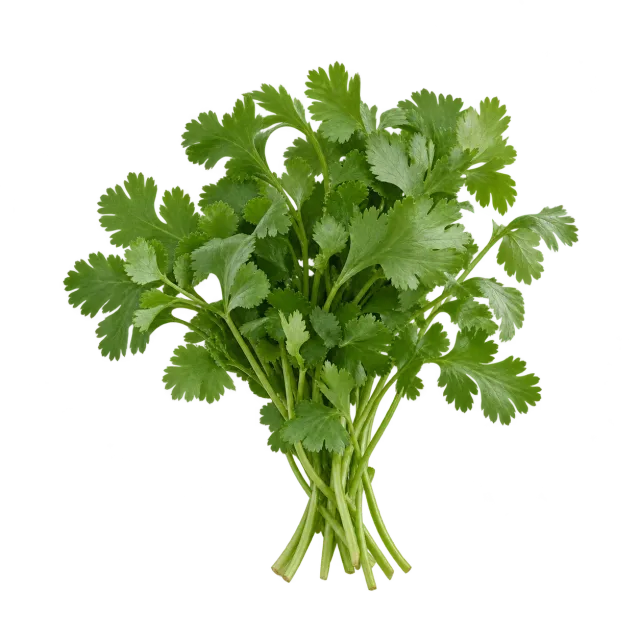
Cilantro
A small amount of plain fresh cilantro is suitable for dogs and cats. Coriander seeds need caution, while concentrated essential oil should not be fed or applied to a pet.
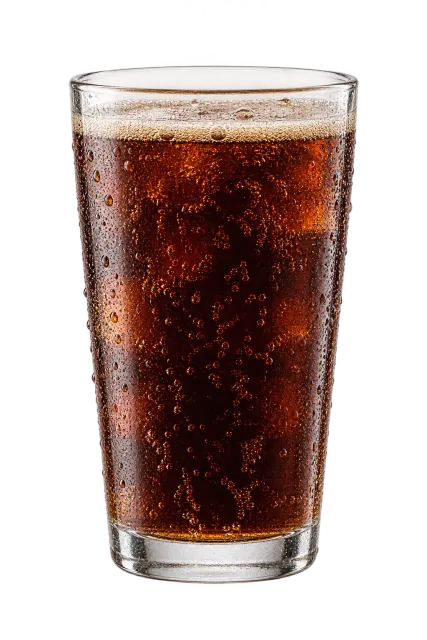
Coca-Cola
Do not offer Coca-Cola to a dog or cat. Original and Zero products contain caffeine, and recipes vary by market and version. After one or two licks of a finished drink with no signs, observation is usually enough; a larger or unknown amount, concentrated syrup or symptoms call for veterinary advice.
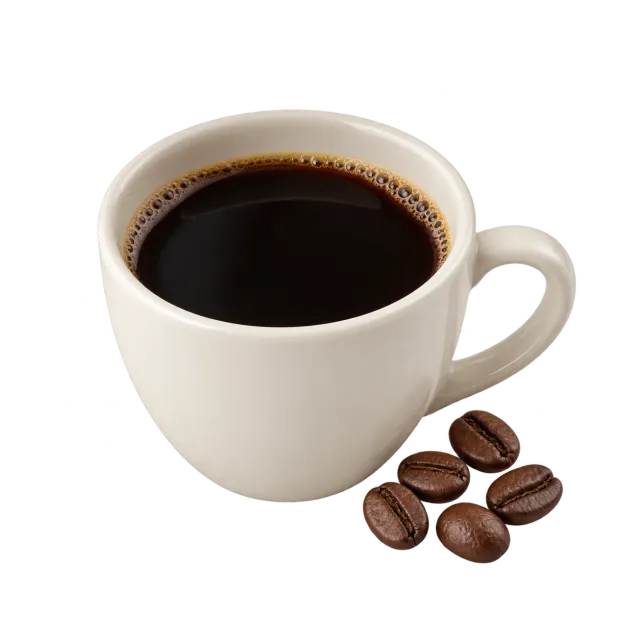
Coffee
Caffeinated coffee is dangerous for dogs and cats. Beans and grounds are especially concentrated. If your pet drank coffee or ate beans, contact a veterinarian promptly for a risk assessment.
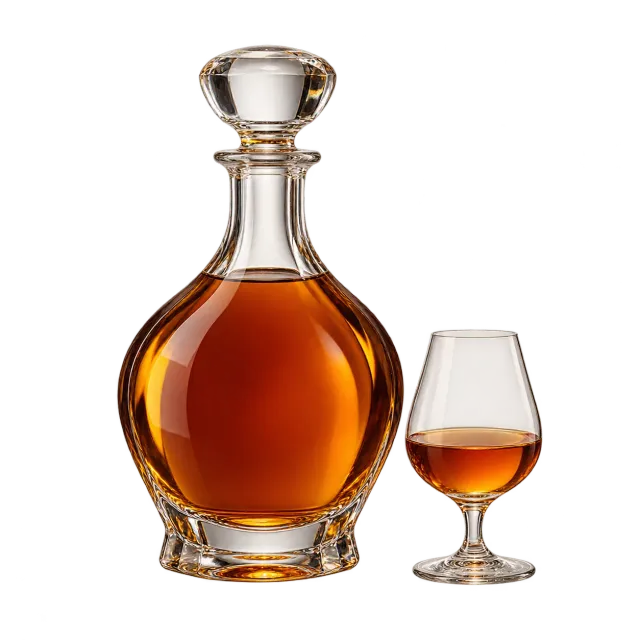
Cognac (brandy)
Do not give cognac or brandy to a dog or cat. Ethanol is absorbed quickly and can dangerously depress the nervous system, breathing, body temperature and blood glucose.
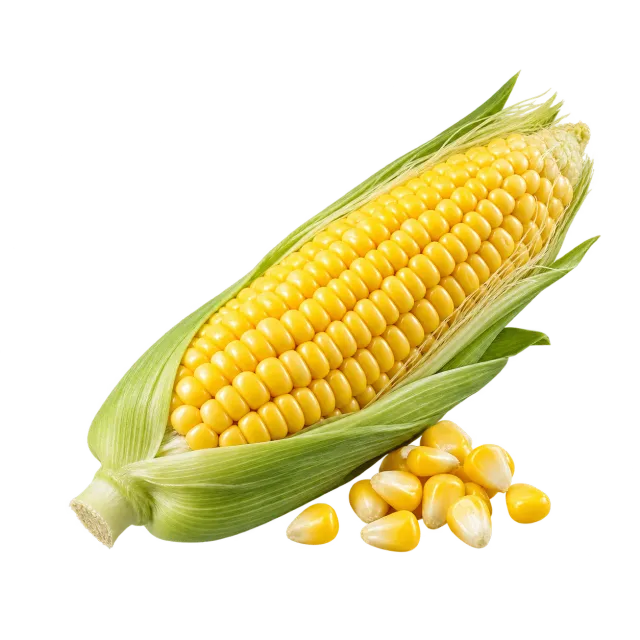
Corn
Dogs and cats may have a little plain, soft, cooked corn. Never offer the cob: a swallowed piece can block the intestine. If your pet swallows part of a cob, contact a veterinarian straight away, even if they seem well.
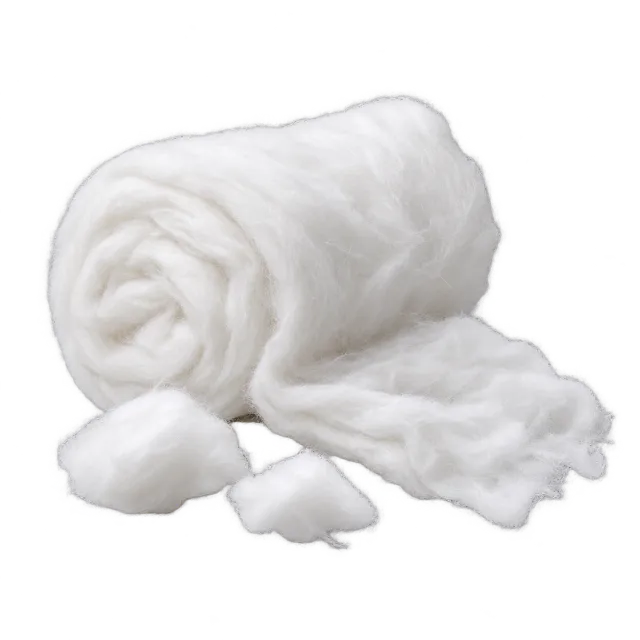
Cotton wool
Do not give cotton wool to a dog or cat. A very small, clean, loose tuft may pass without a problem, but a compact wad, whole cotton ball or pad, or a cotton swab can lodge in the throat or gastrointestinal tract.
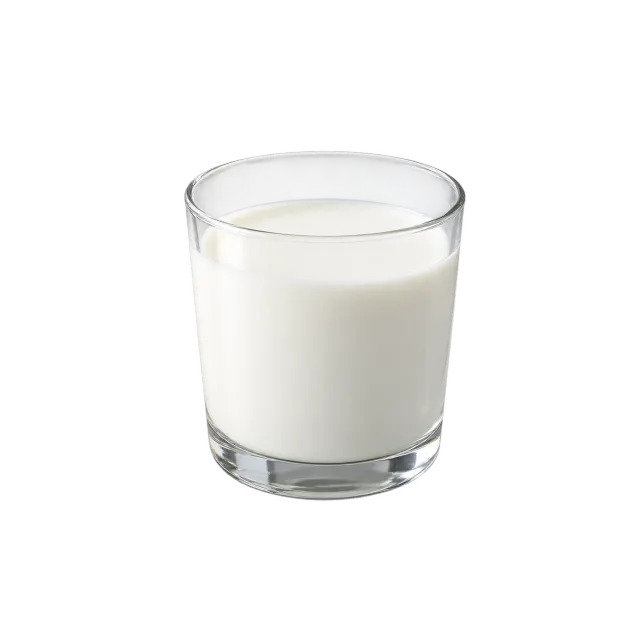
Cow’s milk
Cow’s milk is unsuitable for dogs and cats: lactose can cause digestive upset. Pasteurised, lactose-free and raw milk have different risks.
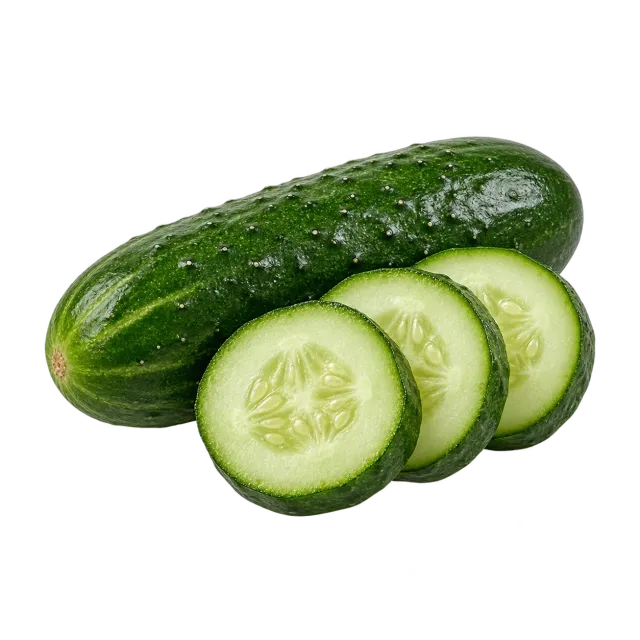
Cucumber
Dogs and cats may have a little fresh cucumber with no salt or seasoning. Cut it to suit your pet; pickled cucumber needs an ingredient-specific assessment.
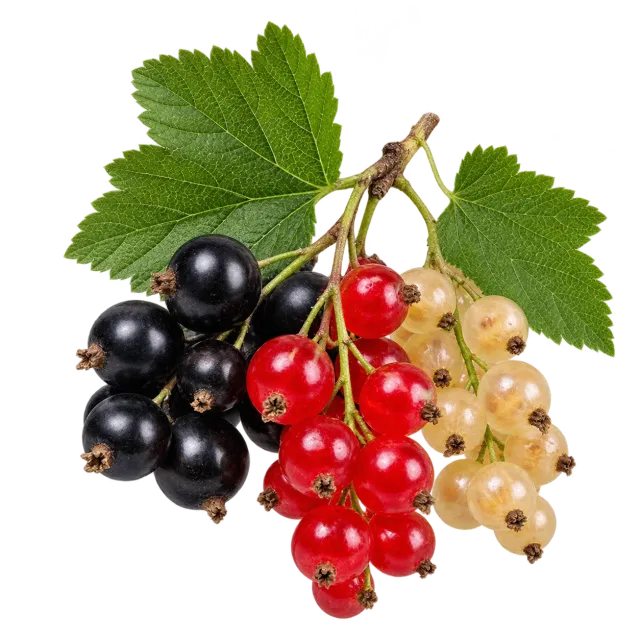
Currants
Fresh true currants from the Ribes genus are not considered poisonous to dogs or cats. Offer only a small plain portion. Check English labels carefully: Zante currants are dried grapes, not Ribes berries, and belong with raisins.
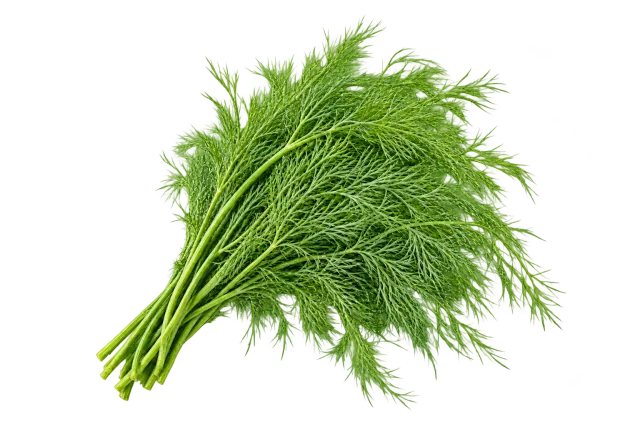
Dill
Dogs and cats may have a small amount of plain fresh or dried dill. Do not give dill essential oil by mouth or apply it to a pet.
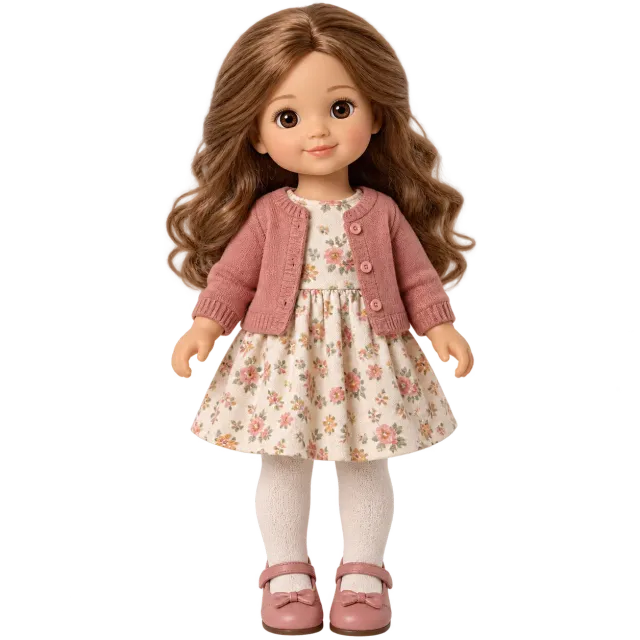
Doll
Dogs and cats must not swallow a doll or any of its parts. Plastic, fabric, stuffing, hair and thread can lodge in the digestive tract. A battery or magnet from the toy needs immediate veterinary attention even if there are no signs yet.
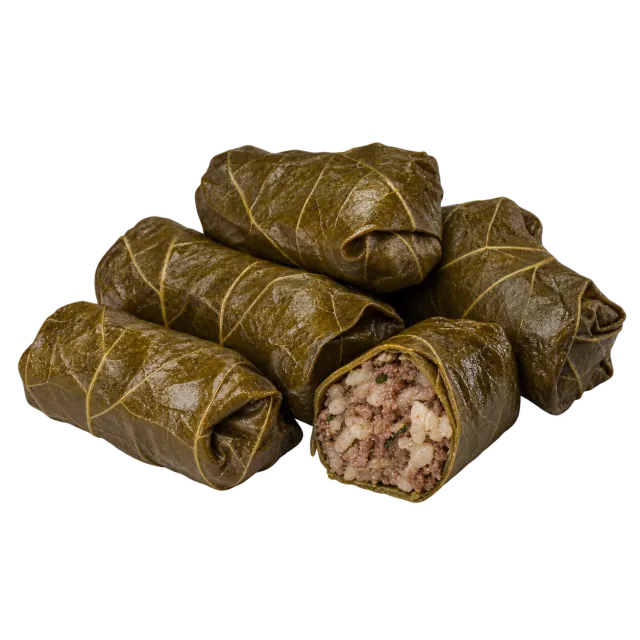
Dolma
Dolma can only be assessed from its recipe. A small piece of a fully cooked dish with no hazardous ingredients is suitable with restrictions; onion, garlic, grapes, or raisins make it dangerous for dogs and cats.
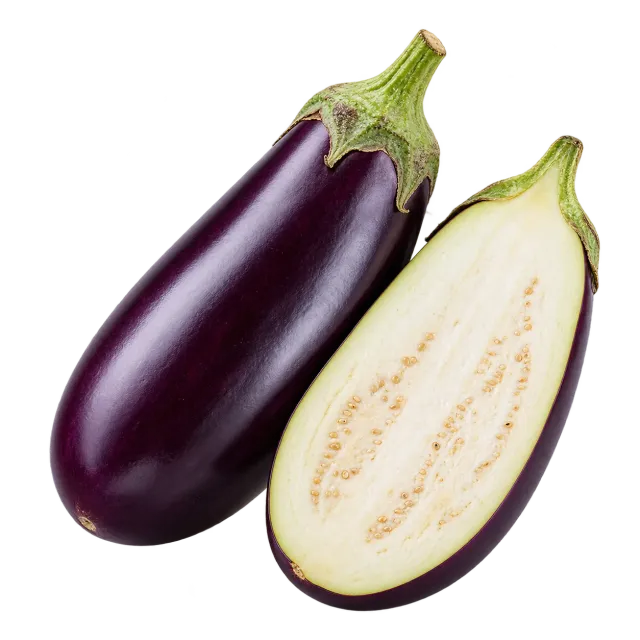
Eggplant
A dog or cat may have only a small piece of plain cooked eggplant if tolerated. Do not feed leaves or stems; dishes containing onion or garlic are dangerous.

Electrical wire
Do not let a dog or cat use an electrical cable as a toy. A live cord can cause electric shock and burns, while a swallowed piece can obstruct or injure the digestive tract.
Ethyl alcohol (ethanol)
Do not give ethyl alcohol to dogs or cats. It is absorbed quickly and can depress consciousness, lower body temperature and blood glucose, cause seizures and impair breathing. Call the clinic immediately after ingestion.
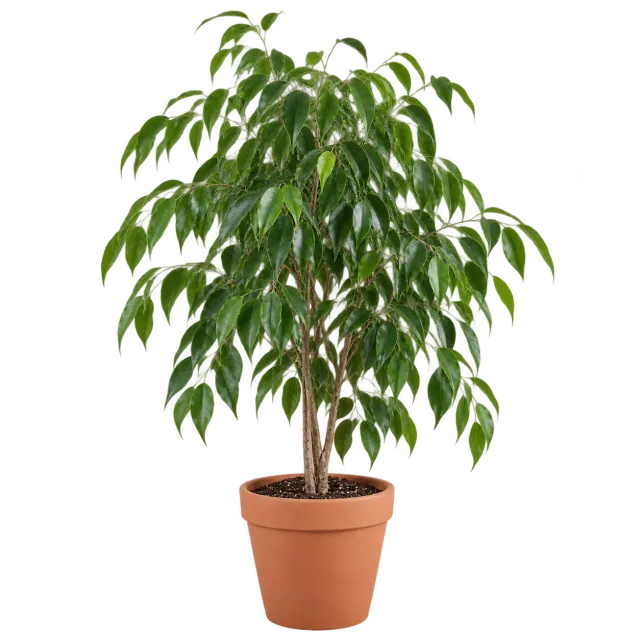
Ficus
Do not give ornamental ficus to dogs or cats. Leaves, shoots and milky sap can irritate the mouth, digestive tract and skin.
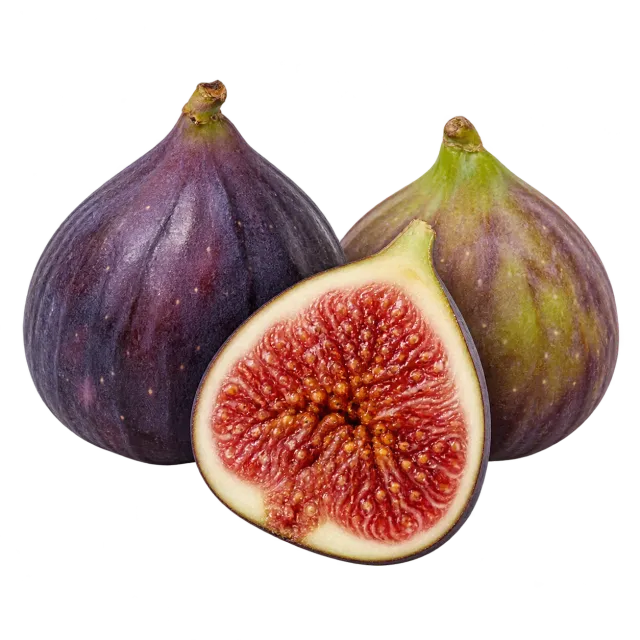
Figs
A little plain ripe fresh fig can be an occasional treat. Offer dried fruit more sparingly, and keep leaves, shoots and milky sap out of reach.
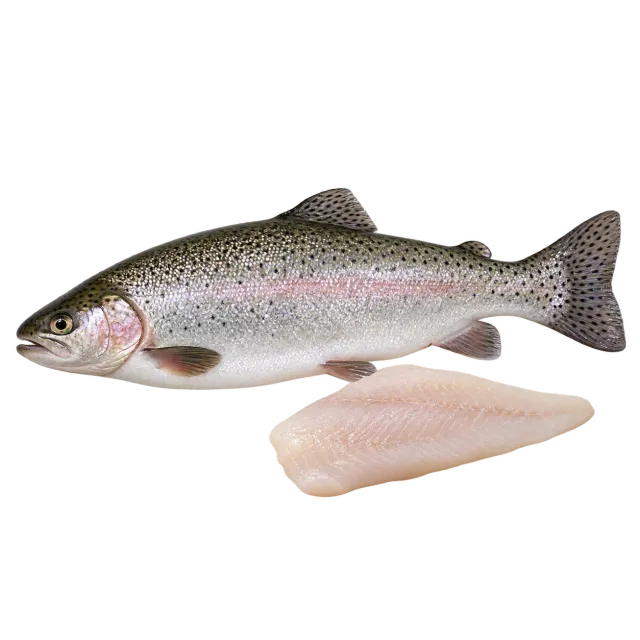
Fish
Dogs and cats can have a little cooked fillet without bones or additions. Do not feed raw fish or fish bones. Assess salted, smoked and canned products by their ingredients; fish with onion or garlic is dangerous.