
What can they eat?
Food, plants, medicines and household substances: a safety guide for dogs and cats.
Understanding the assessments
The colour indicates acceptability under the conditions described. Benefits, restrictions and actions after ingestion are explained separately for each animal.
Results: 138
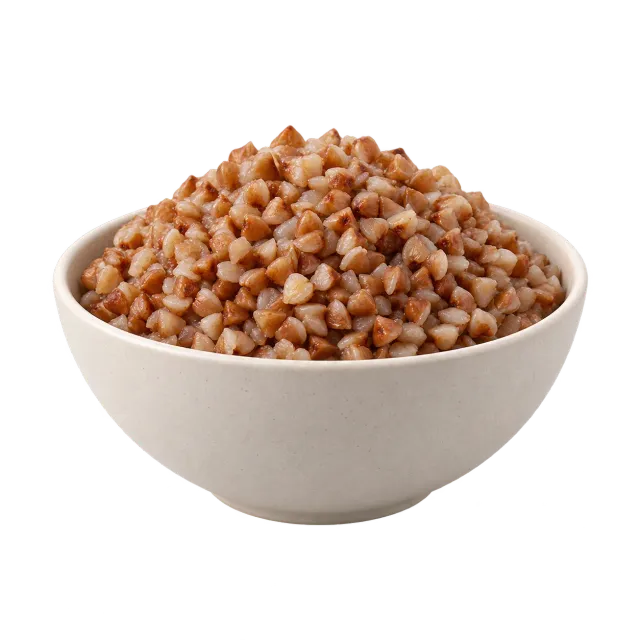
Buckwheat
Do not deliberately feed buckwheat to dogs: one veterinary study found an association with liver disease, although the cause remains unknown. A cat may have only a little plain cooked buckwheat as an occasional extra alongside a complete diet.
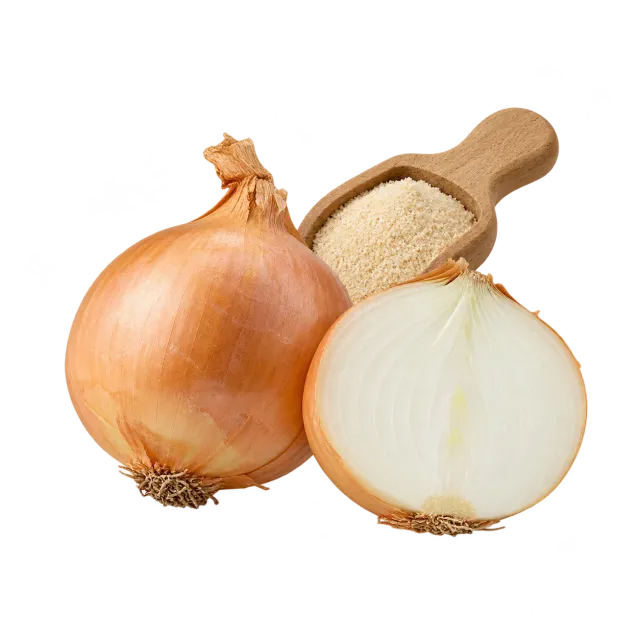
Bulb onion
Do not feed onion to dogs or cats. Raw, cooked, dried and powdered onion can damage red blood cells and cause haemolytic anaemia.
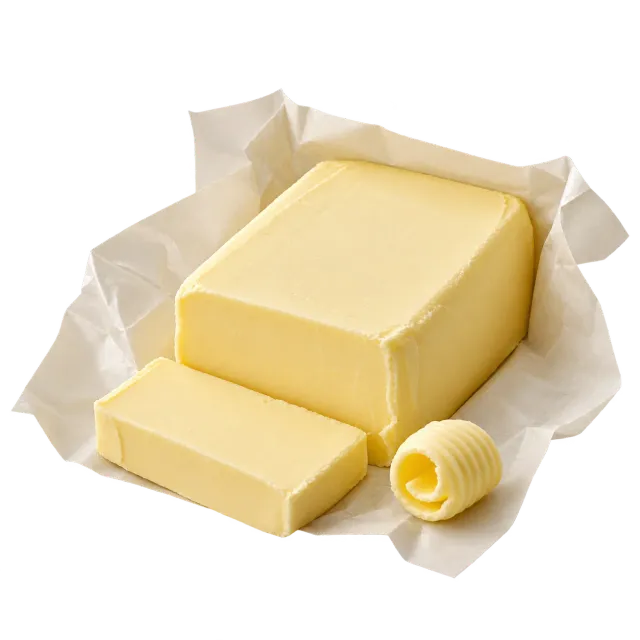
Butter
Plain butter is not poisonous, but it is very high in fat and calories and is best kept away from dogs and cats. Butter containing onion or garlic is dangerous.
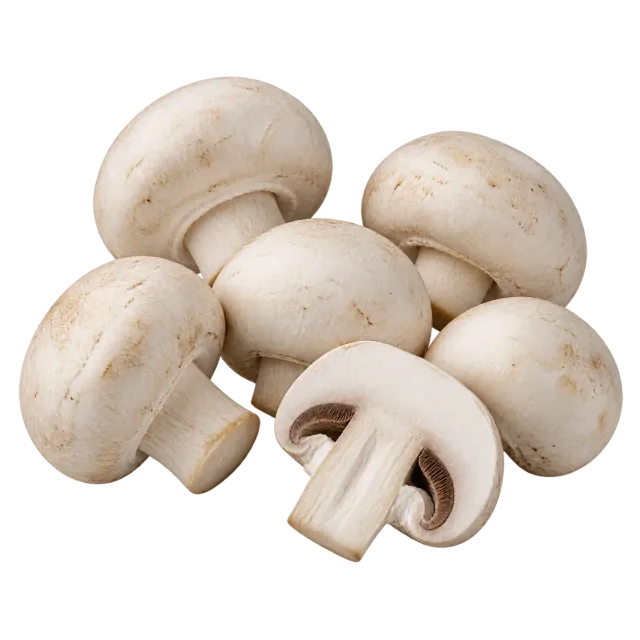
Button mushrooms
A small amount of plain, cooked store-bought button mushroom can be an occasional treat. Treat wild or unidentified mushrooms as dangerous.
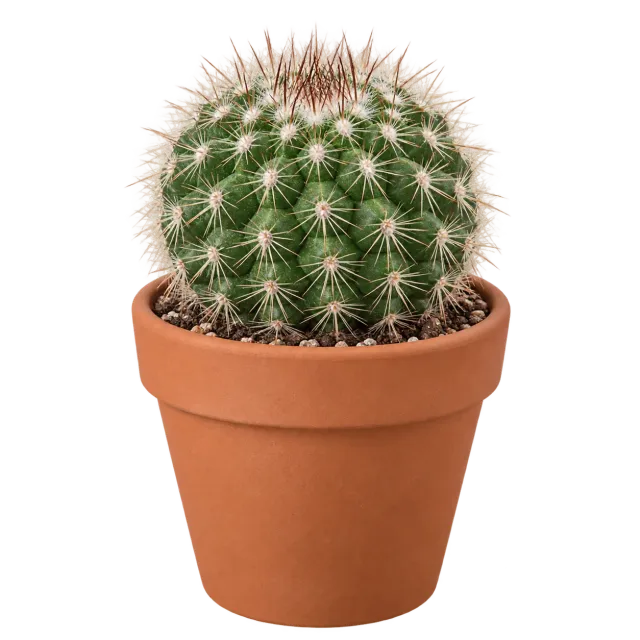
Cactus
Many true cacti are non-toxic, but spines and glochids can injure the skin, mouth and eyes. A cactus-like Euphorbia with white sap is toxic to dogs and cats.
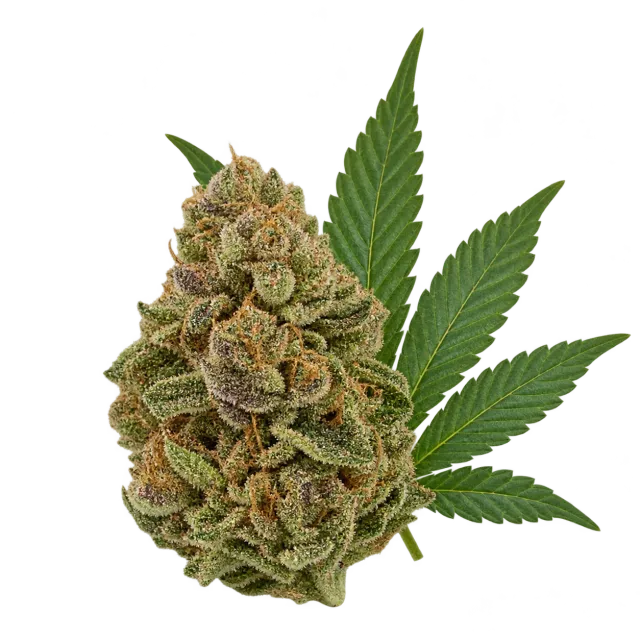
Cannabis
THC-containing cannabis is dangerous for dogs and cats. Call a veterinarian after ingestion or smoke or vapour exposure: the form, concentration, amount, pet’s weight and other ingredients all affect the risk.
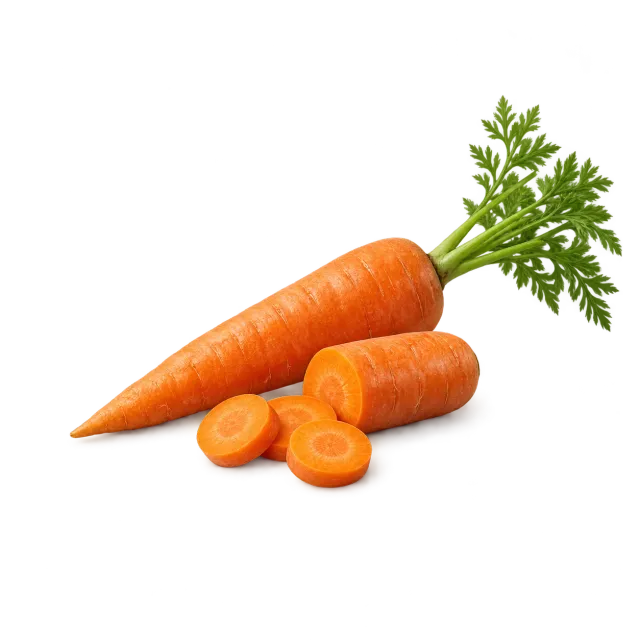
Carrot
Plain carrot is suitable for dogs and cats as a small treat. Texture, piece size and individual tolerance matter.
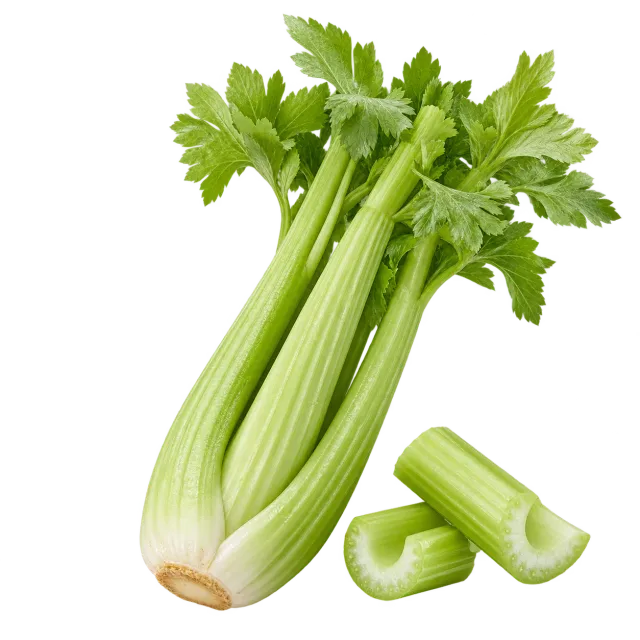
Celery
Dogs and cats may have a little plain celery cut into small pieces. Long fibrous stalks can cause choking, and dishes containing onion or garlic are dangerous.
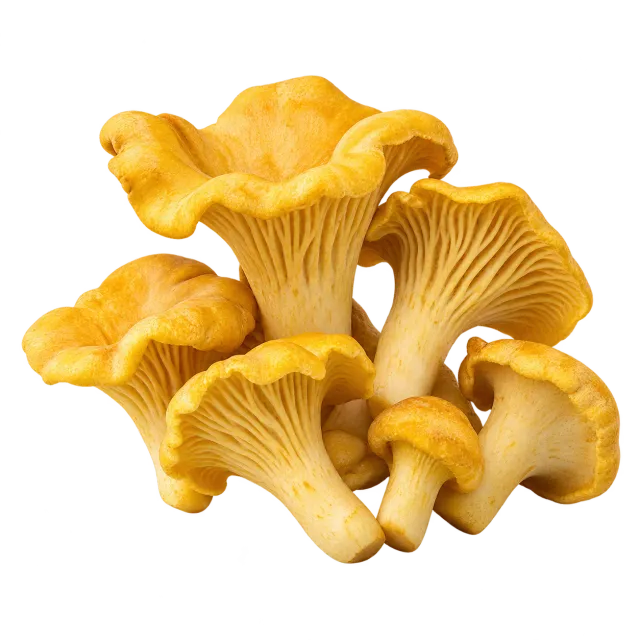
Chanterelles
True chanterelles are not considered poisonous, but there is no reason to feed them to a dog or cat. A small amount of reliably identified, fully cooked plain mushroom usually calls for observation. A foraged or unidentified mushroom needs an urgent call to a veterinarian.
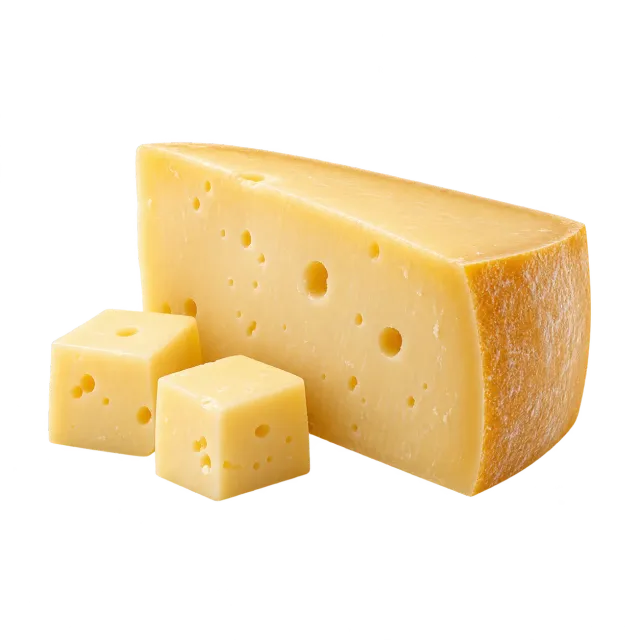
Cheese
Plain cheese needs limits: a dog may occasionally have a small piece; it is better not to offer it to a cat deliberately. Cheese with onion, garlic, blue mould or mould from spoilage is dangerous.
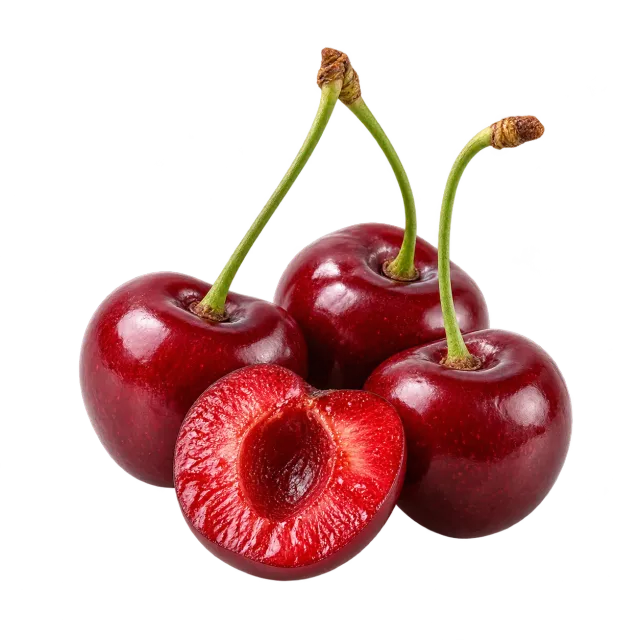
Cherry
A small amount of ripe flesh with the pit removed can be an occasional treat. Do not offer the pit, kernel, leaves or twigs.
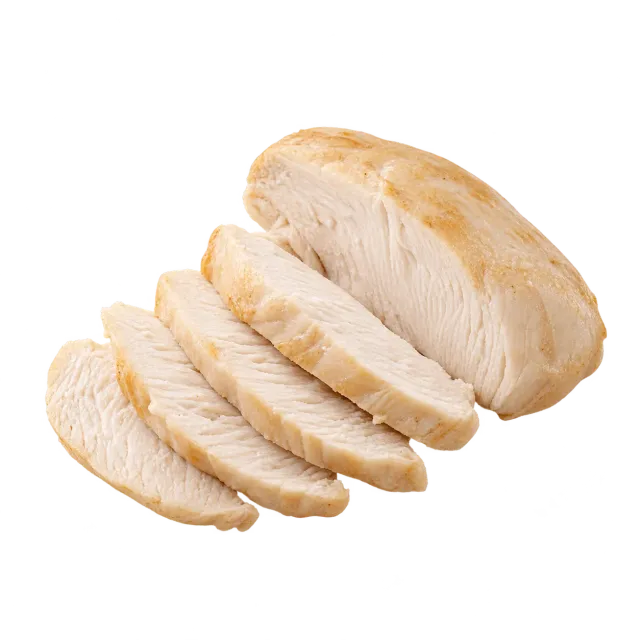
Chicken
Dogs and cats may occasionally have a little lean, fully cooked chicken without skin, bones or added ingredients. Raw meat, bones, fatty skin, onion and garlic change the rating.
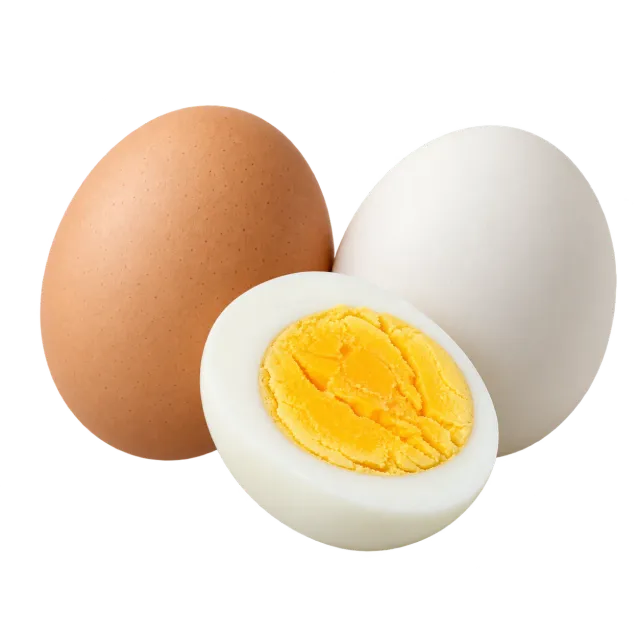
Chicken eggs
Dogs and cats can have a little fully cooked chicken egg without shell or additions. We do not recommend raw egg; egg dishes containing onion or garlic are dangerous.
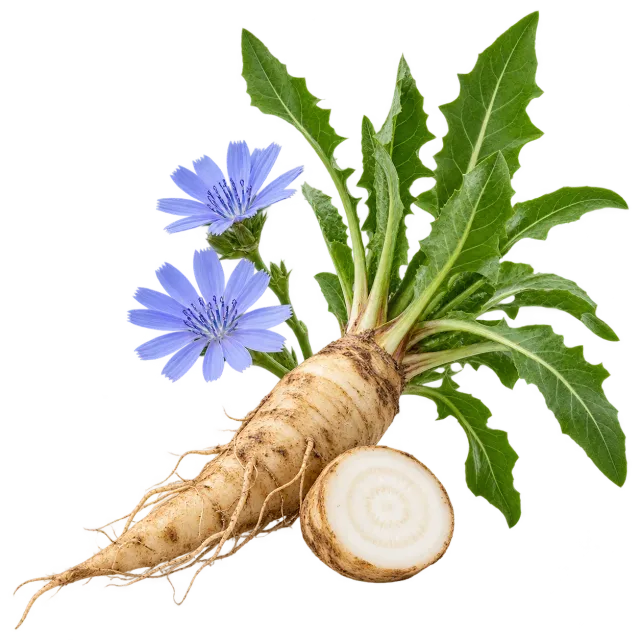
Chicory
Plain caffeine-free chicory is not a known poison for dogs or cats. There is no reason to offer it deliberately: inulin and other fermentable fibres may cause gas and diarrhoea. A chicory blend containing coffee must be assessed as a caffeinated product.
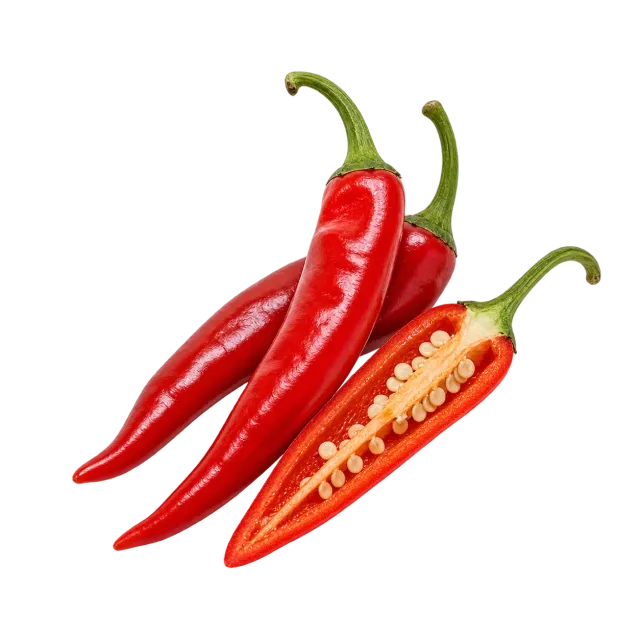
Chili pepper
Do not feed chili pepper to dogs or cats. Capsaicin irritates the mouth and gastrointestinal tract; powder, hot sauce and concentrates need separate caution.
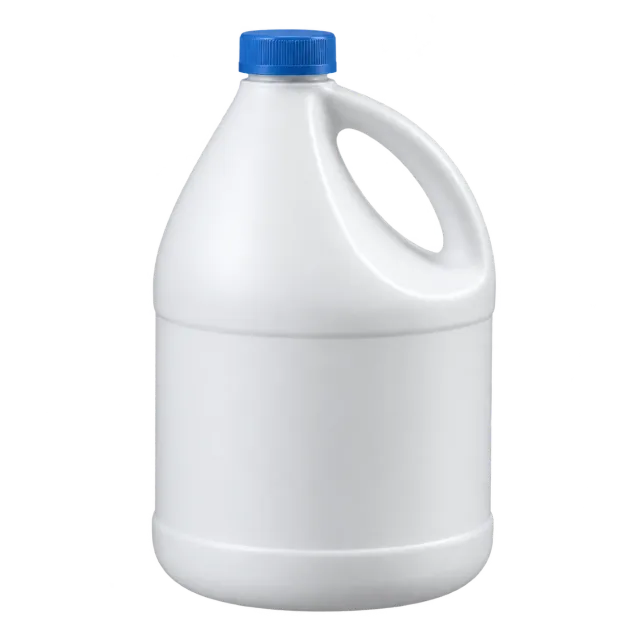
Chlorine bleach
Do not give chlorine bleach to a dog or cat. Diluted household solution more often causes irritation, while concentrates, dry chlorine products and fumes from mixing can burn tissue and injure the lungs.
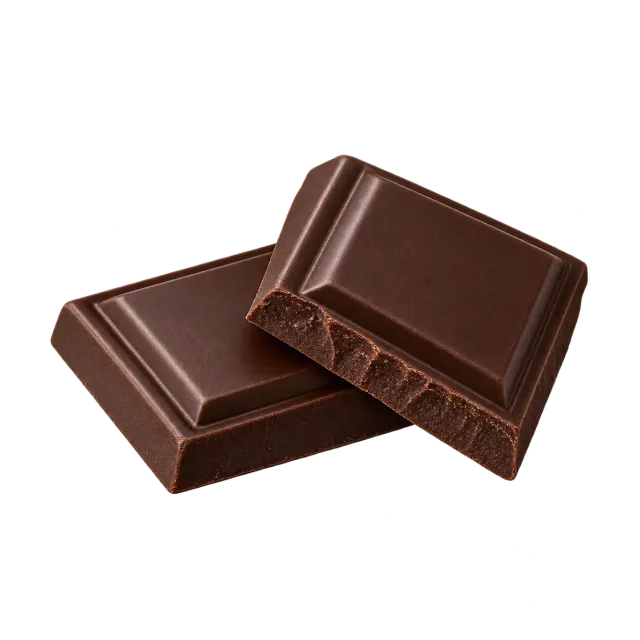
Chocolate
Chocolate is dangerous for dogs and cats. Risk depends on the ingredients, amount and pet’s weight. Call a vet immediately if eaten.
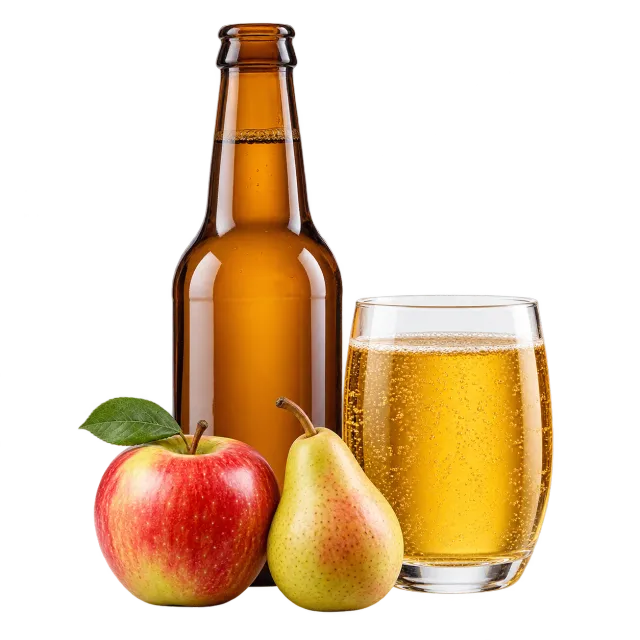
Cider
Do not give alcoholic cider to dogs or cats. Ethanol is absorbed quickly and can depress the brain, breathing and metabolism. Call the clinic immediately after ingestion rather than waiting for symptoms.