
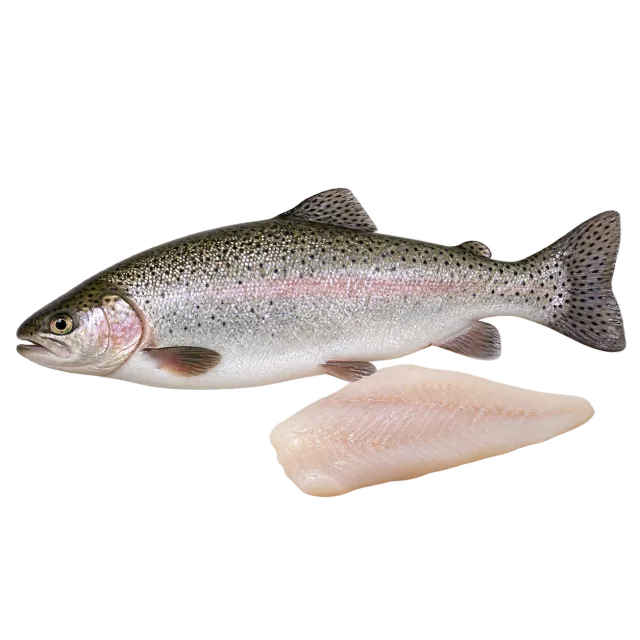
Already eaten — what now?
For dogs and cats
After a small piece of plain cooked boneless fillet, observation is usually enough. Call your vet promptly if a bone was swallowed, the dish contains onion or garlic, or your pet ate a large amount of very salty fish. Go to a clinic immediately for breathing difficulty, inability to swallow, repeated vomiting, severe weakness or seizures. Do not induce vomiting yourself. Report the fish type, ingredients, amount, time eaten and your pet’s weight.
Variants and ingredients
Cooked boneless filletFor dogs and cats: Acceptable
Boiled, steamed or baked fish with nothing added. This rating applies to a small treat for a healthy pet.
For dogs and cats
Conditions and restrictions
A healthy pet can occasionally have a little thoroughly cooked fillet without bones, salt, oil or seasoning. Let it cool and flake it with your fingers. Fish does not replace a complete diet. Check with your vet first if your pet follows a therapeutic diet or has reacted to fish before.
Benefits
Fish provides protein. A small piece can be a treat if it suits your pet.
Risks
- Small bones can remain even in a fillet.
- Large portions and replacing regular food with fish unbalance the diet. An individual food reaction is possible.
Already eaten — what now?
A small plain boneless piece usually needs no special action. Contact your vet for vomiting, diarrhoea or unusual behaviour; breathing or swallowing difficulty needs immediate care.
Raw and undercooked fishFor dogs and cats: Dangerous
Includes thawed fish and raw fish in sushi or sashimi. Removing bones does not remove the risk.
For dogs and cats
Conditions and restrictions
Do not feed raw or undercooked fish. Freezing, drying and cold smoking do not replace thorough cooking or guarantee removal of every risk.
Benefits
There is no proven advantage over cooked fish.
Already eaten — what now?
Remove the leftovers and ask your vet how to monitor your pet, especially if the fish’s origin is unknown or infection was possible. Discuss the whole diet if raw fish has been a regular food. Seek veterinary care for vomiting, diarrhoea, loss of appetite or lethargy; go immediately for unsteadiness, seizures or breathing difficulty. Mention the raw fish even if signs develop later. Do not give dewormers or antibiotics yourself.
For dogs
Risks
- Bacterial infections and parasites are possible.
- Thiaminase in some fish breaks down vitamin B1; a regular unbalanced fish diet can cause deficiency in dogs.
- Dogs can develop salmon poisoning disease after infected raw fish. This is a regional risk described mainly in the Pacific Northwest of North America; it does not mean all trout in Armenia is infected.
For cats
Risks
- Bacterial infections and parasites are possible.
- Thiaminase in some fish breaks down vitamin B1. Deficiency is particularly well documented in cats on unbalanced diets and can damage the nervous system.
Fish with bones, heads and backbonesFor dogs and cats: Dangerous · Urgent help needed
Raw or cooked parts containing hard bones, including preparation scraps.
For dogs and cats
Conditions and restrictions
Do not feed heads, backbones or bony pieces. Keep fish scraps out of reach.
Benefits
Choose deboned fillet for a treat; bones are unnecessary.
Risks
- A bone can lodge in the oesophagus, damage its wall or cause an obstruction.
Already eaten — what now?
Call your vet promptly if you know or suspect that a bone was swallowed. Drooling, gagging, repeated swallowing or regurgitation need urgent examination. Go immediately for choking or inability to swallow. Do not induce vomiting or try to push the bone down with bread or other food.
Salted, smoked and dried fishFor dogs and cats: With restrictions
Salted herring, cured salmon, dried fish and similar snacks. Salt content and processing vary.
For dogs and cats
Conditions and restrictions
Choose plain cooked fillet for planned treats. This variant mainly addresses an accidental small piece without bones, onion or garlic. If the fish was not thoroughly heat treated, also apply the red raw-fish assessment.
Benefits
There is no advantage over plain cooked fillet.
Risks
- Excess salt can dangerously raise blood sodium. Risk depends on the amount, concentration and access to water.
- Bones and inadequate processing create separate risks.
Already eaten — what now?
After one small piece without bones or hazardous ingredients, leave fresh water available and observe. Call your vet promptly for a large or unknown amount of very salty fish or ingestion of brine. Unusual thirst, vomiting or weakness need veterinary advice; go immediately for unsteadiness, tremors or seizures. Do not force water or induce vomiting.
Canned fish in oil or brineFor dogs and cats: With restrictions
Fish canned for people, including tuna and sardines. This is not complete pet food.
For dogs and cats
Conditions and restrictions
Do not use these cans as a regular diet. For an occasional treat, fish canned in water without added salt, oil, sauce or bones is a simpler choice. Draining oil or brine does not make the fish salt-free or fat-free. Check all ingredients.
Benefits
Fish provides protein. A small piece can be a treat if it suits your pet.
Risks
- Oil adds fat and calories; a large portion may upset the stomach.
- Brine adds salt. Sauces may contain onion or garlic; hard bones need a separate assessment.
- A diet of canned fish for people does not meet all a dog’s or cat’s nutritional needs.
Already eaten — what now?
After one small piece without bones or hazardous ingredients, leave fresh water available and observe. Call your vet promptly for a large or unknown amount of very salty fish or ingestion of brine. Unusual thirst, vomiting or weakness need veterinary advice; go immediately for unsteadiness, tremors or seizures. Do not force water or induce vomiting.
Fish with onion or garlicFor dogs and cats: Dangerous · Urgent help needed
Fish dishes, marinades and sauces containing these ingredients, including powders.
For dogs and cats
Conditions and restrictions
Do not feed fish with onion, garlic or their powders. Boiling and baking do not remove this hazard.
Benefits
These additions provide no necessary benefit for your pet.
Already eaten — what now?
Contact your vet promptly even if your pet still looks well. Report the ingredients, amount, time and weight; keep the packaging. Weakness, pale gums, rapid breathing or dark urine need urgent examination. Do not induce vomiting or give home treatments.
For dogs
Risks
- Onion and garlic damage red blood cells and can cause anaemia. Signs may take several days to appear.
For cats
Risks
- Onion and garlic damage red blood cells and can cause anaemia. Cats are particularly susceptible; signs may take several days to appear.
Conditions and risks
For dogs and cats
Conditions and restrictions
A healthy pet can occasionally have a little thoroughly cooked fillet without bones, salt, oil or seasoning. Let it cool and flake it with your fingers. Fish does not replace a complete diet. Check with your vet first if your pet follows a therapeutic diet or has reacted to fish before.
Benefits
Fish provides protein. A small piece can be a treat if it suits your pet.
Risks
- Bones can become lodged or injure the digestive tract.
- Raw fish can carry infections and parasites; an unbalanced fish diet can cause nutrient deficiencies.
- Salt, oil, onion and garlic change the assessment of a dish. A large portion can upset the stomach.
This card covers ordinary food fish such as trout, salmon, herring, tuna and sardines. Fish oil, roe, organs, spoiled fish and exotic poisonous species need separate assessment. Complete pet food containing fish is assessed by its whole formulation.
Fish fillet and canned fish for people do not provide a complete diet. If you want to prepare food at home, start with choosing food and working out portions and discuss the recipe with a veterinary nutritionist.
For salted fish, assess the amount and concentration of salt; an accidental small bite and a whole pack of dried fish need different responses. If several variants apply, consider every relevant risk.
Sources
- UC Davis School of Veterinary Medicine: Salmon Poisoning Disease in Dogs (2025)
- Cats Protection: Feeding your cat, treats and special diets
- WSAVA Global Nutrition Committee: Raw Meat Based Diets For Pets
- MSD Veterinary Manual: Thiamine deficiency in animals
- Understanding and mitigating thiaminase activity in silver carp (2023), experimental study
- MSD Veterinary Manual: Esophageal foreign bodies in small animals
- MSD Veterinary Manual: Salt toxicosis in animals
- Merck Veterinary Manual: Garlic and onion (Allium spp) toxicosis in animals
- ASPCA Animal Poison Control: Is it ever safe to induce vomiting?
Comments
No comments yet.