
What can they eat?
Food, plants, medicines and household substances: a safety guide for dogs and cats.
Understanding the assessments
The colour indicates acceptability under the conditions described. Benefits, restrictions and actions after ingestion are explained separately for each animal.
Results: 138
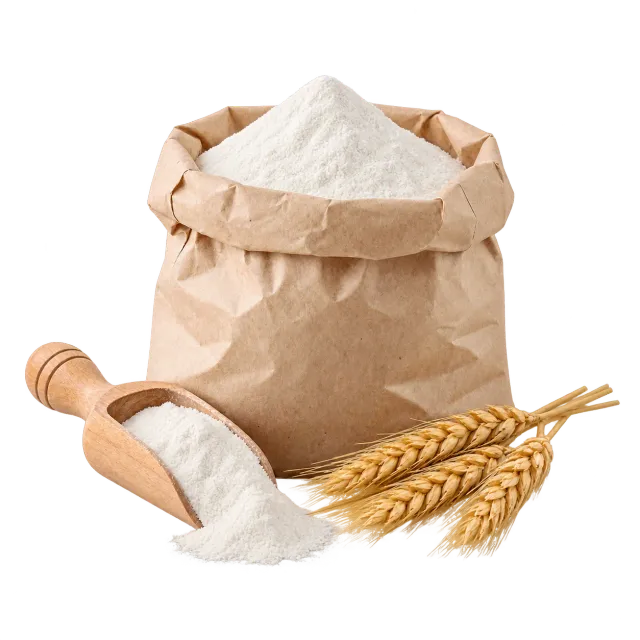
Flour
A small amount of plain flour does not usually poison a dog or cat, but there is no reason to offer it deliberately. Raw flour, yeast dough, mold and added ingredients need separate assessment.
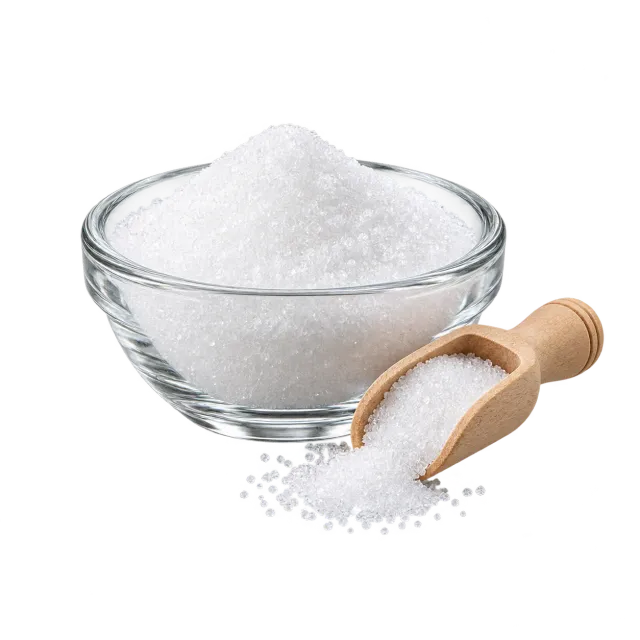
Fructose
Fructose is not a known poison for dogs or cats, but there is no reason to offer it on its own. A small accidental amount of plain fructose usually calls for observation; a large amount may upset the gut. Assess mixtures by their full ingredient list.
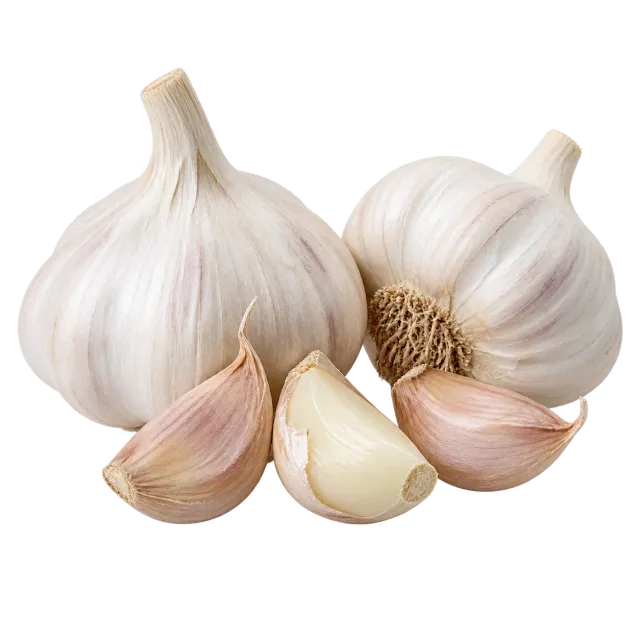
Garlic
Garlic is dangerous for dogs and cats whether raw, cooked or dried. It can damage red blood cells, and signs of anaemia may not appear for several days.
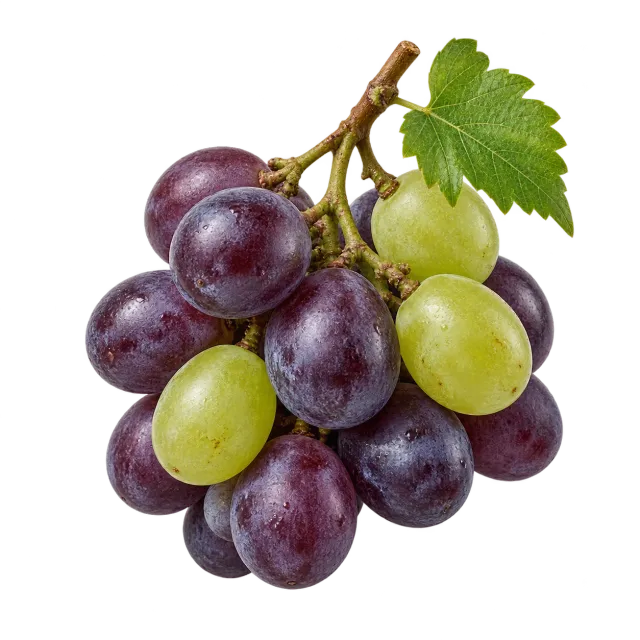
Grapes
Dogs and cats must not eat grapes or raisins. They can cause acute kidney injury in dogs; evidence in cats is thinner, but recent findings do not support treating them as safe.
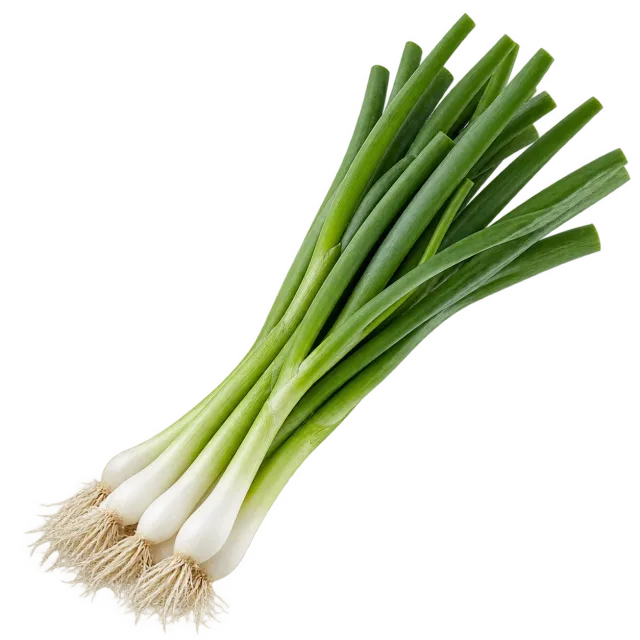
Green onion
Do not feed green onion to dogs or cats. Both the white base and green leaves are Allium tissue and can damage red blood cells; signs may not appear for several days.
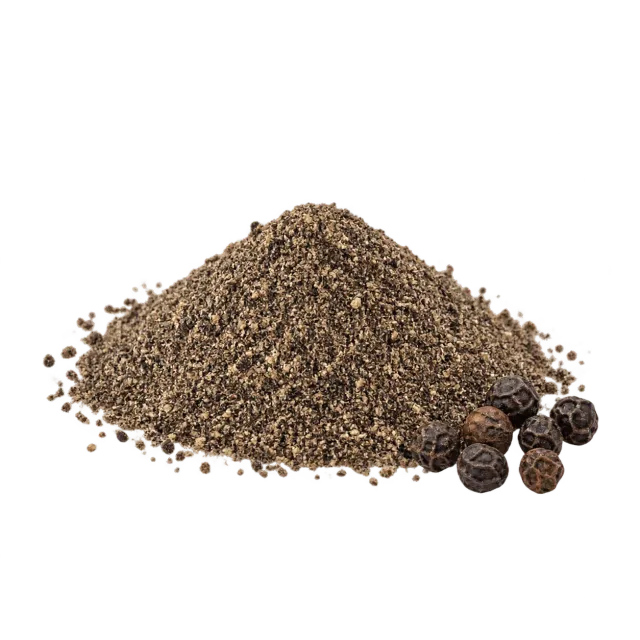
Ground black pepper
Dogs and cats do not need black pepper added to their food. A trace in an otherwise safe dish usually calls for observation, while a noticeable or unknown amount, airborne powder and seasoning blends need a separate assessment.
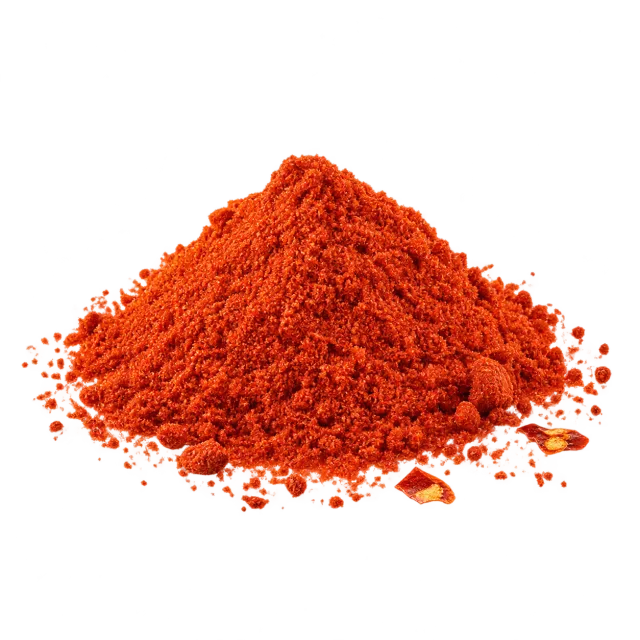
Ground red pepper
Do not deliberately feed ground red pepper to dogs or cats. Sweet paprika is usually less irritating than hot chilli or cayenne, while a seasoning blend must be judged from its full ingredient list.
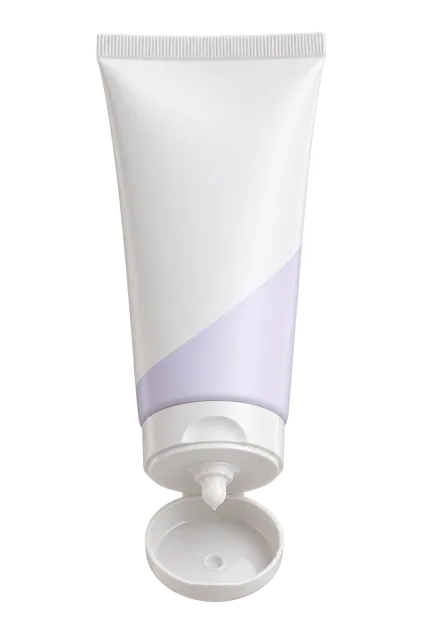
Hand cream
Do not offer ordinary non-medicated hand cream to a dog or cat. One small accidental lick usually causes no more than mild stomach upset. A larger amount, swallowed packaging or a hazardous ingredient changes the urgency.
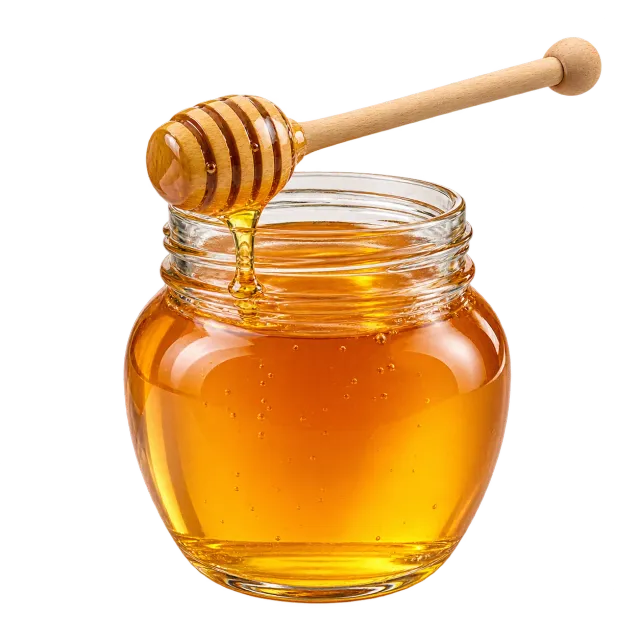
Honey
A small amount of plain honey does not usually poison a dog or cat, but it should not be a regular treat. Honey is a concentrated source of sugars. Products containing xylitol or alcohol need a separate assessment.
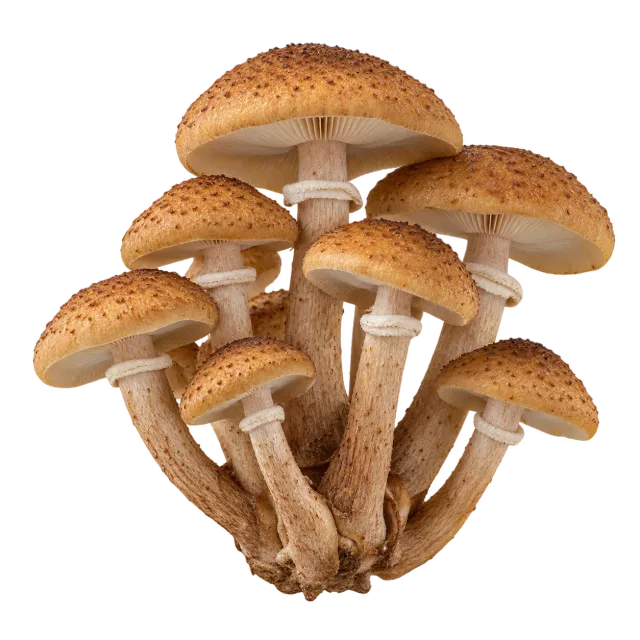
Honey mushrooms
Do not offer honey mushrooms to a dog or cat. A small amount of plain, fully cooked shop-bought mushrooms is not usually toxic, but Armillaria can still cause stomach upset and wild lookalikes may be deadly.
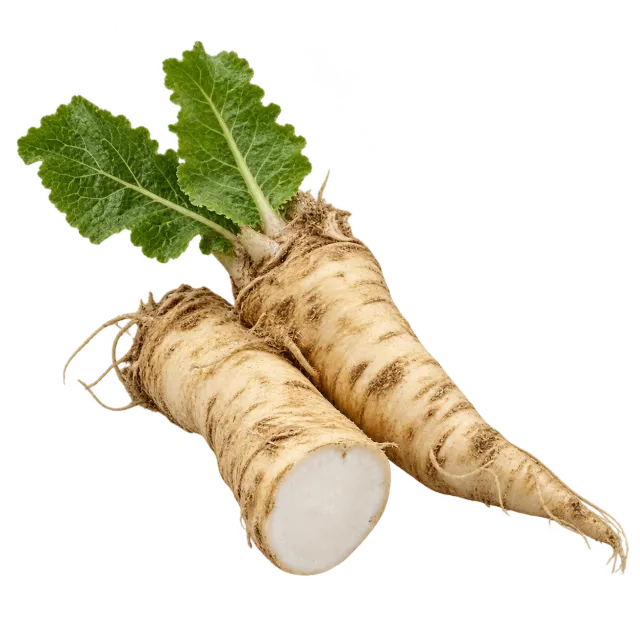
Horseradish
Do not feed horseradish to dogs or cats. Fresh and grated root releases pungent mustard oils that can irritate the mouth and digestive tract; prepared sauce needs a full ingredient check.
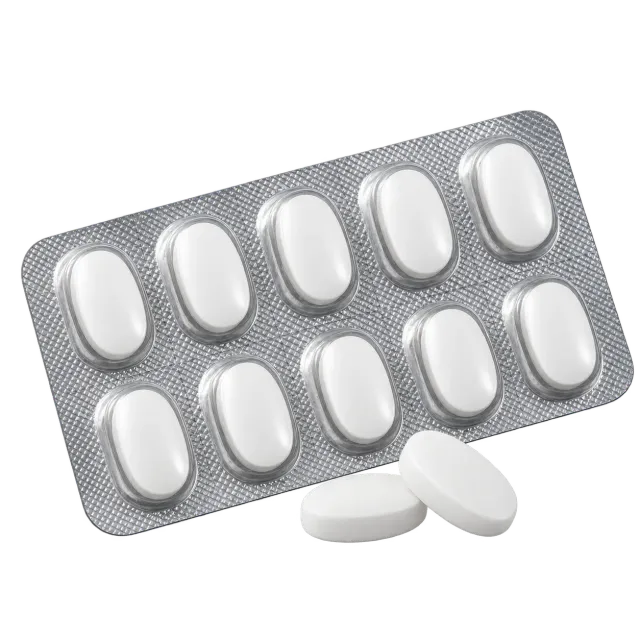
Ibuprofen
Ibuprofen is dangerous for dogs and cats and is not suitable for home treatment. Contact a veterinarian straight away after exposure to a tablet, oral liquid or topical gel.

Ice cream
It is better not to give ordinary ice cream to a dog or cat, even when it has no hazardous add-ins. It is fatty, sugary and may contain lactose. Chocolate, caffeine and xylitol need separate assessment.
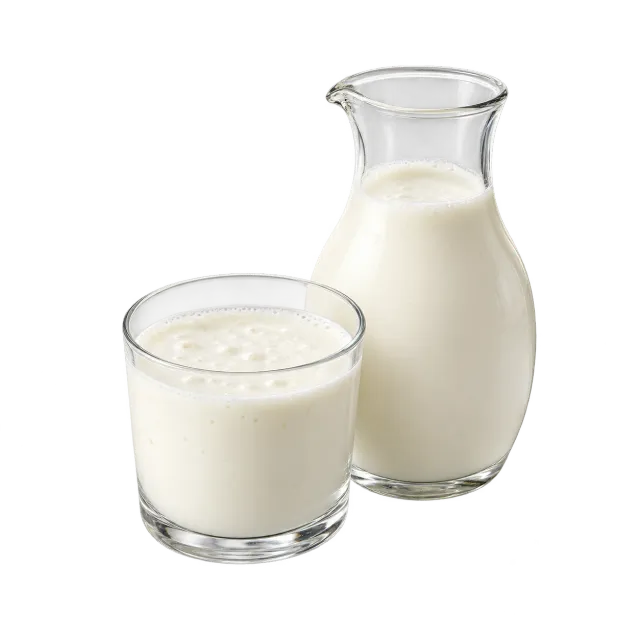
Kefir
Dogs and cats can have kefir only with restrictions: plain, made from pasteurised milk and well tolerated. It can cause diarrhoea and is not needed to treat digestive problems.
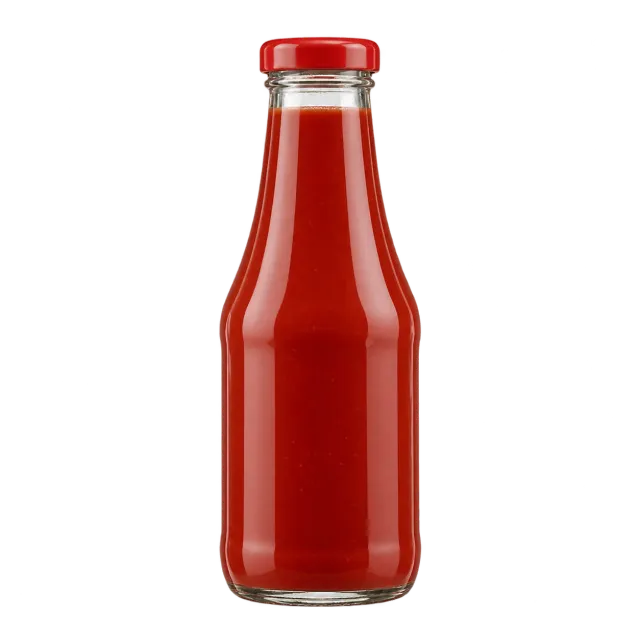
Ketchup
A small accidental lick of ordinary ketchup is usually not dangerous. Do not offer it deliberately: check the salt, onion, garlic and sweeteners.
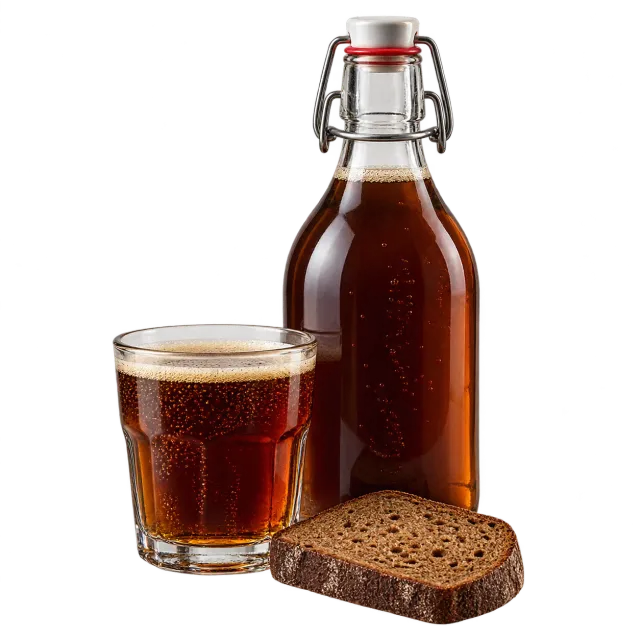
Kvass
Ordinary bread kvass may contain ethanol, so do not give it to dogs or cats. If the alcohol percentage is unknown or above 0.0%, call the clinic immediately after ingestion.
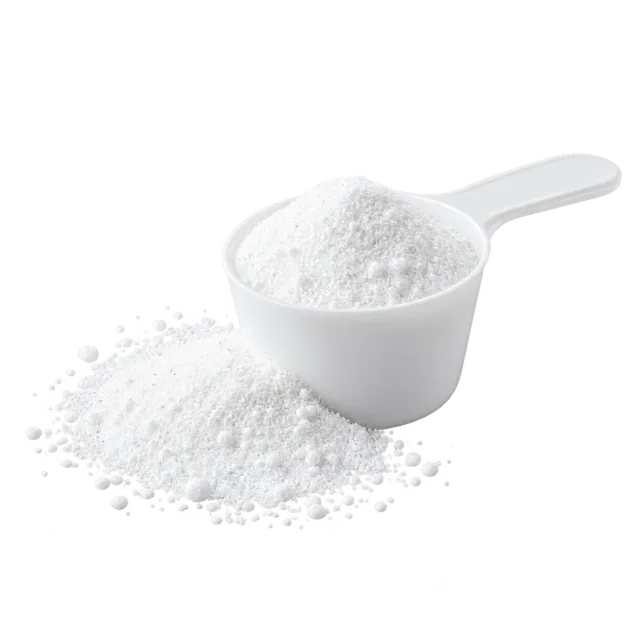
Laundry detergent powder
Do not give laundry detergent powder to a dog or cat. Even an ordinary powder can irritate the mouth and stomach, and foam or vomit may enter the airways. A product containing bleach or disinfectant needs a more urgent assessment.

Lavash
A small piece of plain baked lavash does not usually cause poisoning in a healthy dog or cat, but it offers no particular benefit. Raw yeast dough and moldy lavash are dangerous.