
Already eaten — what now?
For dogs and cats
Urgent help neededRemove access and call a veterinarian straight away. Report the species and weight, product form, labelled THC concentration, possible amount, time and signs. Keep the package or photograph the label. Do not induce vomiting or give food, milk, activated charcoal or medicine unless instructed. Leave for an open clinic immediately if the pet is very sleepy, cannot stand, has tremors or seizures, collapses or has trouble breathing.
Variants and ingredients
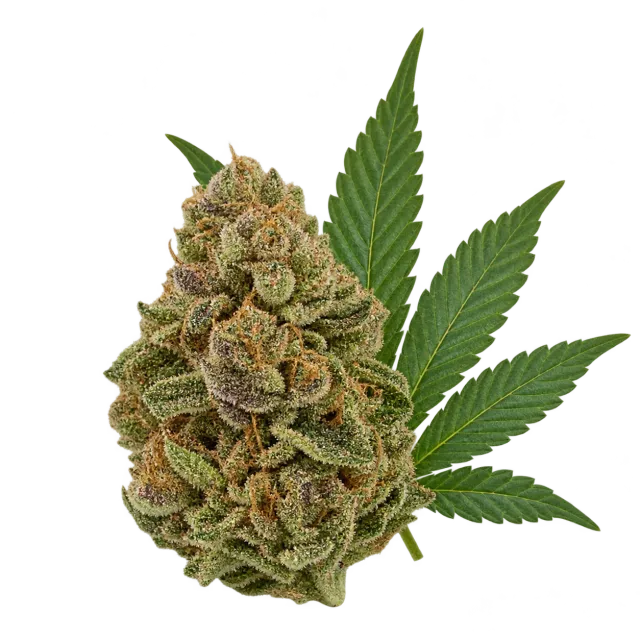
Plant material, resin or hashishFor dogs and cats: Dangerous · Urgent help needed
Fresh or dried plant parts and concentrated resin.
For dogs and cats
Conditions and restrictions
This includes fresh and dried leaves and flowers, used remnants, resin and hashish. Do not let a pet chew the plant or pick up discarded material outdoors.
Benefits
Do not deliberately give cannabis to a pet. THC products have no benefit that justifies household use.
Risks
- THC can cause poor coordination, lethargy or agitation, increased sensitivity to sound and touch, dilated pupils, drooling, vomiting and urinary incontinence.
- Heart rate, blood pressure and body temperature may change. Severe intoxication can involve tremors, seizures, respiratory depression, collapse or coma.
- THC concentration varies widely. Appearance does not reliably show the dose, and a human urine screening test can be falsely negative in an animal.
Already eaten — what now?
Remove access and call a veterinarian straight away. Report the species and weight, product form, labelled THC concentration, possible amount, time and signs. Keep the package or photograph the label. Do not induce vomiting or give food, milk, activated charcoal or medicine unless instructed. Leave for an open clinic immediately if the pet is very sleepy, cannot stand, has tremors or seizures, collapses or has trouble breathing.
THC edible food or drinkFor dogs and cats: Dangerous · Urgent help needed
Baked goods, sweets, gummies, butter or drinks with additional ingredients.
For dogs and cats
Conditions and restrictions
This includes THC baked goods, sweets, gummies, butter and drinks. The full ingredient list matters because chocolate, xylitol, raisins, caffeine, alcohol and a large amount of fat add separate risks.
Benefits
Do not deliberately give cannabis to a pet. THC products have no benefit that justifies household use.
Risks
- THC can cause poor coordination, lethargy or agitation, increased sensitivity to sound and touch, dilated pupils, drooling, vomiting and urinary incontinence.
- Heart rate, blood pressure and body temperature may change. Severe intoxication can involve tremors, seizures, respiratory depression, collapse or coma.
- THC concentration varies widely. Appearance does not reliably show the dose, and a human urine screening test can be falsely negative in an animal.
- An edible can contain a high or unevenly distributed THC dose. Other ingredients may need different treatment and increase the urgency.
Already eaten — what now?
Remove access and call a veterinarian straight away. Report the species and weight, product form, labelled THC concentration, possible amount, time and signs. Keep the package or photograph the label. Do not induce vomiting or give food, milk, activated charcoal or medicine unless instructed. Leave for an open clinic immediately if the pet is very sleepy, cannot stand, has tremors or seizures, collapses or has trouble breathing.
Oil, extract, concentrate or vape liquidFor dogs and cats: Dangerous · Especially dangerous
Concentrated forms and liquids with a high or unknown THC content.
For dogs and cats
Conditions and restrictions
This includes oils, tinctures, extracts, dabs, wax, shatter and vape liquids. They can contain far more THC than plant material. Do not wait for signs, even when the swallowed amount or spill on the coat looks small.
Benefits
Do not deliberately give cannabis to a pet. THC products have no benefit that justifies household use.
Risks
- THC can cause poor coordination, lethargy or agitation, increased sensitivity to sound and touch, dilated pupils, drooling, vomiting and urinary incontinence.
- Heart rate, blood pressure and body temperature may change. Severe intoxication can involve tremors, seizures, respiratory depression, collapse or coma.
- THC concentration varies widely. Appearance does not reliably show the dose, and a human urine screening test can be falsely negative in an animal.
Already eaten — what now?
Call a veterinarian immediately and prepare to travel to an open clinic. Do not let the pet lick a spill from the coat; wear gloves and follow veterinary instructions for removing it. Take the package or a photograph of the label. Do not induce vomiting or give anything by mouth without direct instruction.
Smoke or vapourFor dogs and cats: Dangerous · Urgent help needed
Second-hand cannabis smoke or aerosol exposure indoors.
For dogs and cats
Conditions and restrictions
Do not smoke or vape around a pet. Move the animal out of a smoky room into fresh air without unnecessary exertion. Do not expose the pet again to test its reaction.
Benefits
Do not deliberately give cannabis to a pet. THC products have no benefit that justifies household use.
Risks
- THC in smoke or aerosol can cause intoxication, especially in a small, poorly ventilated room.
- Smoke and aerosol irritate the airways. Effects may be more serious in a pet with lung, heart or airway disease.
Already eaten — what now?
Move the pet into fresh air and call a veterinarian. Coughing, unusual sleepiness, poor coordination, repeated vomiting or changed behaviour needs prompt assessment. Breathing difficulty, blue mucous membranes, seizures or collapse requires immediate travel to an open clinic.
Conditions and risks
For dogs and cats
Conditions and restrictions
Do not offer it and keep every form out of reach. This rating covers THC-containing cannabis and products with an unknown THC content. Smell, piece size or the word CBD on a label cannot establish safety.
Benefits
Do not deliberately give cannabis to a pet. THC products have no benefit that justifies household use.
Risks
- THC can cause poor coordination, lethargy or agitation, increased sensitivity to sound and touch, dilated pupils, drooling, vomiting and urinary incontinence.
- Heart rate, blood pressure and body temperature may change. Severe intoxication can involve tremors, seizures, respiratory depression, collapse or coma.
- THC concentration varies widely. Appearance does not reliably show the dose, and a human urine screening test can be falsely negative in an animal.
This card covers cannabis and products containing tetrahydrocannabinol (THC), as well as products with an unknown THC content. Food-grade hemp seeds and hempseed oil without cannabinoids are outside its scope. A CBD or hemp label does not prove that a product is THC-free; check the full ingredients and the product-specific laboratory analysis separately.
Check every ingredient in an edible. Chocolate and xylitol need separate assessment, and a large amount of fatty butter or icing can add problems. For a chocolate baked product, also open the chocolate card.
Sources
- Merck Veterinary Manual: Toxicosis in Dogs and Cats From Tetrahydrocannabinol (THC)
- FDA: Regulation of Cannabis and Cannabis-Derived Products, Including Cannabidiol (CBD)
- Binagia et al. (2024): Clinical findings in 223 dogs with marijuana/THC toxicity
- Amissah et al. (2022): Prevalence and characteristics of cannabis-induced toxicoses in pets
- Janeczek et al. (2018): Marijuana intoxication in a cat
- ASPCA: Toxic and Non-toxic Plants, Marijuana
- Cornell University College of Veterinary Medicine: Cannabis (THC) intoxication in dogs
Comments
No comments yet.