
Food and drinks
Food, plants, medicines and household substances: a safety guide for dogs and cats.
Understanding the assessments
The colour indicates acceptability under the conditions described. Benefits, restrictions and actions after ingestion are explained separately for each animal.
Results: 101
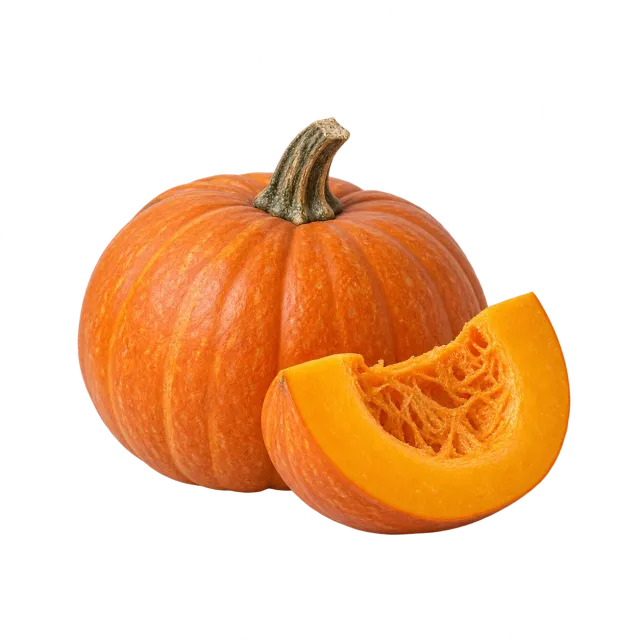
Pumpkin
Dogs and cats can have a little cooked pumpkin flesh without additions. Remove the rind, stem and seeds. Pumpkin does not replace treatment for constipation or diarrhoea; filled dishes need an ingredient check.
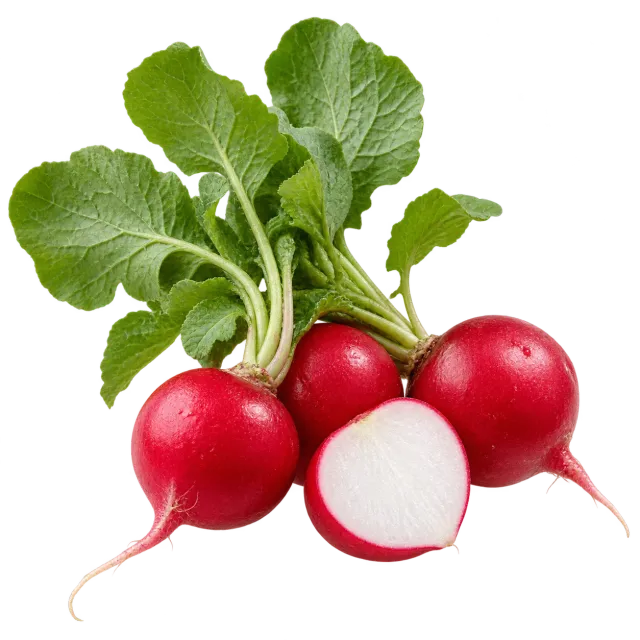
Radish
Dogs and cats should have only a little plain radish cut into small pieces. A whole root can lodge in the throat or gut, and pickles or salads must be checked for onion, garlic and salt.
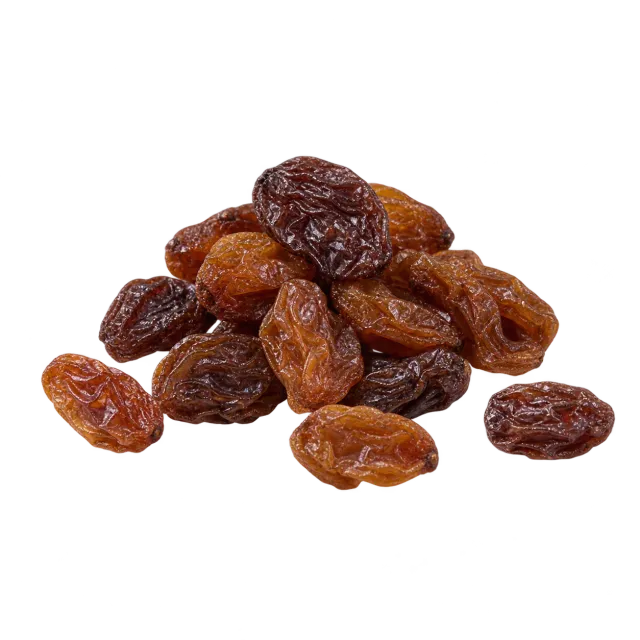
Raisins
Do not give raisins to dogs or cats. They can damage dogs’ kidneys and are also treated as potentially dangerous to cats, although published evidence in cats is more limited. If your pet ate raisins, call a veterinarian straight away.
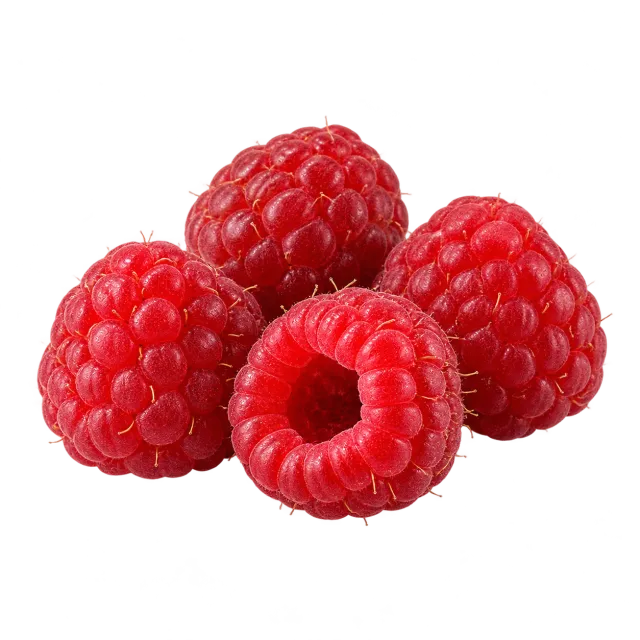
Raspberries
Dogs and cats may have a little ripe raspberry with no additions. Wash and mash the berries; thaw frozen ones first. Jam needs a separate assessment, and added xylitol is dangerous for dogs.
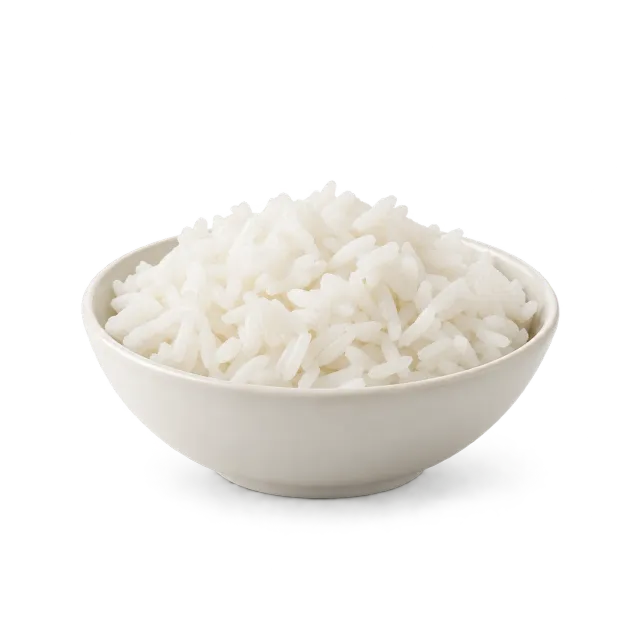
Rice
Dogs and cats may have a little fully cooked rice with no salt, fat or seasoning. Rice does not replace a complete diet. Check every ingredient in pilaf and other dishes: onion and garlic are dangerous.
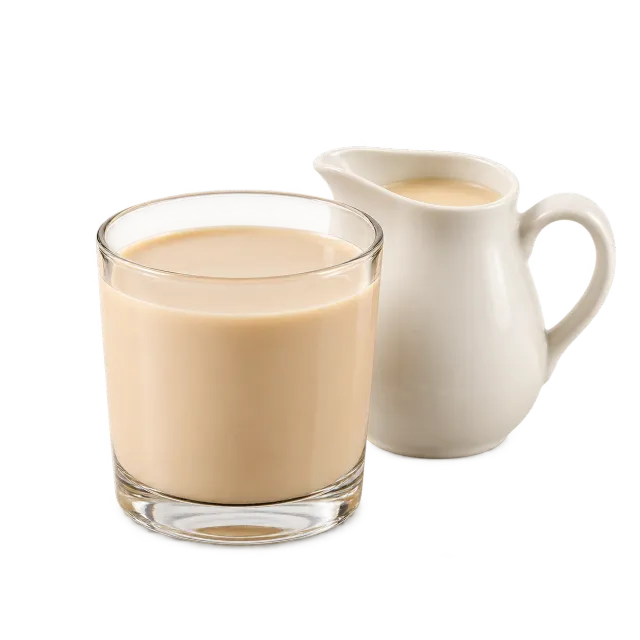
Ryazhenka
Dogs and cats can have ryazhenka only with restrictions: plain, made from pasteurised milk and well tolerated. It can cause diarrhoea and is not needed to treat digestive problems.
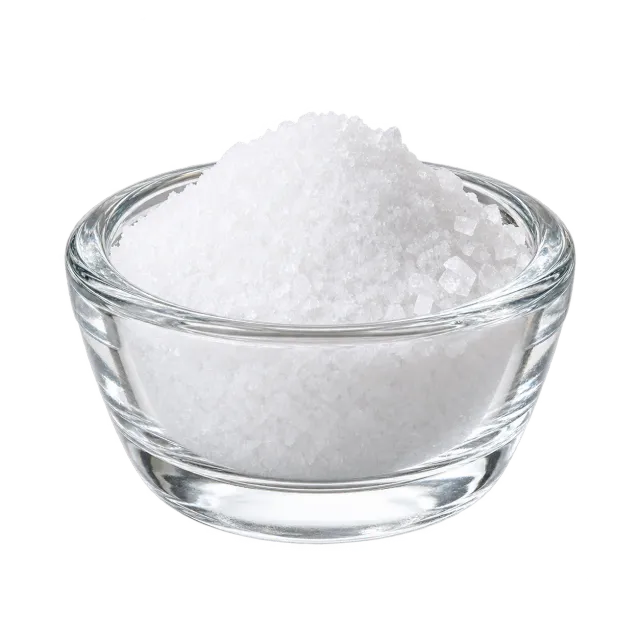
Salt
A small amount of salt in complete pet food is normal, but pets do not need extra salt added to meals. Excess salt, brine, seawater and salt dough can cause a dangerous rise in blood sodium.

Sausage
Sausage should not be a routine treat for dogs or cats. One small piece of a cooked product with known ingredients usually needs observation only, but raw sausage, onion, garlic and swallowed packaging are dangerous.

Sausages
Sausages are not suitable as regular treats for dogs or cats. One small piece of a fully cooked product with known ingredients has a yellow rating; onion, garlic, raw meat or a large piece changes the decision.
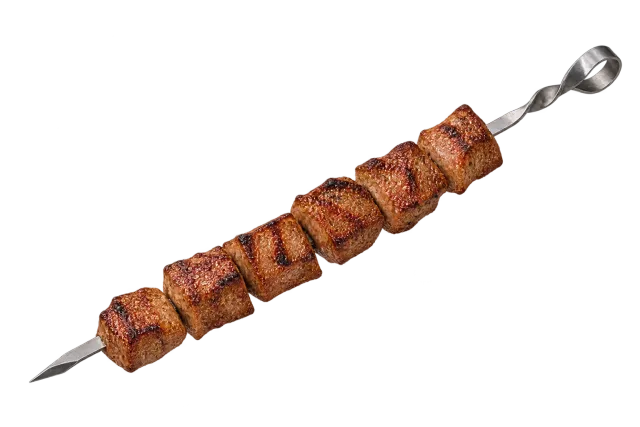
Shashlik
A dog or cat may have only a small piece of thoroughly cooked lean meat with no bone, fat, salt, onion, garlic or sauce. Ordinary shashlik needs to be assessed by its ingredients first.
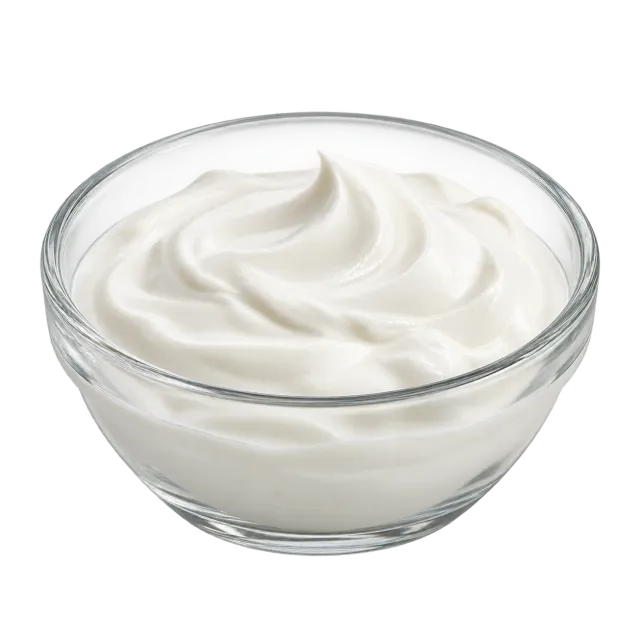
Sour cream
Plain pasteurised sour cream is not poisonous, but its lactose, fat and calories make it a poor choice for dogs and cats. Sour cream containing onion or garlic is dangerous.
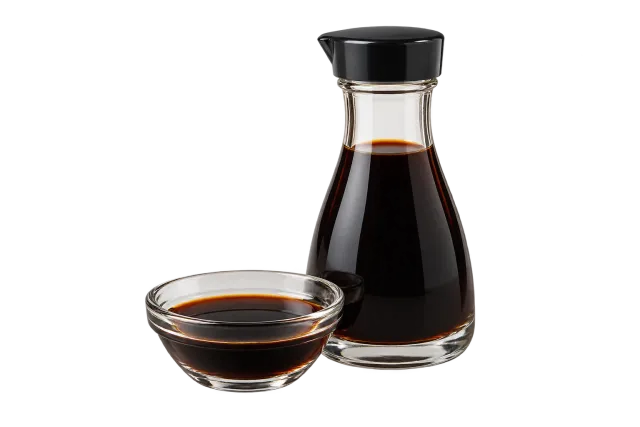
Soy sauce
Do not feed soy sauce to dogs or cats. It is high in sodium, and prepared marinades may contain onion or garlic. One accidental lick of plain sauce usually calls for observation, while a large or unknown amount needs veterinary advice.
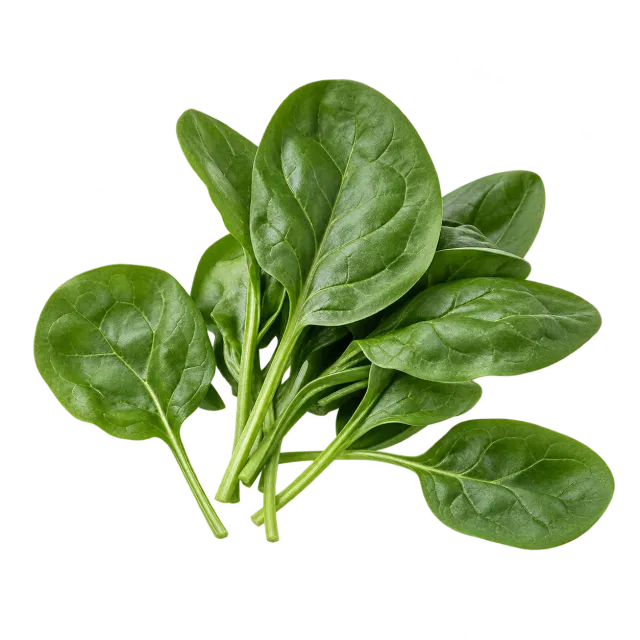
Spinach
Dogs and cats may occasionally have a little plain spinach. Avoid it with calcium oxalate stones; other kidney disease or a prescribed diet needs veterinary advice first. Dishes with onion or garlic are dangerous.
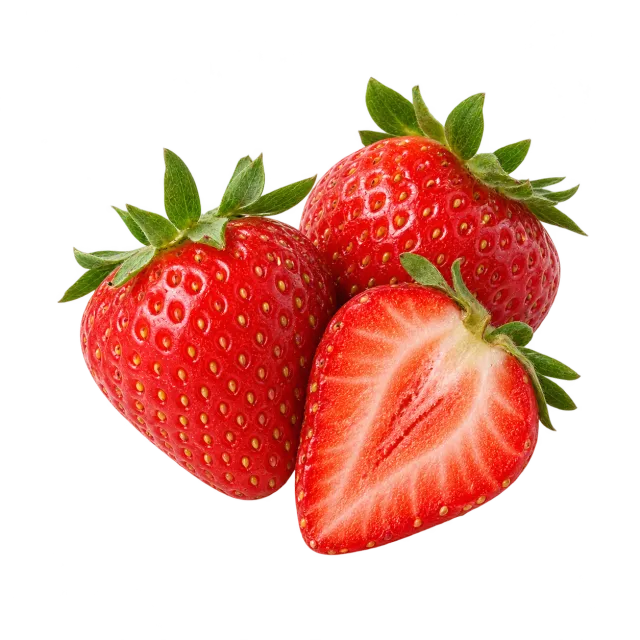
Strawberry
Dogs and cats can have a little ripe, plain strawberry. Wash it, remove the leafy top and cut it into small pieces. Jam and desserts need a separate assessment.
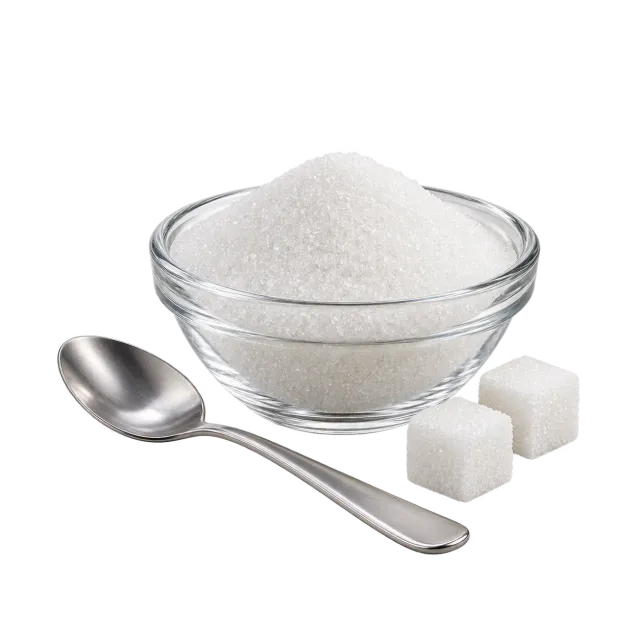
Sugar
Ordinary table sugar is not poisonous to dogs or cats, but there is no reason to offer it as a treat. Sugar-free products need a separate check because xylitol is extremely dangerous to dogs.
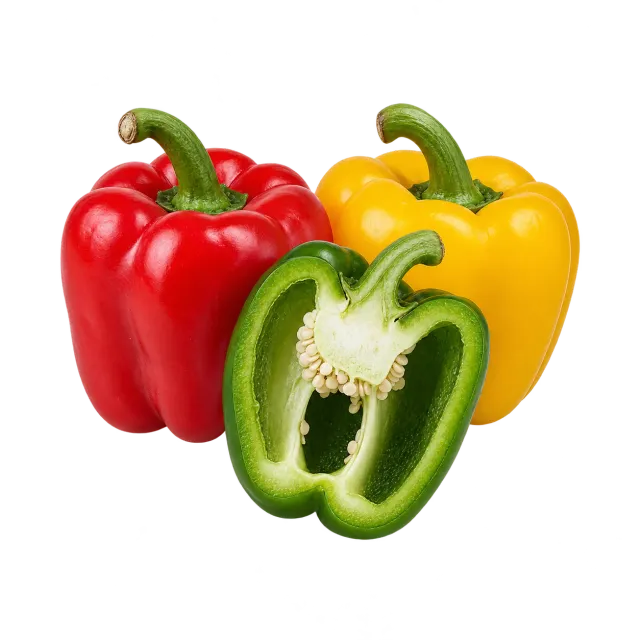
Sweet bell pepper
Dogs and cats may have a little plain sweet bell pepper. Remove the stalk and core and cut the flesh small. Whole peppers and large pieces need caution, while dishes containing onion or garlic are dangerous.
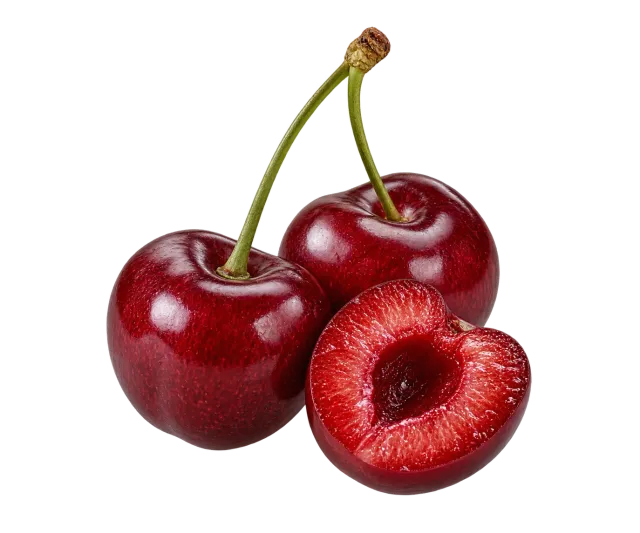
Sweet cherry
Dogs and cats may have a little ripe sweet cherry flesh with the pit and fruit stem removed. The pit can cause an obstruction, while a damaged kernel, fruit stems, leaves and twigs are hazardous because of cyanogenic compounds.
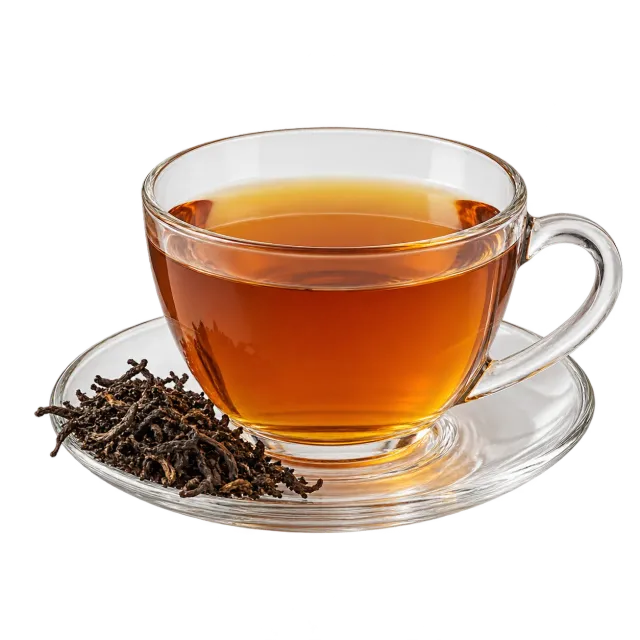
Tea
Do not offer ordinary tea to a dog or cat. They do not need caffeine, and enough of it can cause poisoning. A few licks of plain tea without symptoms usually call for observation, while dry leaves, a tea bag, matcha or an unknown amount warrant a call to the clinic.