
Food and drinks
Food, plants, medicines and household substances: a safety guide for dogs and cats.
Understanding the assessments
The colour indicates acceptability under the conditions described. Benefits, restrictions and actions after ingestion are explained separately for each animal.
Results: 101
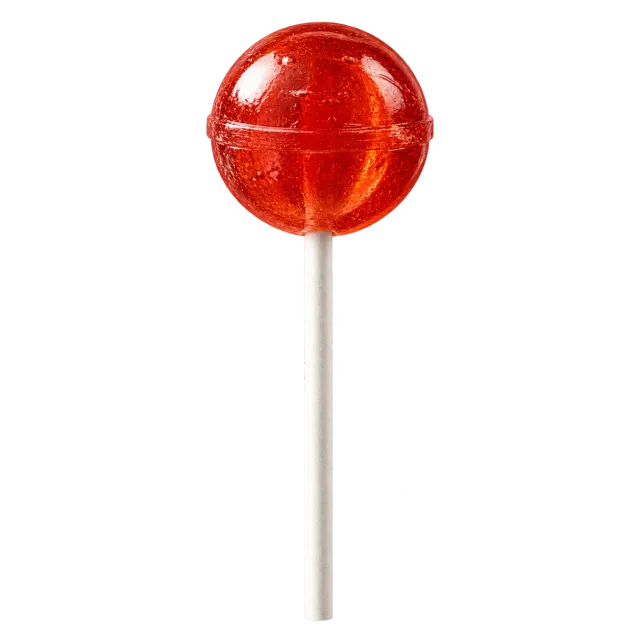
Lollipop
A plain lollipop is not poisonous, but dogs and cats do not need it. Hard candy can cause choking, and the ingredients can change the risk completely. Xylitol is especially dangerous to dogs; the stick and wrapper are not edible.
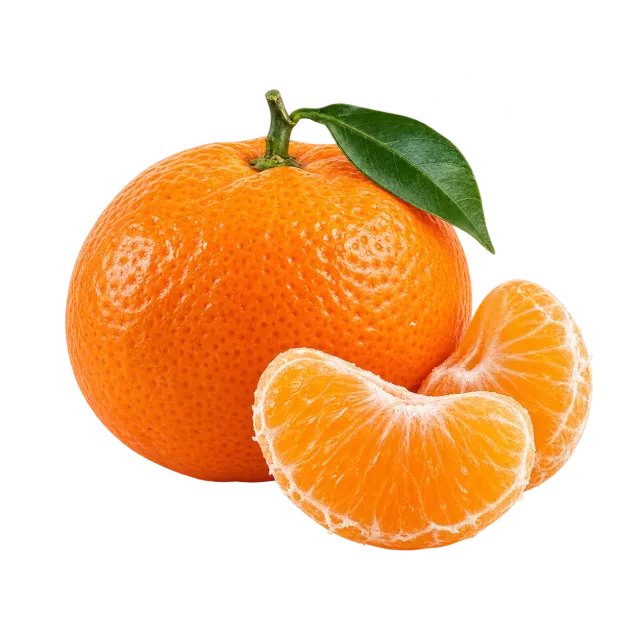
Mandarin
A healthy dog or cat may have a little peeled mandarin flesh if they like it. Do not offer the peel, leaves or essential oil.
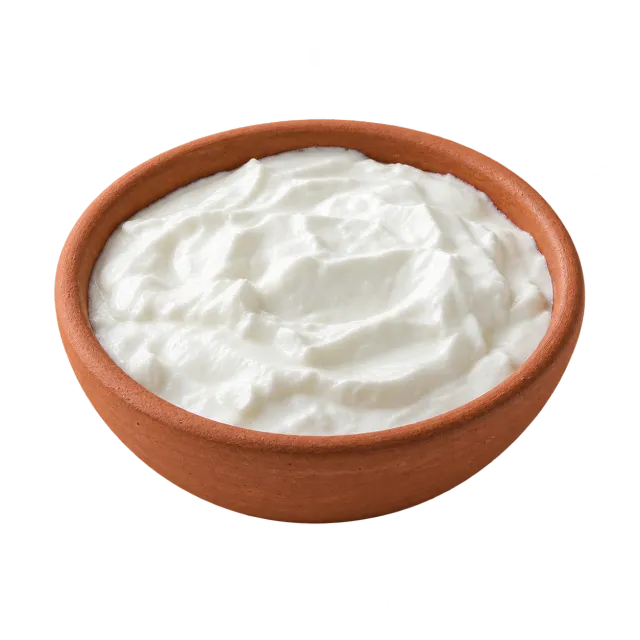
Matsun
A dog that tolerates dairy may occasionally have a little plain matsun. Choose a different treat for a cat. Matsun with garlic or onion is dangerous for both species.
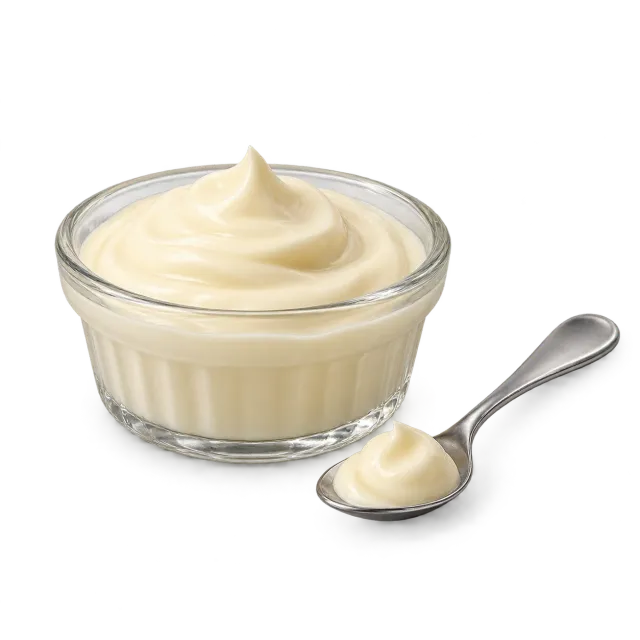
Mayonnaise
Plain mayonnaise is not considered poisonous to dogs or cats, but it is a very fatty, calorie-dense sauce with no benefit they need. Do not offer it deliberately. Mayonnaise containing onion or garlic is dangerous.
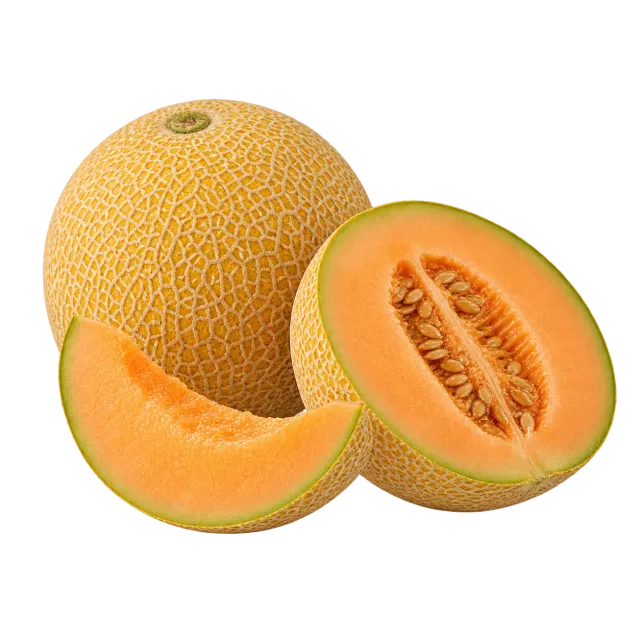
Melon
Dogs and cats may have a little fresh melon flesh without rind or seeds. Rind and large pieces can cause choking or obstruction, while spoiled fruit may cause poisoning.
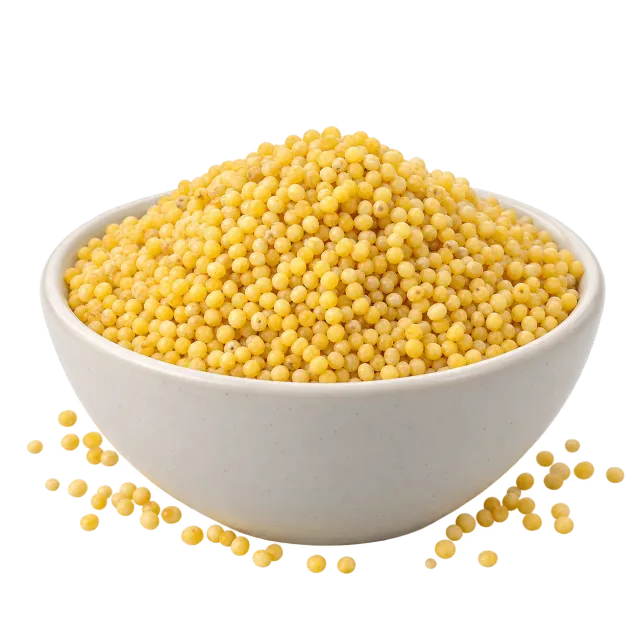
Millet
A dog may have a little soft millet cooked in water with no additions. Direct evidence for millet in cats is limited, so it is better not to offer it deliberately. Porridge does not replace a complete diet for either species, and onion or garlic makes the dish dangerous.
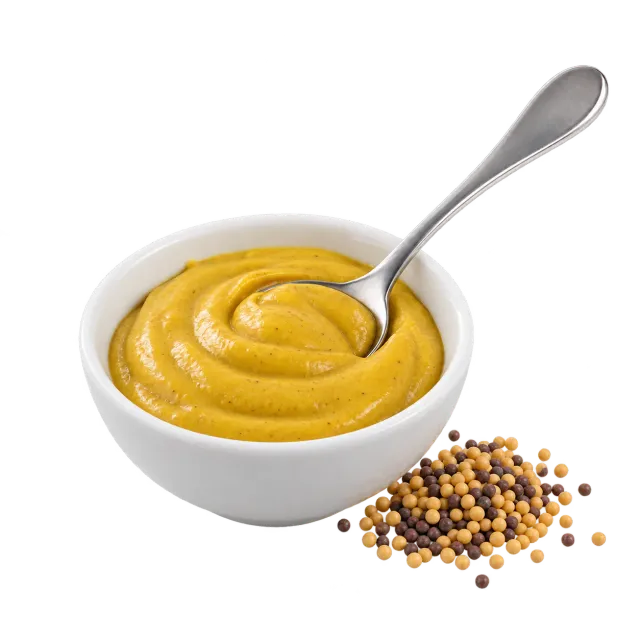
Mustard
Do not deliberately feed mustard to dogs or cats. It can irritate the mouth and gastrointestinal tract, while dry powder also poses an inhalation hazard. A tiny trace usually calls for observation; powder or a noticeable or unknown amount warrants a call to a veterinarian.
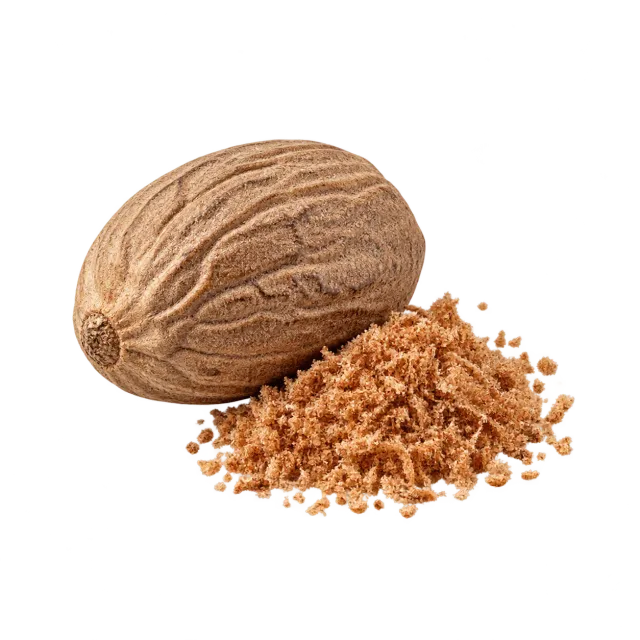
Nutmeg
Do not deliberately feed nutmeg to dogs or cats. A pinch used in cooked food rarely causes severe poisoning, but loose powder, a whole seed or concentrated oil needs prompt risk assessment.
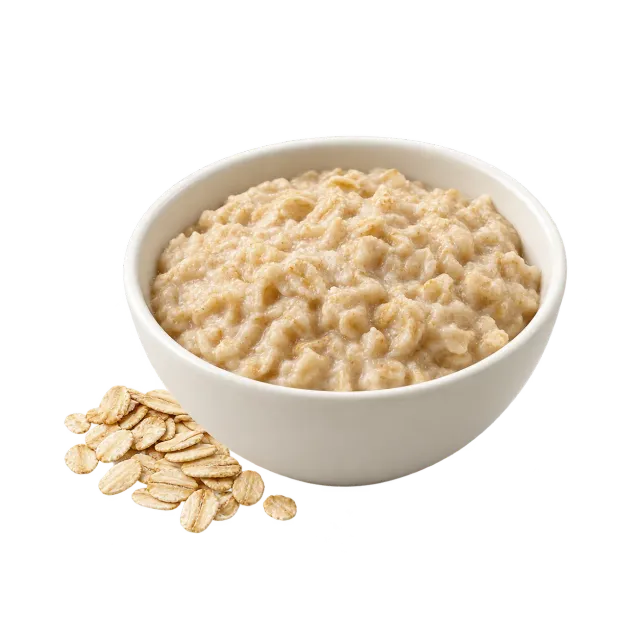
Oatmeal
A little plain oatmeal cooked in water can be an occasional treat for a dog or cat. Dry flakes and oatmeal with added ingredients need caution, while raisins, chocolate, onion or garlic make the dish dangerous.
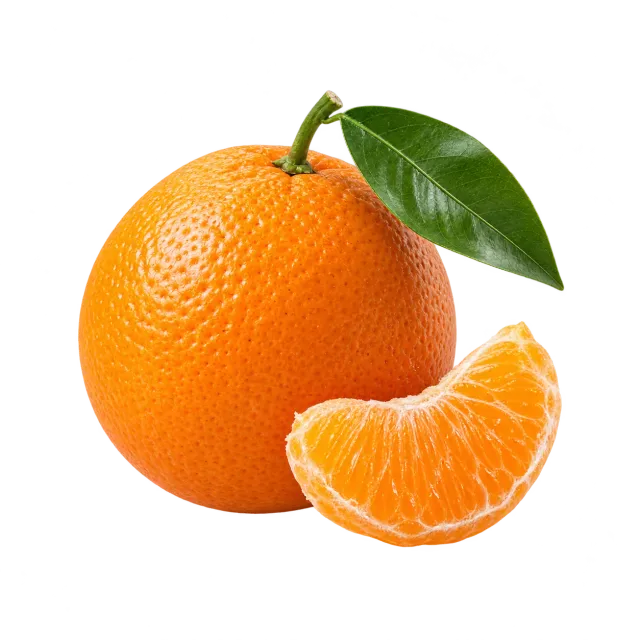
Orange
A healthy dog or cat may have a little peeled orange flesh if they are interested in it. Do not offer the peel, leaves or essential oil.
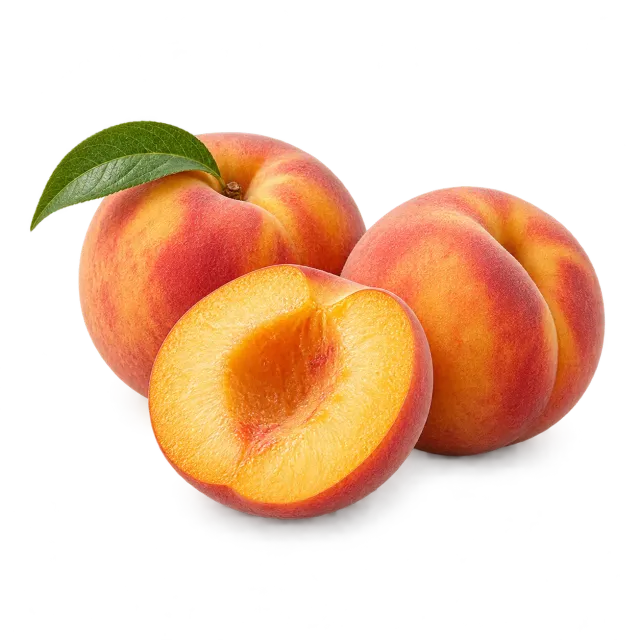
Peach
Dogs and cats may have a little ripe peach flesh with the pit removed. The pit can cause an obstruction, while a damaged kernel, leaves and twigs are hazardous because of cyanogenic compounds.
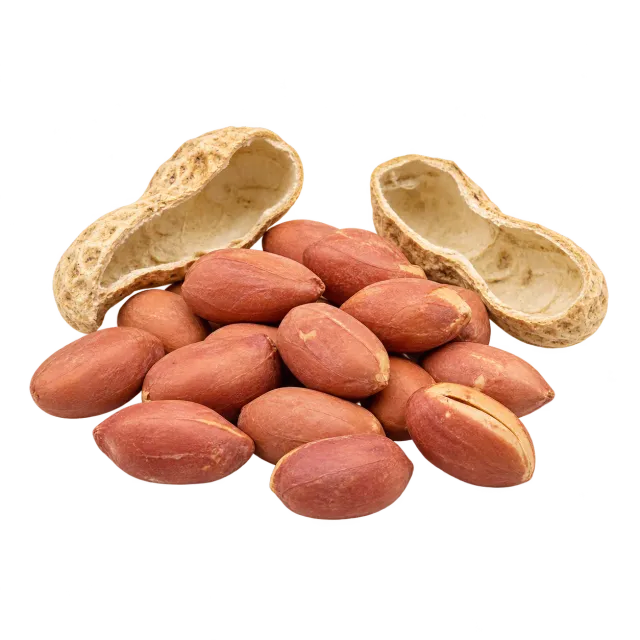
Peanuts
Dogs and cats may occasionally have a small amount of shelled, unsalted peanuts. Keep the portion small because peanuts are high in fat and calories. Do not offer the shells, and always check peanut butter for xylitol and other hazardous ingredients.
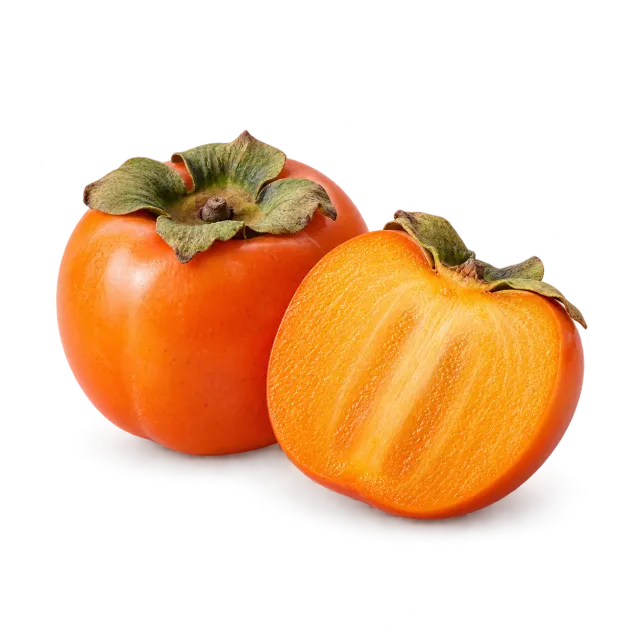
Persimmon
A small piece of fully ripe flesh with the skin and seeds removed can be an occasional treat. A whole fruit, seeds or large pieces can lodge in the digestive tract.
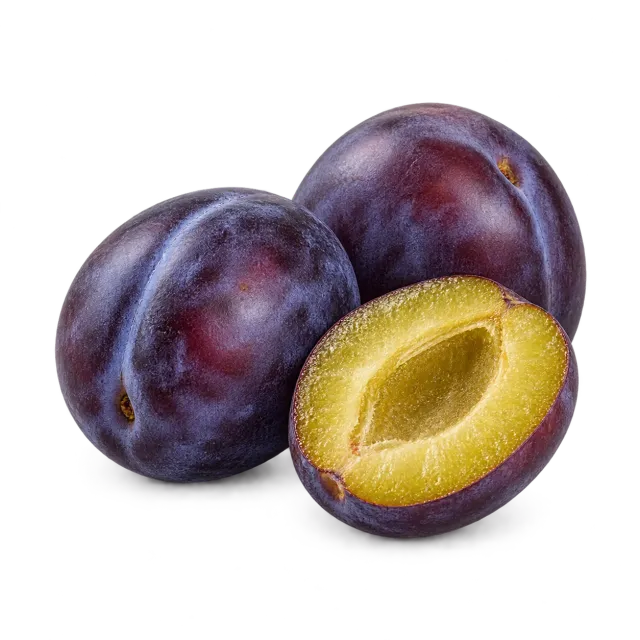
Plums
A small amount of ripe flesh with the pit removed can be an occasional treat. Do not offer the pit, kernel, leaves or twigs.
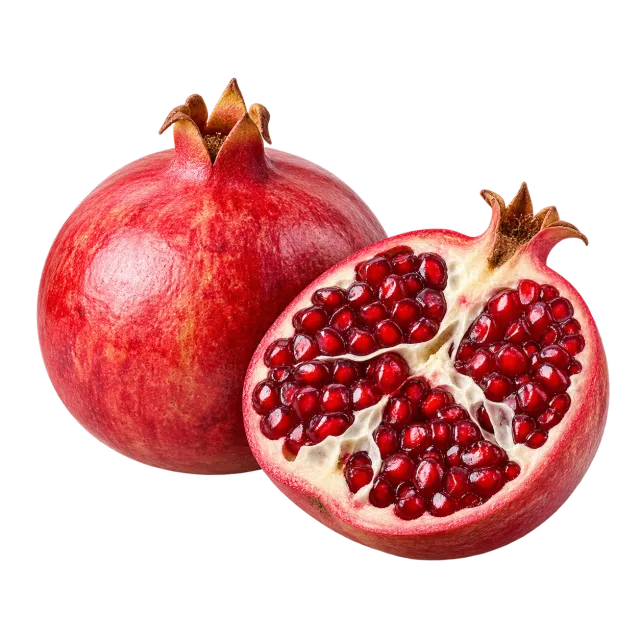
Pomegranate
Pomegranate is not a recognised classic poison for dogs or cats, but it is a poor routine treat. A few peeled arils usually call for observation; rind and products with added ingredients need separate assessment.
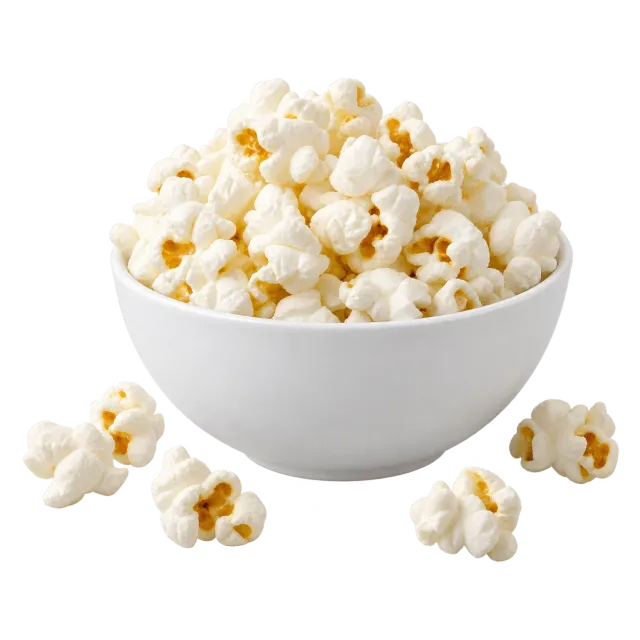
Popcorn
Dogs and cats may have a few pieces of plain air-popped popcorn with no salt, fat or seasoning. Check every ingredient in a prepared mix: chocolate and onion or garlic powder are dangerous.
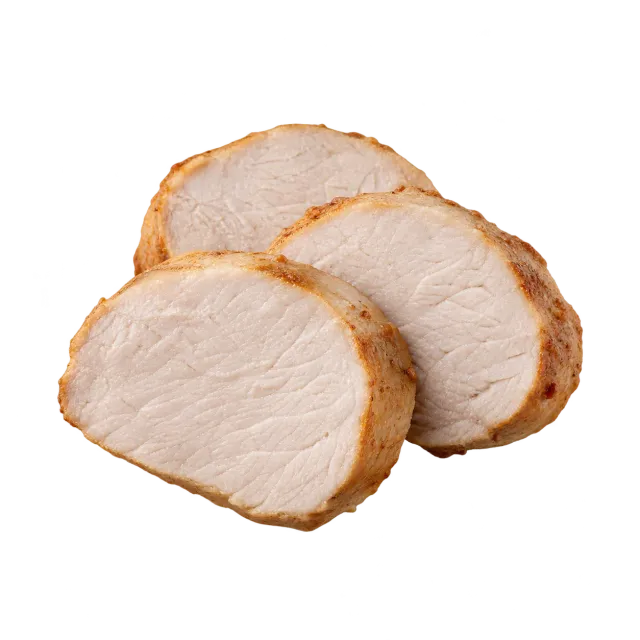
Pork
Dogs and cats may occasionally have a small piece of thoroughly cooked lean pork with no bone, salt or seasoning. Raw or undercooked pork, fatty and processed products, and pork bones are unsafe choices.
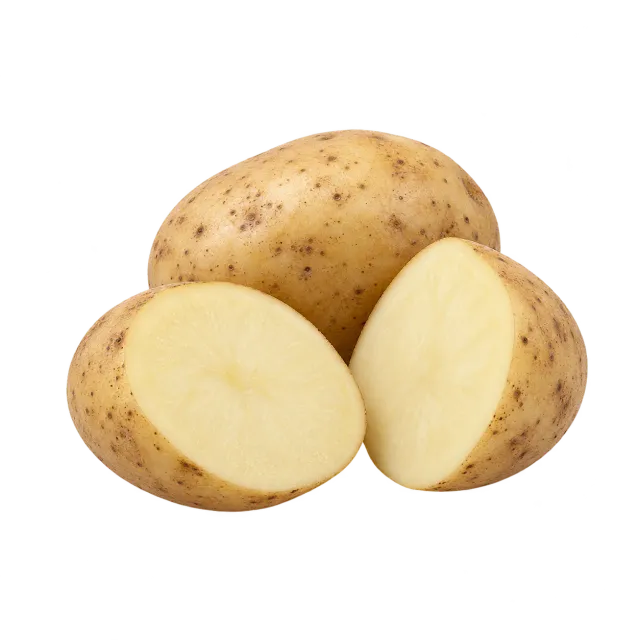
Potato
A small amount of peeled potato cooked without salt, fat or seasoning can be an occasional treat for a dog or cat. Raw, green or sprouted potatoes and the plant itself are dangerous.