
Food and drinks
Food, plants, medicines and household substances: a safety guide for dogs and cats.
Understanding the assessments
The colour indicates acceptability under the conditions described. Benefits, restrictions and actions after ingestion are explained separately for each animal.
Results: 101
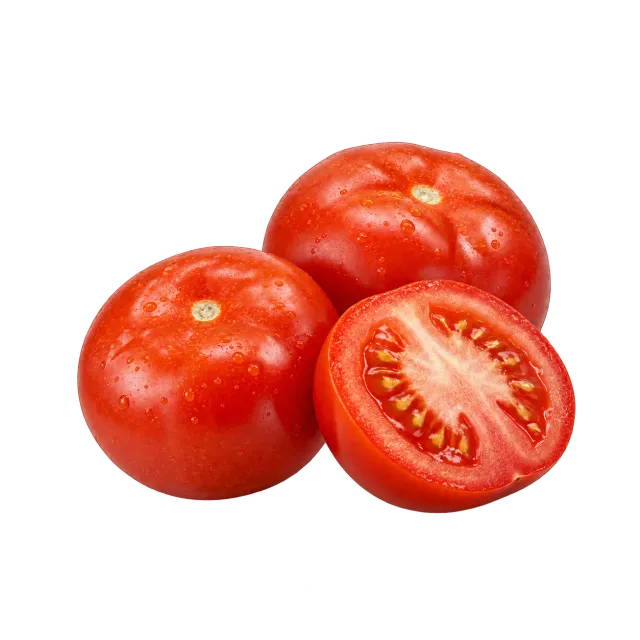
Tomatoes
A small amount of fully ripe tomato with the stalk and green parts removed can be offered to a dog or cat. Do not feed unripe green fruit, leaves or stems.
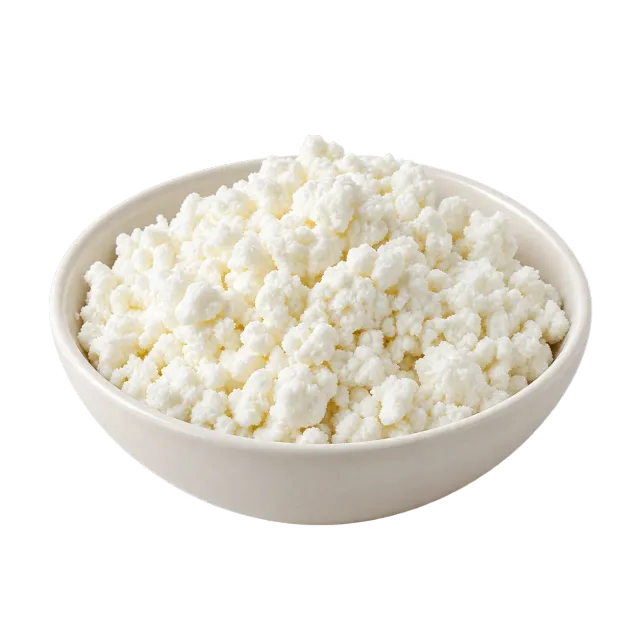
Tvorog (quark)
A dog or cat may have a little plain, unsweetened tvorog if they tolerate dairy. It is optional in their diet; raisins, cocoa and sweeteners need a separate assessment.
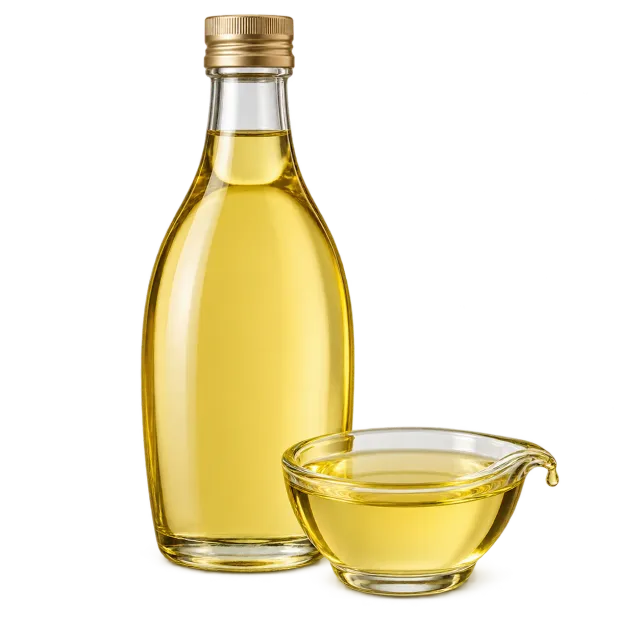
Vegetable oil
A few drops of plain edible oil are usually not dangerous to a dog or cat, but oil should not be a routine supplement. A large amount, used frying oil and unknown seasonings need separate assessment.
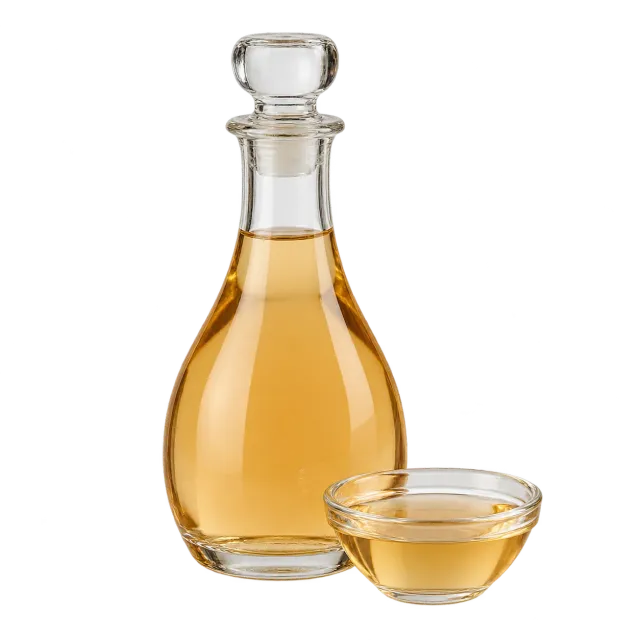
Vinegar
Dogs and cats do not need culinary vinegar as a supplement. A small amount in prepared food is usually acceptable, but plain vinegar can irritate the mouth and stomach, while vinegar essence can cause chemical burns.
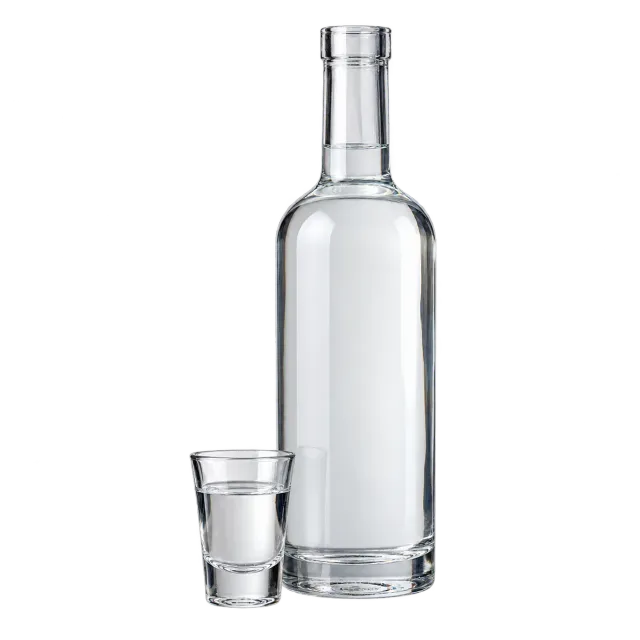
Vodka
Do not give vodka to a dog or cat. Ethanol is absorbed quickly and can dangerously depress the nervous system, breathing and metabolism. Call the clinic immediately after ingestion.
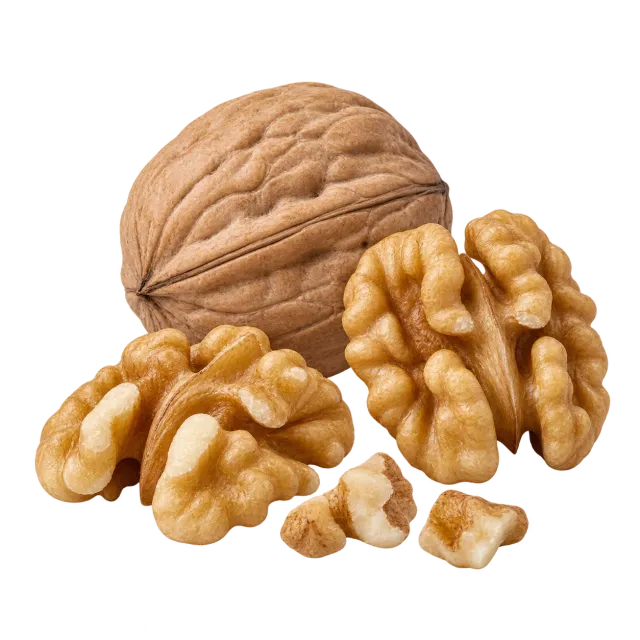
Walnut
A fresh shelled English walnut is not treated as a poison by itself, but it is a fatty, unnecessary treat. Do not offer it to a cat, and choose a safer treat for a dog. Mouldy nuts, shells and hazardous additions need separate assessment.
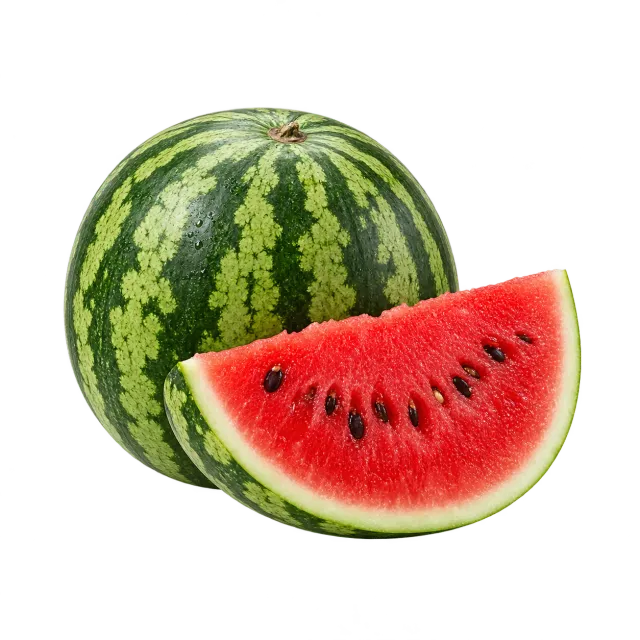
Watermelon
Dogs and cats may have a small amount of ripe watermelon flesh with the rind and large seeds removed. Rind and large pieces can cause obstruction, and drinks or desserts need a full ingredient check.
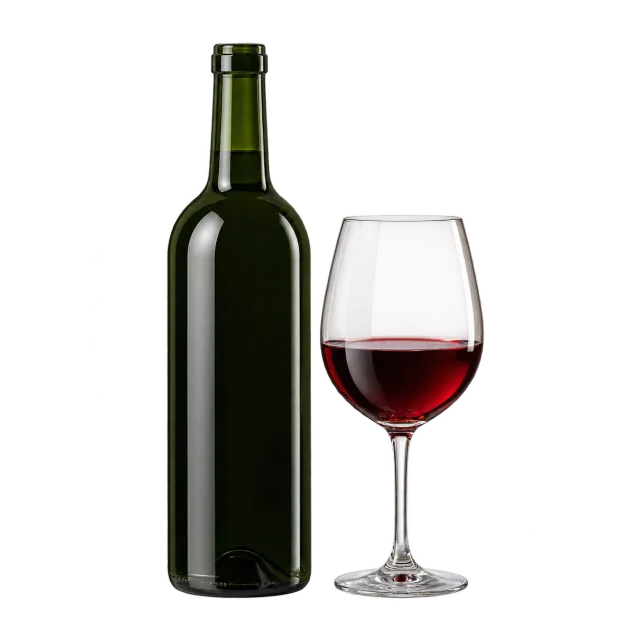
Wine
Do not give ordinary wine to dogs or cats. Ethanol is absorbed quickly and can depress the brain, breathing and metabolism. Call the clinic immediately after ingestion rather than waiting for symptoms.
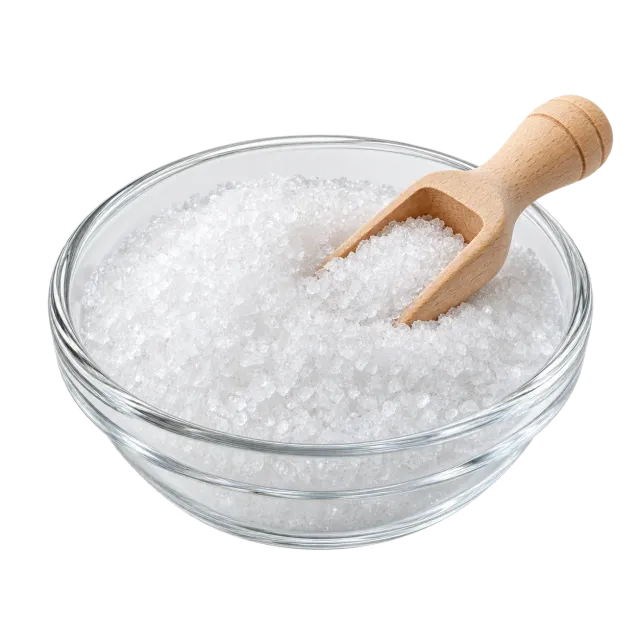
Xylitol
Xylitol is extremely dangerous to dogs because it can rapidly cause profound hypoglycaemia and sometimes liver injury. This toxicity has not been shown in cats, but the evidence comes from only six healthy animals and does not make xylitol products suitable treats.
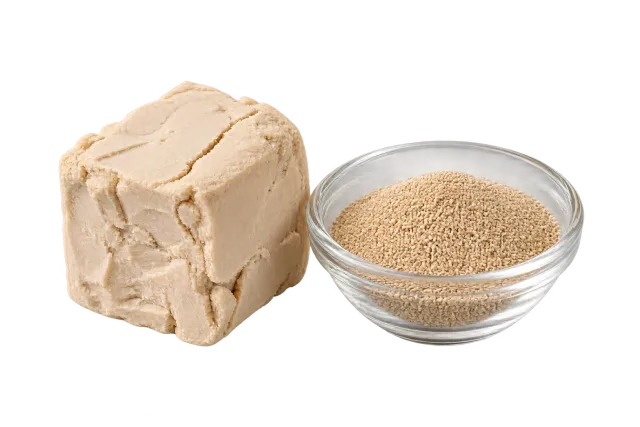
Yeast
Do not give yeast to a dog or cat until you know which form it is. Inactivated yeast ingredients are used in formulated pet foods, while raw yeast dough is dangerous because it expands in the stomach and produces ethanol.
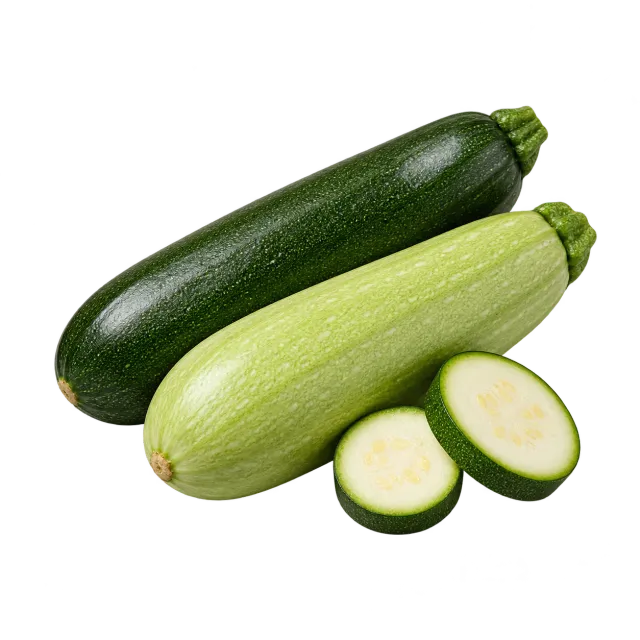
Zucchini
Dogs and cats may have a little plain, non-bitter zucchini. Cut it small and serve raw or cooked without salt or oil. Bitter fruit and dishes containing onion or garlic are unsafe.