
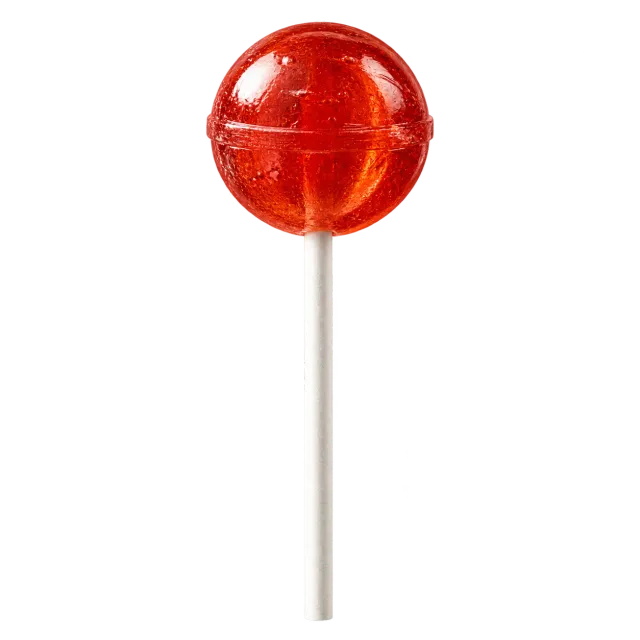
Already eaten — what now?
For dogs
Remove the rest, keep the package and check the ingredients. If your dog ate one small plain candy without the stick or wrapper and feels well, observe and leave water available. Call immediately for xylitol, even before symptoms. Also call the clinic after chocolate, caffeine, a swallowed stick or wrapper. Choking, breathing difficulty, weakness, poor coordination, tremors, seizures, repeated vomiting or severe pain need urgent care. Do not induce vomiting yourself.
For cats
Remove the rest, keep the package and check the ingredients. If your cat ate one small plain candy without the stick or wrapper and feels well, observe and leave water available. Call the clinic if the ingredients are unknown, the product contains chocolate, caffeine or a medicine, or the stick or wrapper was swallowed. Choking, breathing difficulty, weakness, poor coordination, tremors, seizures, repeated vomiting or severe pain need urgent care. Do not induce vomiting yourself.
Variants and ingredients
Plain sugar hard candyFor dogs and cats: With restrictions
A hard candy made with sugar or glucose syrup, with no xylitol, chocolate, caffeine, medicine, stick or wrapper.
For dogs and cats
Conditions and restrictions
Do not offer it deliberately. This variant covers only a small, ordinary sugar candy with no hazardous additions, stick or wrapper.
Benefits
A lollipop provides no benefit that justifies adding it to a dog or cat’s diet. Complete food should already provide the nutrients they need.
Risks
- A hard candy can cause choking.
- A large amount of sugar can upset digestion and adds unnecessary calories.
Already eaten — what now?
If your pet ate one small plain candy without the stick or wrapper and feels well, remove the rest, provide water and observe. Call the clinic for vomiting, diarrhoea, pain, lethargy or breathing difficulty.
Sugar-free lollipop with xylitolFor dogs: Dangerous · Especially dangerousFor cats: With restrictions
Xylitol may be listed as xylitol, E967, birch sugar or wood sugar.
For dogs
Conditions and restrictions
Do not offer it. Check every sugar-free candy label and keep these products out of reach.
Benefits
There is no benefit for a dog.
Risks
- Xylitol can rapidly cause severe hypoglycaemia with weakness, poor coordination, collapse or seizures.
- Some dogs develop severe liver injury. Looking well immediately after ingestion does not rule out danger.
Already eaten — what now?
Call the clinic immediately and travel when instructed, even if your dog looks well. Bring the package and report the dog’s weight, time, product name and possible amount. Do not induce vomiting unless a veterinarian tells you to.
For cats
Conditions and restrictions
Do not offer it. A small study in six healthy cats found no dog-like hypoglycaemia or liver injury after a single xylitol exposure. It did not test regular use and does not make a prepared candy safe.
Benefits
There is no benefit for a cat.
Risks
- Evidence in cats is limited to six healthy animals.
- Other candy ingredients and a swallowed stick or wrapper can be hazardous regardless of xylitol.
Already eaten — what now?
Keep the package and check the complete ingredients. Call the clinic if the ingredients or amount are unknown or if there are other sweeteners, chocolate, caffeine or medicines. Vomiting, weakness, poor coordination, tremors or seizures need urgent care. Do not induce vomiting yourself.
With chocolate, coffee or caffeineFor dogs and cats: Dangerous · Urgent help needed
A lollipop or hard candy containing cocoa, chocolate, coffee extract, caffeine or guarana.
For dogs and cats
Conditions and restrictions
Do not offer lollipops containing chocolate, cocoa, coffee, caffeine, guarana or another methylxanthine source.
Benefits
There is no benefit for a pet.
Risks
- Theobromine and caffeine can cause vomiting, agitation, a fast or irregular heartbeat, tremors and seizures.
- Risk depends on the source and concentration, the amount eaten and the pet’s weight. Signs may be delayed.
Already eaten — what now?
Call the clinic promptly, keep the package, and report the pet’s weight, ingredients, amount and time. Do not wait for symptoms or induce vomiting yourself. Leave for an open clinic immediately after collapse, seizures, severe breathing difficulty or marked tremors.
Swallowed stick or wrapperFor dogs and cats: Dangerous · Urgent help needed
The inedible part of a lollipop swallowed whole or in pieces.
For dogs and cats
Conditions and restrictions
The stick and wrapper are not edible. Keep lollipops where a pet cannot swallow them together with the candy.
Benefits
There is no benefit.
Risks
- A stick can lodge in the throat or oesophagus, injure tissue or obstruct the digestive tract.
- A wrapper can also act as a foreign body. Signs of obstruction include repeated vomiting, loss of appetite, lethargy and abdominal pain.
Already eaten — what now?
Call the clinic promptly and report the material, size, time and pet’s weight. Choking, breathing difficulty, repeated vomiting, severe pain, marked lethargy or collapse need immediate care. Do not induce vomiting yourself.
Conditions and risks
For dogs and cats
Conditions and restrictions
Do not offer lollipops as treats. The main rating covers a plain hard candy with known ingredients. It does not cover xylitol, chocolate, caffeine, medicines, the stick or the wrapper.
Benefits
A lollipop provides no benefit that justifies adding it to a dog or cat’s diet. Complete food should already provide the nutrients they need.
Risks
- A hard candy can cause choking, especially when it is large relative to the pet.
- Sugar adds unnecessary calories, and a large amount may cause vomiting, diarrhoea and abdominal discomfort.
- Ingredients change the risk: xylitol is especially dangerous to dogs, while chocolate and caffeine are hazardous to both species.
This card covers edible hard candy and lollipops. The main yellow rating describes a candy with a known, simple recipe. As our sugar card explains, this is not a recommendation to feed sweets. There is no useful benefit, and size, amount and added ingredients matter.
Sources
- FDA: Paws Off Xylitol; It’s Dangerous for Dogs
- Jerzsele et al.: Effects of orally administered xylitol in cats
- Merck Veterinary Manual: Chocolate Toxicosis in Animals
- Merck Veterinary Manual: Gastrointestinal Obstruction in Small Animals
- WSAVA: Feeding Treats to Your Dog
- WSAVA: Feeding Treats to Your Cat
- Batchelor et al.: Intestinal sugar transport and disaccharidase expression in dogs and cats
Comments
No comments yet.