
Already eaten — what now?
For dogs and cats
After a small amount of fresh flesh with no symptoms, observe your pet. Call a veterinarian if your pet swallowed rind or a large piece, ate a large amount, reached spoiled fruit, or develops vomiting, pain, abdominal swelling or lethargy. Choking, laboured breathing, unsteadiness, tremors, seizures or collapse need emergency care. Do not induce vomiting yourself.
Variants and ingredients
Fresh flesh without rind or seedsFor dogs and cats: Acceptable
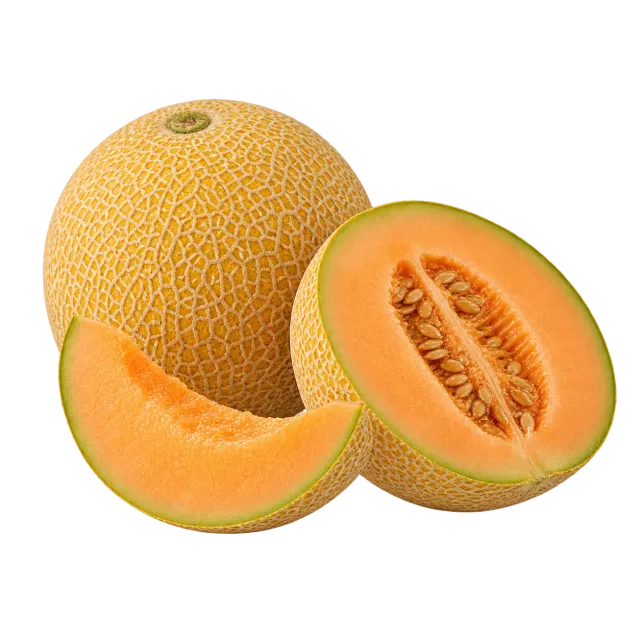
Washed ripe Cucumis melo flesh cut into small pieces.
For dogs and cats
Risks
- A large serving may upset digestion and add excess calories.
Already eaten — what now?
After a small amount with no symptoms, observation is enough. Call a veterinarian for repeated vomiting, diarrhoea, pain or lethargy.
For dogs
Conditions and restrictions
Offer a small amount of fresh flesh with the rind and seeds removed, cut into small pieces.
Benefits
It can be an occasional juicy treat, but it does not replace a complete diet.
For cats
Conditions and restrictions
Offer only a tiny piece of fresh flesh with the rind and seeds removed.
Benefits
There is no dietary need for it. A tiny piece can be an occasional treat if your cat likes it.
SeedsFor dogs and cats: With restrictions
Individual seeds or a wet clump from the seed cavity.
For dogs and cats
Conditions and restrictions
Remove the seeds before feeding. Do not offer them separately or leave a dense clump of seeds.
Benefits
There is no benefit for a pet. A few accidentally swallowed seeds are not considered toxic.
Risks
- A seed or clump of seeds can enter the airway, especially in a small animal.
- A large amount may upset digestion.
Already eaten — what now?
After a few seeds with no coughing, vomiting or other signs, observe your pet. Call a veterinarian for coughing, retching, repeated vomiting or lethargy. Choking or difficulty breathing needs emergency care.
Rind or a large firm pieceFor dogs and cats: Dangerous · Urgent help needed
The tough outer rind or a piece that a pet could swallow without chewing.
For dogs and cats
Conditions and restrictions
Remove all rind and keep it out of reach. Cut the flesh into small pieces too.
Benefits
There is no benefit. Rind is not a treat or chew.
Risks
- Tough rind or a large piece can lodge in the throat, oesophagus, stomach or intestine.
- Choking, repeated vomiting, pain, abdominal swelling, refusal of food and tissue damage from an obstruction are possible.
Already eaten — what now?
Call a veterinarian straight away with your pet’s weight, the size of the swallowed piece and the time. Do not feed food to “push it through” or induce vomiting unless a veterinarian instructs you to. Choking, laboured breathing, repeated vomiting, a painful or swollen abdomen, sudden weakness or collapse need immediate care.
Dried or sweetened melonFor dogs and cats: With restrictions
Dried fruit, candied fruit, preserves, syrup or dessert with fully known ingredients.
For dogs and cats
Conditions and restrictions
Only a small piece with fully known ingredients is acceptable, with no xylitol, chocolate, alcohol or other hazardous additions. Do not offer syrup or use it as a regular treat.
Benefits
There is no dietary need for it. Dried or sweetened melon is not preferable to a small piece of fresh flesh.
Risks
- Drying and added sugar concentrate sugar and calories in each serving.
- A dessert or sugar-free product may contain a separate hazardous ingredient.
Already eaten — what now?
After a small amount with known safe ingredients and no symptoms, observe your pet and keep the package. If the ingredients are unknown, contain xylitol, chocolate or alcohol, or signs develop, call a veterinarian straight away.
Spoiled, mouldy or fermented melonFor dogs and cats: Dangerous · Urgent help needed
Old fruit with mould, a fermented smell, bubbles or other signs of spoilage.
For dogs and cats
Conditions and restrictions
Do not offer spoiled fruit or allow your pet to eat melon from rubbish or compost.
Benefits
There is no benefit. Discard spoiled, mouldy or fermented melon.
Risks
- Mould on old fruit can cause digestive upset, liver damage or neurological signs.
- Fermentation produces alcohol, which can cause unsteadiness, depression, low body temperature, low blood sugar, seizures and breathing problems.
Already eaten — what now?
Call a veterinarian straight away, keep a sample or photograph, and report the approximate amount and time. Do not wait for signs or induce vomiting yourself. Unsteadiness, marked drowsiness, tremors, seizures, laboured breathing or collapse need emergency care.
Conditions and risks
For dogs and cats
Risks
- A large serving of sweet flesh may cause vomiting or diarrhoea and add excess calories.
- Rind and large firm pieces can cause choking or an obstruction.
- Spoiled or fermented fruit may contain mould toxins or alcohol.
For dogs
Conditions and restrictions
Wash the fruit, remove all rind and seeds, and cut the flesh into small pieces. Offer only a little. All treats combined should provide less than 10% of daily calories. Ask your veterinarian first for diabetes, excess weight, a prescribed diet or sensitive digestion.
Benefits
A little fresh flesh can be an occasional treat. There is no need to add melon for vitamins or treatment.
For cats
Conditions and restrictions
Offer only a tiny piece of washed flesh with the rind and seeds removed. Do not coax your cat to eat fruit. Ask your veterinarian first for diabetes, excess weight, a prescribed diet or sensitive digestion.
Benefits
Cats do not need melon. A tiny piece of fresh flesh can be an occasional treat if your cat likes it.
This card covers edible Cucumis melo, including cantaloupe and honeydew. Watermelon, bitter melon and winter melon are different plants and need separate cards.
Sources
- ASPCA Animal Poison Control: True Cantaloupe (Cucumis melo)
- ASPCA: Sharing is Caring, Foods You Can Safely Share with Your Pet
- WSAVA Nutrition Committee: Feeding Treats to Your Dog
- WSAVA Nutrition Committee: Feeding Treats to Your Cat
- Merck Veterinary Manual: Gastrointestinal Obstruction in Small Animals
- VCA Animal Hospitals: Alcohol Poisoning
- VCA Animal Hospitals: Summer Fun and Follies
- PetMD: Can Dogs Eat Cantaloupe?
Comments
No comments yet.