
Can I give it?
For dogs and cats: Only as prescribed by a veterinarian
Conditions and risksAlready eaten — what now?Check the variant (5)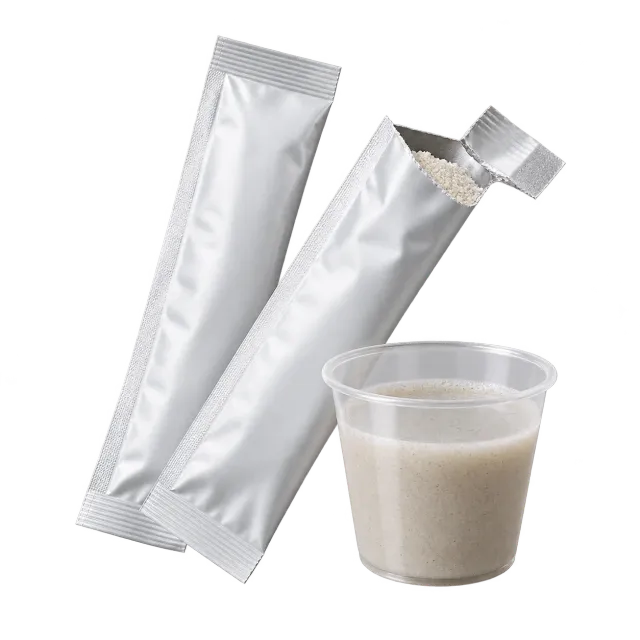
Already eaten — what now?
For dogs and cats
If your pet only licked a small amount of powder or suspension and remains well, remove the rest, offer water and monitor. Keep the package. Call a veterinarian if the amount is unknown, several doses were swallowed, the pet takes other medicines, constipation, vomiting, pain or lethargy develops, or diarrhea continues. Do not induce vomiting or give another dose unless instructed.
Variants and ingredients
Smecta under a veterinary planFor dogs and cats: With restrictionsFor dogs and cats: Only as prescribed by a veterinarian
The exact formulation, amount, duration and interval from other medicines were chosen for the individual patient.
For dogs and cats
Risks
- Constipation, with greater risk after repeated doses, with dehydration or when stool passage is already slow.
- Reduced absorption of oral medicines given at the same time.
- Trying to treat diarrhea at home can delay diagnosis of dehydration, a foreign body, infection, poisoning or another cause.
- Forcing a suspension into an animal that is vomiting, weak or unable to swallow normally can send liquid into the airway.
For dogs
Conditions and restrictions
Give only the exact formulation and schedule written by the veterinarian. Keep the stated interval from other oral medicines, maintain access to water unless instructed otherwise, and do not extend the course because stool remains soft.
Benefits
A randomized open-label trial found that smectite shortened chemotherapy-associated diarrhea in dogs and reduced rescue metronidazole use. It tested hydrated calcium aluminosilicate, so the result does not establish that every Smecta formulation or every cause of diarrhea should be treated in the same way.
Already eaten — what now?
If the exact prescribed dose was given and the dog remains well, continue according to the plan. Stop and call for constipation, repeated vomiting, worsening diarrhea, blood or black stool, abdominal pain, weakness or refusal to drink. Report an extra or early dose.
For cats
Conditions and restrictions
Give only the exact formulation and schedule written for this cat. Keep the stated interval from other oral medicines and do not force a large volume into the mouth. Do not extend or repeat the course without review.
Benefits
Veterinary formularies include smectite for cats, and published case series document clinical use of Smecta in selected feline patients. Controlled evidence for routine feline diarrhea is limited, so benefit must be judged for the individual cat.
Already eaten — what now?
If the exact prescribed dose was given and the cat remains well, continue according to the plan. Stop and call for constipation, vomiting, worsening diarrhea, blood or black stool, abdominal pain, weakness, hiding, refusal to eat or drink, or an extra dose.
3 g powder sachetFor dogs and cats: With restrictions
Orange, vanilla or strawberry diosmectite powder; excipients vary by market.
For dogs and cats
Conditions and restrictions
Do not use a human sachet as a default home remedy. Check the full ingredient list and speak with a veterinarian first, especially for a puppy, kitten, pregnant animal, dehydrated patient or a pet taking oral medicine.
Benefits
Unsupervised use has no established benefit because the cause of diarrhea and the correct product have not been assessed.
Risks
- Constipation, with greater risk after repeated doses, with dehydration or when stool passage is already slow.
- Reduced absorption of oral medicines given at the same time.
- Trying to treat diarrhea at home can delay diagnosis of dehydration, a foreign body, infection, poisoning or another cause.
- Forcing a suspension into an animal that is vomiting, weak or unable to swallow normally can send liquid into the airway.
Already eaten — what now?
If your pet only licked a small amount of powder or suspension and remains well, remove the rest, offer water and monitor. Keep the package. Call a veterinarian if the amount is unknown, several doses were swallowed, the pet takes other medicines, constipation, vomiting, pain or lethargy develops, or diarrhea continues. Do not induce vomiting or give another dose unless instructed.
SmectaGo ready-to-drink suspensionFor dogs and cats: With restrictions
A sachet containing 3 g diosmectite and market-dependent excipients that differ from the powder.
For dogs and cats
Conditions and restrictions
Do not use a human sachet as a default home remedy. Check the full ingredient list and speak with a veterinarian first, especially for a puppy, kitten, pregnant animal, dehydrated patient or a pet taking oral medicine.
Benefits
Unsupervised use has no established benefit because the cause of diarrhea and the correct product have not been assessed.
Risks
- Constipation, with greater risk after repeated doses, with dehydration or when stool passage is already slow.
- Reduced absorption of oral medicines given at the same time.
- Trying to treat diarrhea at home can delay diagnosis of dehydration, a foreign body, infection, poisoning or another cause.
- Forcing a suspension into an animal that is vomiting, weak or unable to swallow normally can send liquid into the airway.
Already eaten — what now?
If your pet only licked a small amount of powder or suspension and remains well, remove the rest, offer water and monitor. Keep the package. Call a veterinarian if the amount is unknown, several doses were swallowed, the pet takes other medicines, constipation, vomiting, pain or lethargy develops, or diarrhea continues. Do not induce vomiting or give another dose unless instructed.
Several doses, unknown amount or constipationFor dogs and cats: With restrictions · Urgent help needed
Also covers administration close to an important oral medicine.
For dogs and cats
Conditions and restrictions
This includes an unknown amount, several sachets, repeated doses, established constipation or administration close to another important oral medicine. The product and patient need prompt assessment.
Benefits
There is no benefit from repeating or increasing the dose without veterinary direction.
Risks
- Constipation, with greater risk after repeated doses, with dehydration or when stool passage is already slow.
- Reduced absorption of oral medicines given at the same time.
- Trying to treat diarrhea at home can delay diagnosis of dehydration, a foreign body, infection, poisoning or another cause.
- Forcing a suspension into an animal that is vomiting, weak or unable to swallow normally can send liquid into the airway.
Already eaten — what now?
Call promptly with the pet’s weight, product name, formulation, possible amount, time and list of other medicines. Do not give another dose, laxative, oil or enema unless instructed. Go to an open clinic for pain, a swollen abdomen, repeated vomiting, marked weakness or inability to pass stool.
Swallowed wrapper or emergency signsFor dogs and cats: Dangerous · Especially dangerous
An entire foil wrapper or severe signs during vomiting or diarrhea.
For dogs and cats
Conditions and restrictions
Emergency signs include repeated vomiting, inability to keep water down, blood or black stool, a swollen painful abdomen, severe weakness, collapse or rapid deterioration. A swallowed foil sachet is a foreign body that can obstruct or injure the digestive tract.
Benefits
There is no benefit from waiting for Smecta to work when emergency signs are present or a wrapper has been swallowed.
Risks
- Dehydration and shock can progress while diarrhea or vomiting continues.
- A foreign-body obstruction can compromise the bowel and may require endoscopic or surgical removal.
- Giving more suspension can delay emergency examination or enter the airway in a weak or vomiting animal.
Already eaten — what now?
Call an open veterinary clinic and leave now. Take the remaining package and all medicines. Do not induce vomiting, pull visible packaging, force food or water, or give another dose unless directed.
Conditions and risks
For dogs and cats
Risks
- Constipation, with greater risk after repeated doses, with dehydration or when stool passage is already slow.
- Reduced absorption of oral medicines given at the same time.
- Trying to treat diarrhea at home can delay diagnosis of dehydration, a foreign body, infection, poisoning or another cause.
- Forcing a suspension into an animal that is vomiting, weak or unable to swallow normally can send liquid into the airway.
For dogs
Conditions and restrictions
Use only after a veterinarian has assessed the cause and specified the exact product, amount, duration and interval from other oral medicines. One human sachet is not a veterinary dose.
Benefits
A randomized open-label trial found that smectite shortened chemotherapy-associated diarrhea in dogs and reduced rescue metronidazole use. It tested hydrated calcium aluminosilicate, so the result does not establish that every Smecta formulation or every cause of diarrhea should be treated in the same way.
For cats
Conditions and restrictions
Use only after a veterinarian has assessed the cat and specified the exact product, amount, duration and interval from other oral medicines. Do not copy a dose used for a dog or person.
Benefits
Veterinary formularies include smectite for cats, and published case series document clinical use of Smecta in selected feline patients. Controlled evidence for routine feline diarrhea is limited, so benefit must be judged for the individual cat.
Smecta is a human medicine containing diosmectite. A sachet commonly contains 3 g of the active ingredient, but powders and ready-to-drink suspensions have different flavours, sweeteners and other excipients. A veterinarian needs a photograph of the whole package, not just the name on the front.
If a veterinarian prescribed Smecta, follow the interval they gave for other medicines because an adsorbent can reduce their absorption. Our guide to following a veterinary treatment plan safely covers the general rules for treatment at home.
Sources
- Fournier et al. (2021): Smectite for chemotherapy-induced diarrhea in dogs
- Fioramonti et al. (1987): Smectite and experimentally induced diarrhea in dogs
- BSAVA Small Animal Formulary: Calcium aluminosilicate (smectite)
- de Bock et al. (2023): Colonic agenesis case series in dogs and cats
- ANSM: Smecta 3 g strawberry powder, official patient leaflet
- ANSM: Smecta 3 g orange-vanilla powder, official product information
- Malaysia NPRA: SmectaGo 3 g oral suspension product information
- WSAVA/ENOVAT: Guidelines for canine acute diarrhea
- MSD Veterinary Manual: Gastrointestinal obstruction in small animals
Comments
No comments yet.