
Already eaten — what now?
For dogs and cats
Remove the remaining paper and work out what and how much was swallowed. A symptom-free pet that ate one small clean piece can be monitored, but call the clinic immediately if the amount is unknown, the tube was swallowed, or chemicals were present. Repeated vomiting, refusing food or water, a painful or swollen abdomen, straining without stool, sudden lethargy, coughing, or breathing difficulty need urgent examination. Do not induce vomiting or give home remedies unless directed by a veterinarian.
Variants and ingredients
Small clean pieceFor dogs and cats: With restrictions
One small, soft piece of dry toilet paper without the tube or chemicals.
For dogs and cats
Conditions and restrictions
This applies only to a small, soft piece of clean, dry toilet paper with no cardboard tube or cleaner on it. Do not offer it deliberately.
Benefits
There is no nutritional benefit.
Risks
- Even soft paper can cause vomiting, diarrhoea or constipation; risk depends on the amount and the pet’s size.
- No one can guarantee that a piece will pass: any swallowed non-food material can become lodged.
Already eaten — what now?
Remove the remaining paper and estimate the amount. If it was one small clean piece and your pet is acting normally, watch appetite, drinking, vomiting, the abdomen and stool. Call the clinic if the amount is uncertain. Repeated vomiting, refusing food or water, a painful or swollen abdomen, marked lethargy, straining without passing stool, or breathing difficulty need urgent examination. Do not induce vomiting or give oil, laxatives or other home remedies unless a veterinarian directs you.
Large or compacted amountFor dogs and cats: Dangerous · Urgent help needed
Many sheets, a whole or nearly whole roll, or a wet or tightly compacted mass.
For dogs and cats
Conditions and restrictions
A large amount, a whole or nearly whole roll, or a tightly compacted or wet mass is dangerous as a foreign body.
Benefits
There is no nutritional benefit.
Risks
- A mass of paper can lodge in the stomach or intestine and cause partial or complete obstruction.
- Obstruction can cause dehydration and bowel injury; endoscopy or surgery may be needed.
Already eaten — what now?
Contact the clinic now, even if there are no signs yet, and report your pet’s weight, the time and the estimated amount. Do not feed extra food to “push it through”, induce vomiting, or give oil or laxatives unless directed by a veterinarian. Repeated vomiting, refusal of water, abdominal pain or swelling, sudden weakness, straining without stool, or breathing difficulty require emergency care.
Cardboard tubeFor dogs and cats: Dangerous · Urgent help needed
The whole tube, large cardboard pieces, or a roll swallowed together with its tube.
For dogs and cats
Conditions and restrictions
Treat the cardboard tube, large cardboard pieces, or a roll swallowed with its tube as an ingested object, not as soft paper.
Benefits
There is no nutritional benefit.
Risks
- A tube or large piece can lodge and cause choking or gastrointestinal obstruction.
- Risk is greater in a small pet and when the tube is swallowed whole or in large, dense pieces.
Already eaten — what now?
Call the clinic now and report your pet’s size, the time and how much tube may have been swallowed. Do not pull visible material from the throat, induce vomiting or give home remedies. Coughing, choking, repeated attempts to swallow, repeated vomiting, abdominal pain or swelling, refusing food or water, and sudden lethargy require emergency care.
Paper contaminated with cleanerFor dogs and cats: Dangerous · Urgent help needed
Toilet paper contaminated with toilet cleaner, bleach, disinfectant, liquid soap or an unknown cleaning product.
For dogs and cats
Conditions and restrictions
Paper contaminated with toilet cleaner, bleach, disinfectant, liquid soap or an unknown household chemical is a chemical exposure. Risk depends on the exact product and concentration.
Benefits
There is no nutritional benefit.
Risks
- Cleaner can irritate or burn the mouth, oesophagus and stomach, causing drooling, pain, vomiting and difficulty swallowing.
- Foam and vomiting increase aspiration risk; some products can also injure the skin, eyes or lungs.
Already eaten — what now?
Contact the clinic immediately and identify the exact product; bring the container or a photo of its label. Move your pet away from the source. Do not induce vomiting, give activated charcoal or try to neutralise the product. Oral burns, heavy drooling, difficulty swallowing or breathing, weakness, or repeated vomiting require emergency care.
Conditions and risks
For dogs and cats
Conditions and restrictions
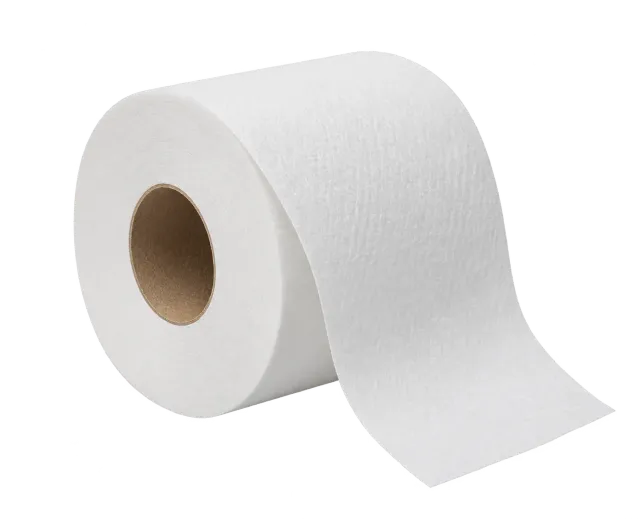
Do not give toilet paper to a dog or cat. This card covers dry toilet tissue; wet wipes and paper towels are different materials. After ingestion, the amount, the pet’s size, the cardboard tube and any household chemical contamination all matter.
Benefits
It has no nutritional value or benefit.
Risks
- A small clean piece may pass without complication, but vomiting, diarrhoea or constipation can occur.
- A large or compacted amount and the cardboard tube can cause choking or obstruction.
- Cleaner on the paper adds risks of irritation, chemical burns and aspiration of foam or vomit.
This card covers ordinary dry toilet tissue. Wet wipes and paper towels are different materials. If the paper was contaminated with a household chemical, identify the exact product; see the separate cards for liquid soap and chlorine bleach.
Sources
- Pet Poison Helpline: My Dog Ate Toilet Paper — What to Do Now
- American College of Veterinary Surgeons: Gastrointestinal Foreign Bodies
- MSD Veterinary Manual: Gastrointestinal Obstruction in Small Animals
- Hayes G. Gastrointestinal foreign bodies in dogs and cats: a retrospective study of 208 cases
- VCA Animal Hospitals: Ingestion of Foreign Bodies in Dogs
- VCA Animal Hospitals: Ingestion of Foreign Bodies in Cats
- ASPCA Animal Poison Control: Poisonous Household Products
Comments
No comments yet.