
Already eaten — what now?
For dogs and cats
After one small piece of plain baked lavash, observation is enough if there are no symptoms. Check the ingredients and estimate the amount. Call a veterinarian if your pet ate a large amount, the ingredients are unknown, a hazardous filling was present, or repeated vomiting, diarrhoea, pain, marked lethargy or abdominal swelling develops. Do not induce vomiting unless a veterinarian tells you to.
Variants and ingredients
Raw yeast doughFor dogs and cats: Dangerous · Especially dangerous
Unbaked dough for lavash or another bread when the recipe contains active yeast or sourdough starter.
For dogs and cats
Conditions and restrictions
Do not offer raw dough made with yeast or sourdough starter. Leave dough to rise only where pets cannot reach it.
Benefits
There is no benefit.
For dogs
Risks
- Dough keeps expanding in the warm stomach and can cause painful distension, impaired blood supply and breathing. It may trigger gastric dilatation and volvulus in susceptible dogs.
- Yeast produces ethanol. Unsteady walking, disorientation, weakness, depressed awareness, hypothermia, low blood glucose, seizures, coma and death are possible.
Already eaten — what now?
Call a veterinarian immediately even if there are no symptoms yet. Give the recipe, approximate amount, time and your dog’s weight. Do not induce vomiting or give food or water unless the veterinarian instructs you to. Leave at once for a swollen abdomen, unproductive retching, breathing trouble, unsteady walking, unusual sleepiness, weakness or seizures.
For cats
Risks
- Dough keeps expanding in the warm stomach and can cause painful distension, impaired blood supply and breathing.
- Yeast produces ethanol. Unsteady walking, disorientation, weakness, depressed awareness, hypothermia, low blood glucose, seizures, coma and death are possible.
Already eaten — what now?
Call a veterinarian immediately even if there are no symptoms yet. Give the recipe, approximate amount, time and your cat’s weight. Do not induce vomiting or give food or water unless the veterinarian instructs you to. Leave at once for a swollen abdomen, unproductive retching, breathing trouble, unsteady walking, unusual sleepiness, weakness or seizures.
Moldy lavashFor dogs and cats: Dangerous · Urgent help needed
Lavash with visible mold, a musty smell, or stored in contact with moldy pieces.
For dogs and cats
Conditions and restrictions
Discard all moldy lavash in a closed bin. Do not cut away only the visible patch or leave the food where a pet can reach it.
Benefits
There is no benefit.
For dogs
Risks
- Some molds produce mycotoxins. A tremorgenic toxin found in moldy bread has caused severe tremors in a dog.
- Vomiting, drooling, agitation, unsteady walking, fever, tremors and seizures are possible. The mold’s appearance does not show whether toxin is present or how much.
Already eaten — what now?
Remove the remaining food and call a veterinarian immediately. Report your dog’s weight, the time and approximate amount; if safe, seal a sample or the package in a bag. Do not induce vomiting or give home remedies unless instructed. Tremors, unsteady walking, repeated vomiting, agitation, seizures, sudden weakness or collapse require an immediate journey.
For cats
Risks
- Moldy food may contain mycotoxins that are hazardous to cats as well. Its appearance cannot establish a safe amount.
- Vomiting, drooling, agitation, unsteady walking, fever, tremors and seizures are possible.
Already eaten — what now?
Remove the remaining food and call a veterinarian immediately. Report your cat’s weight, the time and approximate amount; if safe, seal a sample or the package in a bag. Do not induce vomiting or give home remedies unless instructed. Tremors, unsteady walking, repeated vomiting, agitation, seizures, sudden weakness or collapse require an immediate journey.
Conditions and risks
For dogs and cats
Conditions and restrictions
Offer only fully baked, cooled and fresh lavash without fillings, sauce or hazardous ingredients. Tear off a small soft piece. All treats together should provide no more than 10% of daily calories. Ask your veterinarian first if your pet has a prescribed or elimination diet, excess weight or a medical condition.
Benefits
Lavash has no particular nutritional benefit. A small piece can be an occasional treat if your pet likes it.
Risks
- A large serving adds calories and may cause vomiting, gas or diarrhoea.
- Salt, fat, seasoning, fillings and sauce change the risk. A mixed dish cannot be assessed from the word “lavash” alone.
- Lavash is not a complete pet food and should not displace your pet’s regular diet.
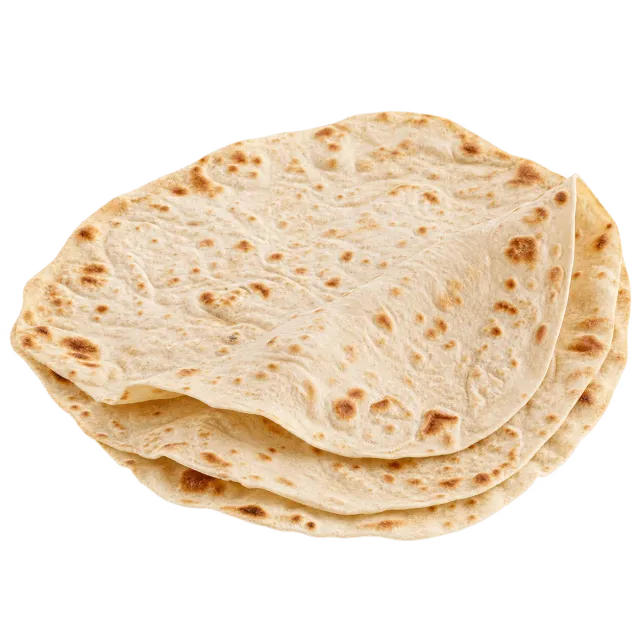
This card covers plain baked lavash. Traditional Armenian lavash is made from wheat flour and water, but packaged products may also contain salt, yeast, fats or additives. Read the label: fillings, sauces, onion, garlic, raisins, chocolate, xylitol and other ingredients need their own assessment. If the lavash is very salty, also see the salt card.
Sources
- UNESCO Intangible Cultural Heritage: Lavash, the preparation, meaning and appearance of traditional bread in Armenia
- National Body for Standards and Metrology of Armenia: HST 398-2018 Armenian lavash specifications
- WSAVA Nutrition Committee: Feeding Treats to Your Dog
- WSAVA Nutrition Committee: Feeding Treats to Your Cat
- Merck Veterinary Manual: Bread Dough Toxicosis in Animals
- ASPCA Animal Poison Control: People Foods to Avoid Feeding Your Pets
- Cortinovis and Caloni (2016): Household Food Items Toxic to Dogs and Cats
- Thrall et al. (1984): Ethanol toxicosis secondary to sourdough ingestion in a dog
- Merck Veterinary Manual: Tremorgenic Neuromycotoxicosis in Dogs
- Hocking et al. (1988): Intoxication by tremorgenic mycotoxin (penitrem A) in a dog
- Pet Poison Helpline: Moldy Food (Mycotoxins)
Comments
No comments yet.