
Already eaten — what now?
For dogs and cats
After a little plain kefir, if your pet is bright and well, remove the remainder and leave fresh water available. Watch how your pet feels and passes stool. Call a vet for a large amount relative to your pet’s size, repeated vomiting, marked diarrhoea, pain or lethargy. Seizures, unconsciousness or breathing difficulty need immediate help. If the drink contains xylitol and a dog drank it, seek help immediately without waiting for signs.
Variants and ingredients
Plain, without additivesFor dogs and cats: With restrictions
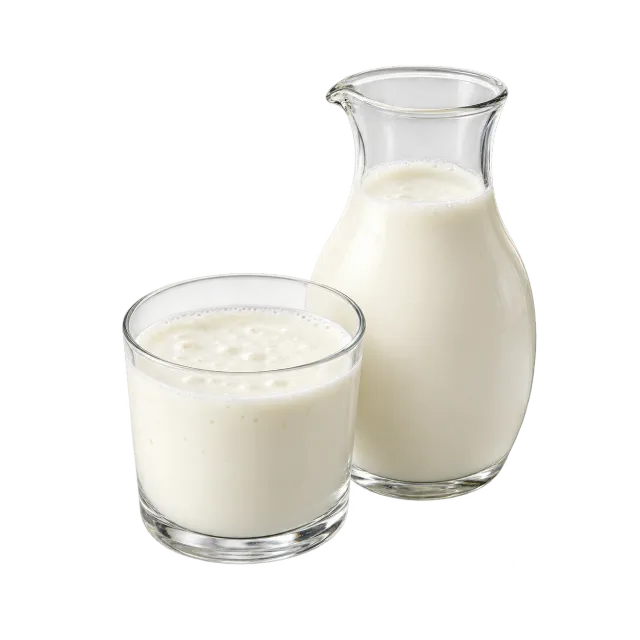
Fresh milk kefir made from pasteurised milk. Low fat does not mean lactose-free.
For dogs and cats
Conditions and restrictions
Use only fresh kefir made from pasteurised milk, without sugar, sweeteners or flavourings. A healthy adult pet that tolerates it may have a small, occasional serving as a treat. Do not give it after a reaction to dairy. Discuss extras with a vet if your pet is ill or on a therapeutic diet. Kefir does not replace water, the main diet or milk replacer for young animals.
Benefits
A complete diet does not need kefir added for nutrients. Evidence is insufficient to recommend it as a treatment.
Risks
- Residual lactose can cause gas and diarrhoea.
- Calories from treats can cause weight gain and displace a complete diet.
Already eaten — what now?
After a little plain kefir, if your pet is bright and well, remove the remainder and leave fresh water available. Watch how your pet feels and passes stool. Call a vet for a large amount relative to your pet’s size, repeated vomiting, marked diarrhoea, pain or lethargy. Seizures, unconsciousness or breathing difficulty need immediate help. If the drink contains xylitol and a dog drank it, seek help immediately without waiting for signs.
Lactose-free, without additivesFor dogs and cats: With restrictions
Kefir specifically labelled lactose-free. Ingredients and individual tolerance still matter.
For dogs and cats
Conditions and restrictions
Check for a specific lactose-free claim and read the full ingredient list. Choose kefir made from pasteurised milk with no sweeteners or flavourings. Keep it to a small, occasional treat if tolerated. Discuss it with a vet first after a dairy reaction, with illness or on a therapeutic diet.
Benefits
A complete diet does not need kefir added for nutrients. Evidence is insufficient to recommend it as a treatment.
Risks
- Removing lactose does not remove milk proteins or guarantee tolerance.
- Calories remain; a large serving can unbalance the diet.
Already eaten — what now?
After a little plain kefir, if your pet is bright and well, remove the remainder and leave fresh water available. Watch how your pet feels and passes stool. Call a vet for a large amount relative to your pet’s size, repeated vomiting, marked diarrhoea, pain or lethargy. Seizures, unconsciousness or breathing difficulty need immediate help. If the drink contains xylitol and a dog drank it, seek help immediately without waiting for signs.
Made from raw milkFor dogs and cats: Dangerous
Homemade or purchased kefir made from unpasteurised milk. A sour taste does not establish safety.
For dogs and cats
Conditions and restrictions
Do not give kefir made from raw, unpasteurised milk. Home fermentation cannot be treated as a validated decontamination step. Kefir made from pasteurised milk also needs hygienic preparation and correct storage.
Benefits
A complete diet does not need kefir added for nutrients. Evidence is insufficient to recommend it as a treatment.
Risks
- Raw milk can contain infectious organisms that threaten pets and people in the household.
- Contaminated milk can carry H5N1; cats are particularly susceptible. This does not assert contamination of a local product.
Already eaten — what now?
Remove the product, keep the packaging or milk details, and wash the bowl and your hands. Contact a vet for a known contaminated batch or illness and mention the raw milk. Breathing difficulty, seizures or unconsciousness need immediate help; call the clinic before arrival.
Containing xylitolFor dogs: Dangerous · Especially dangerousFor cats: With restrictions
Kefir with added xylitol (E967). This describes an ingredient combination, not how common it is in shops.
For dogs
Conditions and restrictions
Do not give it. This includes homemade kefir sweetened with xylitol.
Benefits
There is no benefit that justifies the risk. Xylitol is dangerous to dogs.
Risks
- Xylitol can sharply lower blood glucose and cause severe poisoning, including liver injury.
Already eaten — what now?
Call a vet or emergency clinic immediately and be ready to travel. Do not wait for vomiting, weakness or seizures. Take the packaging and report your dog’s weight, the approximate amount and timing. Do not induce vomiting or give home remedies unless a vet instructs you.
For cats
Conditions and restrictions
Do not offer it deliberately. The yellow rating covers kefir with xylitol and no other hazardous additives. Check the full ingredient list; one sweetener does not determine the safety of the whole mixture.
Benefits
A complete diet does not need kefir added for nutrients. Evidence is insufficient to recommend it as a treatment.
Risks
- Digestive upset from the dairy product remains possible.
- A small study in six cats did not find the toxic response seen in dogs. It does not establish a safe serving of every finished drink.
Already eaten — what now?
Remove the kefir and keep the packaging. Observe after a small lick if your cat seems well. Call a vet for an unknown ingredient list, a substantial amount or illness; seizures, unconsciousness or breathing difficulty need immediate help.
Conditions and risks
For dogs and cats
Conditions and restrictions
Use only fresh kefir made from pasteurised milk, without sugar, sweeteners or flavourings. A healthy adult pet that tolerates it may have a small, occasional serving as a treat. Do not give it after a reaction to dairy. Discuss extras with a vet if your pet is ill or on a therapeutic diet. Kefir does not replace water, the main diet or milk replacer for young animals.
Benefits
A complete diet does not need kefir added for nutrients. Evidence is insufficient to recommend it as a treatment.
Risks
- Residual lactose can cause gas and diarrhoea.
- Calories from treats can cause weight gain and displace a complete diet.
This card covers milk kefir. Fermentation does not guarantee that lactose is absent, so tolerance of cow’s milk and kefir can differ. Water kefir, matsun, ayran and flavoured drinks need a separate assessment of their ingredients.
Small studies found changes in some gut microbiota measures with kefir. That does not establish that it treats diarrhoea, constipation or other diseases. Do not use it in place of an examination, prescribed treatment or a veterinary probiotic.
Sources
- AVMA (2025): Pet First Aid
- Merck Veterinary Manual: Cutaneous Food Allergy in Animals
- Metras et al. (2023): Kefir supplementation in healthy adult dogs
- Yılmaz (2024): Kefir addition to dry complete food in healthy dogs
- Kabakçı et al. (2022): Kefir consumption in Angora cats
- ASPCA Poison Control: People Foods to Avoid Feeding Your Pets
- WSAVA: Feeding Treats to Your Dog
- WSAVA: Feeding Treats to Your Cat
- CDC: About Pet Food Safety
- FDA: Ways to Reduce Risk of HPAI in Cats
- FDA: Paws Off Xylitol; It’s Dangerous for Dogs
- Jerzsele et al. (2018): Effects of p.o. administered xylitol in cats
Comments
No comments yet.