
Already eaten — what now?
For dogs and cats
Urgent help neededRemove access and keep the package. Do not induce vomiting. Carefully clear visible powder from the mouth; offer water only to a pet that swallows normally and is not coughing. Call a veterinary clinic immediately if the amount or ingredients are unknown, a noticeable amount was eaten, signs have developed, or the product contains bleach or disinfectant. Leave for emergency care at once for difficult breathing, wheezing, blue-tinged gums, collapse or vomiting that will not stop.
Variants and ingredients
Traditional dry powderFor dogs and cats: Dangerous
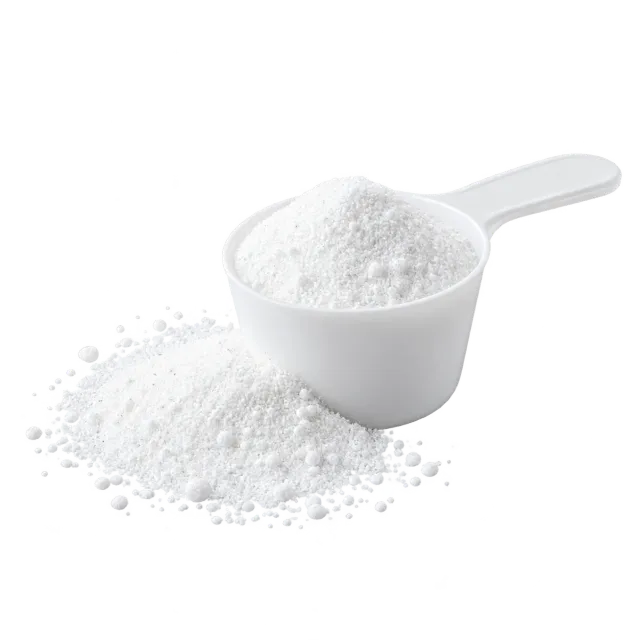
Machine or hand-washing powder with common anionic or nonionic surfactants and no listed bleach or disinfectant.
For dogs and cats
Conditions and restrictions
This variant covers traditional powder with anionic or nonionic surfactants and no listed bleach or disinfectant. It still must not be offered or left within reach.
Benefits
There is no benefit from ingestion.
Risks
- Local irritation of the mouth and gastrointestinal tract is most common, with drooling, vomiting or diarrhoea.
- Heavy foaming and vomiting increase the risk of detergent entering the lungs.
Already eaten — what now?
After a trace accidental exposure, remove residue, clean the mouth and monitor. Call a vet for vomiting, diarrhoea, drooling, coughing, lethargy or refusal to eat; discuss a noticeable or unknown amount promptly. Difficult breathing and repeated vomiting need urgent care. Do not induce vomiting.
Diluted solution and wash waterFor dogs and cats: Dangerous
Water containing dissolved powder, a soaking solution, or wet residue on floors, paws or fur.
For dogs and cats
Conditions and restrictions
Do not allow a pet to drink soaking or hand-wash water or lick wet detergent from the floor, paws or coat. Rinse cleaned surfaces with plain water and let them dry.
Benefits
There is no benefit from drinking it.
Risks
- Dilution lowers the concentration, but the solution can still cause drooling, vomiting, diarrhoea and eye irritation.
- A cat or dog may swallow more detergent while grooming contaminated fur.
Already eaten — what now?
Remove the detergent water and rinse solution from paws or fur while preventing grooming. After one small sip in a pet without signs, monitor and keep the package available. Seek help for repeated vomiting, coughing, difficult breathing, eye pain or lethargy. Do not induce vomiting.
With bleach or disinfectantFor dogs and cats: Dangerous · Urgent help needed
Laundry powder or booster containing peroxide or chlorine bleach, strong alkali or a cationic disinfectant.
For dogs and cats
Conditions and restrictions
Check the label for peroxide or chlorine bleach, active oxygen, disinfectant, cationic surfactants and corrosive warnings. Keep these mixtures closed and never transfer them into food containers.
Benefits
There is no benefit from ingestion.
Risks
- Added oxidisers, alkalis or cationic disinfectants may cause ulcers and burns of the mouth, throat, oesophagus and stomach.
- Eye or airway exposure may cause more severe injury than ordinary powder.
Already eaten — what now?
Contact a veterinary clinic immediately and read the exact product name and ingredients from the label. Do not induce vomiting, give activated charcoal or try to neutralise the product with acid or alkali. Leave at once for pain, mouth ulcers, inability to swallow, coughing or altered breathing.
Conditions and risks
For dogs and cats
Conditions and restrictions
Do not give the powder by mouth or use it to wash an animal. Store it closed and away from food, bowls and medicines. Keep pets away from an open package, spilled powder, the measuring scoop and detergent water.
Benefits
There is no benefit from ingestion. The product is only for laundry use according to its label.
Risks
- Surfactants irritate mucous membranes and may cause drooling, nausea, vomiting and diarrhoea.
- Foam or vomit can enter the airways and cause chemical inflammation of the lungs.
- Dust irritates the eyes and airways. Products containing bleach, strong alkali or disinfectant may cause deeper tissue injury.
This card covers household powder used to wash clothes. Concentrated liquid pods are outside its scope: dogs developed clinical signs more often after pod exposure than after traditional liquid or powder detergent. If the powder contains a chlorine bleach, also use the chlorine bleach card.
Sources
- MSD Veterinary Manual: Toxicoses From Household Cleaners and Personal Care Products in Animals
- Handley and Hovda: Risks of exposure to liquid laundry detergent pods compared to traditional laundry detergents in dogs
- ASPCApro: Understanding and Treating Laundry Detergent Ingestion
- ASPCApro: Ingredients and Toxicities of Cleaning Products
- Pet Poison Helpline: Detergents
- MSD Veterinary Manual: Toxicoses From Corrosive Agents in Animals
- American College of Veterinary Pharmacists: Laundry Detergent
Comments
No comments yet.