
Already eaten — what now?
For dogs and cats
If your pet ate a little plain zucchini and seems well, observe them. Call a veterinarian for repeated vomiting, pain, diarrhoea or lethargy. After bitter fruit or a dish with onion or garlic, contact a veterinarian straight away, even without symptoms. Choking, breathing difficulty or collapse needs immediate care. Do not induce vomiting yourself.
Variants and ingredients
Raw or cooked, plainFor dogs and cats: Acceptable
Ordinary non-bitter edible zucchini or courgette.
For dogs and cats
Conditions and restrictions
Wash the fruit, remove the stalk and tough parts, and cut it small. Serve raw or soft boiled, steamed or baked zucchini without additions. Start with a small piece. All treats together should provide less than 10% of daily calories. Ask your veterinarian first if your pet is on a prescribed diet.
Risks
- Large or tough pieces can cause choking.
- Too much unfamiliar food may upset the digestive system.
Already eaten — what now?
If your pet ate a little plain zucchini and seems well, observe them. Call a veterinarian for repeated vomiting, pain, diarrhoea or lethargy. After bitter fruit or a dish with onion or garlic, contact a veterinarian straight away, even without symptoms. Choking, breathing difficulty or collapse needs immediate care. Do not induce vomiting yourself.
For dogs
Benefits
An optional small treat if your pet enjoys it. There is no need to add zucchini to an already complete diet.
For cats
Benefits
If your cat likes zucchini, you can offer a small piece. This vegetable is optional and does not replace complete cat food.
Fried with oil and a little saltFor dogs and cats: With restrictions
Fully known ingredients, without onion, garlic or other additions.
For dogs and cats
Conditions and restrictions
This variant covers only zucchini with vegetable oil and a little salt, without onion, garlic, sauce or other additions. Do not make it a regular treat. Check the full recipe for spreads, fritters or bakes; an unknown recipe is outside this rating.
Benefits
There is no special benefit. Set aside some plain zucchini before frying if you want to offer a treat.
Risks
- Oil adds calories, and fatty food can upset the digestive system.
Already eaten — what now?
Observe after a small piece with known ingredients if there are no symptoms. Call a veterinarian after a large amount, if your pet has pancreatic disease, or if vomiting, pain or lethargy develops. For an unknown recipe, keep the packaging or recipe and ask a veterinarian to assess the risk.
With onion or garlicFor dogs and cats: Dangerous · Urgent help needed
Dishes containing Allium, including powdered forms.
For dogs and cats
Conditions and restrictions
Do not offer zucchini with onion, garlic or their powders, including in spreads, stews and fritters. Cooking does not remove the Allium hazard.
Benefits
Do not offer this to your pet.
Already eaten — what now?
Call a veterinarian straight away. Give the ingredients, approximate amount, time and your pet’s weight; do not wait for signs or induce vomiting without veterinary direction. Weakness, pale gums, dark urine or laboured breathing need urgent assessment.
For dogs
Risks
- Onion and garlic damage red blood cells and can cause anaemia. Signs may take several days to appear.
For cats
Risks
- Cats are more susceptible to Allium. Onion and garlic damage red blood cells and can cause anaemia; signs may take several days to appear.
Bitter fruitFor dogs and cats: Dangerous · Urgent help needed
Noticeable bitterness in raw zucchini or the finished dish.
For dogs and cats
Conditions and restrictions
Do not feed noticeably bitter fruit or food made from it. Bitterness can signal cucurbitacins, which heating does not destroy.
Benefits
Unsuitable for feeding.
Risks
- Cucurbitacins can cause severe digestive irritation. No reliable safe serving of bitter zucchini has been established for dogs or cats.
Already eaten — what now?
Contact a veterinarian straight away and report the bitterness, amount and timing. Remove the leftovers and keep a sample for the veterinarian. Do not induce vomiting yourself. Repeated vomiting, severe pain, bloody diarrhoea, marked weakness or collapse needs immediate care.
Conditions and risks
For dogs and cats
Conditions and restrictions
Wash the fruit, remove the stalk and tough parts, and cut it small. Serve raw or soft boiled, steamed or baked zucchini without additions. Start with a small piece. All treats together should provide less than 10% of daily calories. Ask your veterinarian first if your pet is on a prescribed diet.
Risks
- Large or tough pieces can cause choking.
- Too much unfamiliar food may upset the digestive system.
For dogs
Benefits
An optional small treat if your pet enjoys it. There is no need to add zucchini to an already complete diet.
For cats
Benefits
If your cat likes zucchini, you can offer a small piece. This vegetable is optional and does not replace complete cat food.
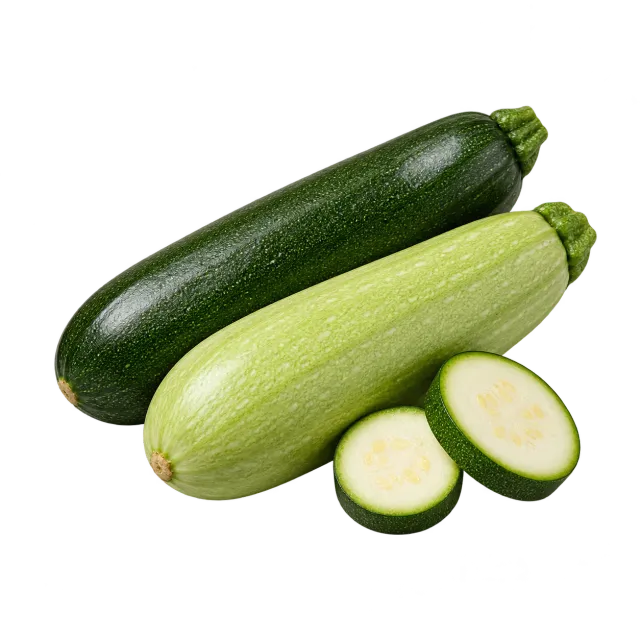
This card covers edible zucchini, also called courgette. The green rating applies to a small amount of the plain fruit. Check the recipe for zucchini spread, fritters and bakes: a dish name does not tell you its ingredients.
Sources
- ASPCA Poison Control: Zucchini Squash
- ASPCA: Pets and Produce, Vegetable Garden Safety
- WSAVA: Feeding treats to your dog
- WSAVA: Feeding treats to your cat
- Merck Veterinary Manual: Garlic and Onion (Allium spp) Toxicosis in Animals
- VPIS: Pumpkins, bitter Cucurbitaceae and pets
- BZfE: Bittere Kürbisse und Zucchini nicht essen
- ASPCA: Is It Ever Safe to Induce Vomiting?
Comments
No comments yet.