
Already eaten — what now?
For dogs
Remove the product, keep the packaging and wipe foam from the mouth with a damp cloth. If the dog is alert and swallowing normally, offer a little water without forcing it. Do not induce vomiting. Observe after a small amount of ordinary soap if no signs develop. Call a veterinarian promptly for an unknown formula, a noticeable amount, pain, ulcers, repeated vomiting, coughing or altered breathing.
For cats
Remove the product, keep the packaging and wipe foam from the mouth with a damp cloth. Prevent the cat from grooming contaminated fur and rinse the soap away with water. If the cat is alert and swallowing normally, offer a little water without forcing it. Do not induce vomiting. Call a veterinarian promptly for an unknown formula, a noticeable amount, pain, ulcers, drooling, repeated vomiting, coughing or altered breathing.
Variants and ingredients
Ordinary liquid soapFor dogs and cats: Dangerous
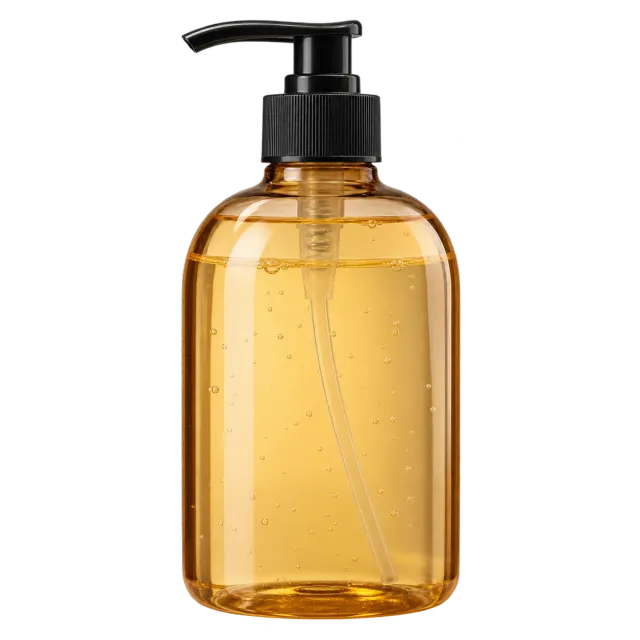
Ready-to-use hand or body soap with anionic or nonionic surfactants and a moderate pH.
For dogs and cats
Conditions and restrictions
Do not offer it to a pet. This variant means a ready-to-use, moderate-pH liquid soap with anionic or nonionic surfactants, without a strong alkali or cationic antiseptic.
Benefits
There is no benefit from swallowing it.
For dogs
Risks
- Mild mouth irritation, drooling, nausea, vomiting or diarrhoea are the usual effects.
- Heavy foaming and repeated vomiting increase the risk of material entering the airways.
Already eaten — what now?
After one small accidental lick, remove the soap, wipe away foam and offer a little water if the dog swallows normally. Observe. Call a veterinarian for repeated vomiting, severe diarrhoea, coughing, lethargy or difficult breathing. Do not induce vomiting.
For cats
Risks
- Mild mouth irritation, drooling, nausea, vomiting or diarrhoea are the usual effects.
- Soap left on the coat prolongs exposure and is swallowed during grooming. Concentrated sodium lauryl sulfate can cause respiratory problems.
Already eaten — what now?
After one small accidental lick, remove the soap, wipe away foam and offer a little water if the cat swallows normally. Rinse it from the coat so grooming does not continue the exposure. Call a veterinarian for repeated vomiting, severe diarrhoea, coughing, lethargy or difficult breathing. Do not induce vomiting.
Antibacterial soap with cationic surfactantsFor dogs and cats: Dangerous · Urgent help needed
A formula containing benzalkonium chloride, benzethonium chloride, cetrimonium bromide or another quaternary ammonium compound.
For dogs and cats
Conditions and restrictions
Do not feed or apply it to a pet. Check the label for benzalkonium chloride, benzethonium chloride, cetrimonium bromide and other quaternary ammonium compounds. The word “antibacterial” alone does not identify the exact risk.
Benefits
There is no benefit from swallowing it.
For dogs
Risks
- Cationic surfactants disrupt lipid membranes and can chemically injure the mouth, oesophagus and stomach.
- Pain, drooling, ulcers, swelling of the tongue or throat, vomiting and refusal to eat may occur. Severe exposure can affect the respiratory and nervous systems.
Already eaten — what now?
Remove the product, prevent the dog from licking it from the coat and call a veterinarian promptly. Keep the packaging and report the ingredients, concentration, time and possible amount. Difficulty swallowing or breathing, swelling, ulcers, severe pain, weakness or collapse need immediate help. Do not induce vomiting or try to neutralise the product.
For cats
Risks
- Cats are particularly sensitive to cationic surfactants and may swallow the product while grooming contaminated fur.
- In a series of 245 cats exposed to benzalkonium chloride, the most frequent findings were drooling, tongue ulceration, raised body temperature and oral ulceration.
- Swelling of the tongue or throat, vomiting, refusal to eat, respiratory signs and neurological problems can occur. Injury is not always obvious at first.
Already eaten — what now?
Prevent grooming, rinse the product from the coat with water and call a veterinarian promptly. Keep the packaging and report the ingredients, concentration, time and possible amount. Difficulty swallowing or breathing, swelling, ulcers, severe pain, weakness or collapse need immediate help. Do not induce vomiting or try to neutralise the product.
Conditions and risks
For dogs and cats
Conditions and restrictions
Do not feed it or use it instead of a veterinary shampoo. Keep the pump bottle and refill closed. After exposure, read the label first because risk depends on the surfactant class, pH, concentration, added ingredients and amount.
Benefits
There is no benefit from swallowing it. Liquid soap is made for washing human skin and is not suitable as food or coat care for a pet.
For dogs
Risks
- Common anionic and nonionic surfactants irritate the mouth and gastrointestinal tract. Drooling, nausea, vomiting and diarrhoea may follow.
- Foam or vomit can enter the airways. Coughing, noisy breathing or breathlessness after exposure is more concerning than a simple stomach upset.
- Cationic surfactants, including benzalkonium chloride, injure mucous membranes more severely and can cause ulcers in the mouth, oesophagus and stomach.
For cats
Risks
- Common anionic and nonionic surfactants irritate the mouth and gastrointestinal tract. Drooling, nausea, vomiting and diarrhoea may follow.
- A cat can take in more soap while grooming it from the coat. Respiratory distress and pulmonary oedema have been reported after this type of exposure to concentrated sodium lauryl sulfate.
- Cationic surfactants are especially hazardous to cats. Benzalkonium chloride exposure has been associated with painful tongue and mouth ulcers, drooling and systemic signs.
This card covers liquid hand and body soap. Dishwashing liquids, laundry products, automatic dishwasher detergents and household cleaners have different formulas and need separate assessment. Check the full ingredient list even when a soap is simply labelled “antibacterial”.
Sources
- MSD Veterinary Manual: Toxicoses From Household Cleaners and Personal Care Products in Animals
- MSD Veterinary Manual: Surface-active Compounds as Antiseptics and Disinfectants for Use With Animals
- ASPCA Animal Poison Control: Ingredients and Toxicities of Cleaning Products
- Bates et al. (2015): Benzalkonium chloride exposure in cats, 245 VPIS cases
- Giudice et al. (2024): A case of severe benzalkonium chloride intoxication in a cat
- MSD Veterinary Manual: Principles of Toxicosis Treatment in Animals
Comments
No comments yet.