
Can I give it?
For dogs and cats: Only as prescribed by a veterinarian
Conditions and risksAlready eaten — what now?Check the variant (4)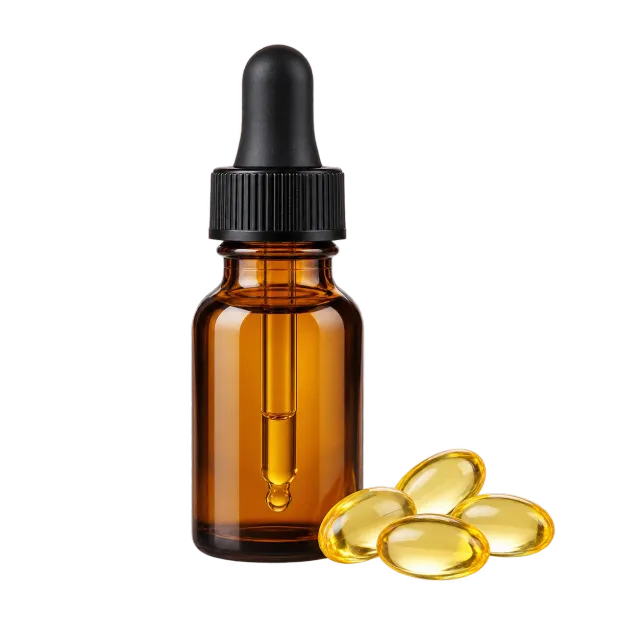
Already eaten — what now?
For dogs and cats
Urgent help neededCall a veterinarian straight away. Report the species, weight, product name and form, strength per drop or capsule, possible amount and time. Keep the package and photograph the ingredient list. Do not induce vomiting or give activated charcoal, oil, milk, food or medicine unless instructed.
Variants and ingredients
Veterinarian-prescribed useFor dogs and cats: With restrictionsFor dogs and cats: Only as prescribed by a veterinarian
The exact formulation, strength, dose, duration and monitoring for an individual patient.
For dogs and cats
Conditions and restrictions
Give only the prescribed product at the stated strength, dose and duration. Do not replace drops with a capsule or convert international units to micrograms yourself. Attend the prescribed blood tests and rechecks.
Benefits
Vitamin D is needed for calcium and phosphorus metabolism. A veterinarian may prescribe cholecalciferol for a confirmed need or as part of a specific treatment plan.
Risks
- Excess cholecalciferol raises calcium and phosphorus in the blood.
- Sustained high calcium and phosphorus can mineralise soft tissues, especially the kidneys, and cause acute or chronic kidney injury.
- Possible signs include loss of appetite, vomiting, weakness, dehydration, marked thirst and frequent urination. A lack of early signs does not rule out poisoning.
Already eaten — what now?
If the exact prescribed dose was given, continue according to the plan. Stop the product and call promptly after an extra dose, a strength mix-up, repeated vomiting, loss of appetite, weakness, marked thirst or frequent urination.
One known dose of a pure supplementFor dogs and cats: With restrictions · Urgent help needed
An accidentally swallowed capsule or measured portion with no other active ingredients.
For dogs and cats
Conditions and restrictions
One accidental exposure to pure vitamin D₃ with an exactly known strength and amount. This rating does not cover chewable products, multivitamins or syrups with other ingredients.
Benefits
Accidental ingestion offers no benefit.
Risks
- Excess cholecalciferol raises calcium and phosphorus in the blood.
- Sustained high calcium and phosphorus can mineralise soft tissues, especially the kidneys, and cause acute or chronic kidney injury.
- Possible signs include loss of appetite, vomiting, weakness, dehydration, marked thirst and frequent urination. A lack of early signs does not rule out poisoning.
Already eaten — what now?
Call a veterinarian straight away and read out the strength, amount, time and pet’s weight from the package. The veterinarian will assess the dose per kilogram and decide whether an examination and blood tests are needed. Do not wait for signs or treat at home.
Unknown amount, multiple doses, concentrate or symptomsFor dogs and cats: Dangerous · Especially dangerous
A high-risk situation involving a toxic dose or developing poisoning.
For dogs and cats
Conditions and restrictions
An unknown amount, several capsules or doses, concentrated drops, a unit mix-up or any symptoms. This situation needs emergency assessment even if the pet still appears normal.
Benefits
Accidental ingestion offers no benefit.
Risks
- Excess cholecalciferol raises calcium and phosphorus in the blood.
- Sustained high calcium and phosphorus can mineralise soft tissues, especially the kidneys, and cause acute or chronic kidney injury.
- Possible signs include loss of appetite, vomiting, weakness, dehydration, marked thirst and frequent urination. A lack of early signs does not rule out poisoning.
Already eaten — what now?
Call a clinic immediately and prepare to travel. Take the package, dropper or dispenser and a list of other supplements and medicines. Do not wait for thirst or vomiting and do not use home remedies.
Cholecalciferol rodent baitFor dogs and cats: Dangerous · Especially dangerous
A concentrated rodenticide, not a nutritional supplement.
For dogs and cats
Conditions and restrictions
Any possible ingestion of rodent bait containing cholecalciferol. Rodenticide concentrations are far above dietary requirements, and the bait’s appearance cannot show a safe amount.
Benefits
Rodent bait offers no benefit to a pet.
Risks
- Excess cholecalciferol raises calcium and phosphorus in the blood.
- Sustained high calcium and phosphorus can mineralise soft tissues, especially the kidneys, and cause acute or chronic kidney injury.
- Possible signs include loss of appetite, vomiting, weakness, dehydration, marked thirst and frequent urination. A lack of early signs does not rule out poisoning.
Already eaten — what now?
Call an open clinic immediately and travel as directed. Take the package or a photograph of the label. Do not induce vomiting or give vitamin K, milk, oil, food or activated charcoal on your own.
Conditions and risks
For dogs and cats
Conditions and restrictions
Do not add human or veterinary vitamin D₃ products to the diet without direct veterinary instruction. Store drops, capsules, chewable products and bait away from pet food and out of reach.
Benefits
An unsupervised supplement offers no justified benefit. Complete food usually covers dietary needs, and a veterinarian decides whether treatment is needed.
Risks
- Excess cholecalciferol raises calcium and phosphorus in the blood.
- Sustained high calcium and phosphorus can mineralise soft tissues, especially the kidneys, and cause acute or chronic kidney injury.
- Possible signs include loss of appetite, vomiting, weakness, dehydration, marked thirst and frequent urination. A lack of early signs does not rule out poisoning.
This card covers cholecalciferol, or vitamin D₃, in supplements and medicines. Vitamin D₂, calcitriol, calcipotriol and combination products need separate assessment. Complete pet food already contains a formulated amount of vitamin D, so do not add a supplement unless a veterinarian has prescribed it.
Check every ingredient in a chewable supplement, syrup or multivitamin. Xylitol matters especially for dogs and may be dangerous regardless of the vitamin D₃ dose.
If the package says bait, rodenticide or cholecalciferol bait, follow our guide to rat and mouse poison.
Sources
- FDA: Vitamin D Toxicity in Dogs
- Merck Veterinary Manual: Cholecalciferol (Vitamin D3) Poisoning in Animals
- Merck Veterinary Manual: Toxicoses in Animals From Human Multivitamins and Supplements
- AAFCO: Supplements for Dogs and Cats
- FEDIAF: Nutritional Guidelines for Complete and Complementary Pet Food for Cats and Dogs (2025)
- Vecchiato et al. (2021): Vitamin D3 Toxicity Observed in Five Cats
- McMillan and Van Soens (2026): Acute vitamin D toxicosis in an adult cat
- Goy-Thollot et al. (2023): Intravenous lipid emulsion therapy in dogs and cats with vitamin D toxicosis
Comments
No comments yet.