
Already eaten — what now?
For dogs and cats
Urgent help neededRemove the remaining nails and call a veterinary clinic urgently. Report your pet’s species and weight, when it happened, the number, length and type of nail, its material or coating if known, and any signs. Do not induce vomiting, give food, oil or fibre to “push” the object through, or pull a nail embedded in tissue. Leave for an open clinic immediately if breathing or swallowing is difficult, there is severe pain or blood, vomiting repeats, or your pet becomes suddenly weak or collapses.
Variants and ingredients
One nail, no signs yetFor dogs and cats: Dangerous · Urgent help needed
Swallowing was witnessed or is suspected, but the pet is breathing, swallowing and behaving normally.
For dogs and cats
Conditions and restrictions
Keep nails and building debris out of reach. If a nail is missing, was in your pet’s mouth or may have been swallowed, treat it as urgent even if the dog or cat looks well. Do not wait at home for it to pass.
Benefits
There is no benefit. A nail must not be offered for play, chewing or “tooth exercise”.
Risks
- The point can injure the mouth, throat or oesophagus, become lodged and interfere with breathing or swallowing.
- A nail can injure or perforate the stomach or intestine, causing bleeding, peritonitis or sepsis.
- The object may stop moving and cause partial or complete obstruction.
- A galvanized or other zinc-containing nail retained in the stomach can cause vomiting, haemolysis, anaemia and organ injury.
Already eaten — what now?
Remove the remaining nails and call a veterinary clinic urgently. Report your pet’s species and weight, when it happened, the number, length and type of nail, its material or coating if known, and any signs. Do not induce vomiting, give food, oil or fibre to “push” the object through, or pull a nail embedded in tissue. Leave for an open clinic immediately if breathing or swallowing is difficult, there is severe pain or blood, vomiting repeats, or your pet becomes suddenly weak or collapses.
Galvanized nail or unknown coatingFor dogs and cats: Dangerous · Urgent help needed
The nail is galvanized, appears metal-coated, or its material and coating cannot be established.
For dogs and cats
Conditions and restrictions
Tell the veterinarian if the nail is galvanized or its coating is unknown. Do not scrape the coating or test the metal with household chemicals. Mechanical injury remains the immediate concern, while zinc can add systemic toxicity if the object stays in the stomach.
Benefits
There is no benefit. A nail must not be offered for play, chewing or “tooth exercise”.
Risks
- The point can injure the mouth, throat or oesophagus, become lodged and interfere with breathing or swallowing.
- A nail can injure or perforate the stomach or intestine, causing bleeding, peritonitis or sepsis.
- The object may stop moving and cause partial or complete obstruction.
- A galvanized or other zinc-containing nail retained in the stomach can cause vomiting, haemolysis, anaemia and organ injury.
- Later signs of zinc toxicosis can include pale or yellow mucous membranes, dark urine, worsening weakness and persistent gastrointestinal upset.
Already eaten — what now?
Remove the remaining nails and call a veterinary clinic urgently. Report your pet’s species and weight, when it happened, the number, length and type of nail, its material or coating if known, and any signs. Do not induce vomiting, give food, oil or fibre to “push” the object through, or pull a nail embedded in tissue. Leave for an open clinic immediately if breathing or swallowing is difficult, there is severe pain or blood, vomiting repeats, or your pet becomes suddenly weak or collapses.
Nail lodged or severe signs presentFor dogs and cats: Dangerous · Especially dangerous
The nail is visibly lodged, or the pet has trouble breathing or swallowing, blood, severe pain, repeated vomiting, profound weakness or collapse.
For dogs and cats
Conditions and restrictions
This variant covers a nail visibly lodged in the mouth or tissue, and any difficulty breathing or swallowing, blood, severe pain, repeated vomiting or unproductive retching, profound weakness or collapse.
Benefits
There is no benefit. A nail must not be offered for play, chewing or “tooth exercise”.
Risks
- The point can injure the mouth, throat or oesophagus, become lodged and interfere with breathing or swallowing.
- A nail can injure or perforate the stomach or intestine, causing bleeding, peritonitis or sepsis.
- The object may stop moving and cause partial or complete obstruction.
- A galvanized or other zinc-containing nail retained in the stomach can cause vomiting, haemolysis, anaemia and organ injury.
Already eaten — what now?
Do not pull or push the nail. Minimise movement and leave for an open veterinary clinic immediately. Call while travelling if another person can do so safely. Give nothing by mouth.
Conditions and risks
For dogs and cats
Conditions and restrictions
Keep nails and building debris out of reach. If a nail is missing, was in your pet’s mouth or may have been swallowed, treat it as urgent even if the dog or cat looks well. Do not wait at home for it to pass.
Benefits
There is no benefit. A nail must not be offered for play, chewing or “tooth exercise”.
Risks
- The point can injure the mouth, throat or oesophagus, become lodged and interfere with breathing or swallowing.
- A nail can injure or perforate the stomach or intestine, causing bleeding, peritonitis or sepsis.
- The object may stop moving and cause partial or complete obstruction.
- A galvanized or other zinc-containing nail retained in the stomach can cause vomiting, haemolysis, anaemia and organ injury.
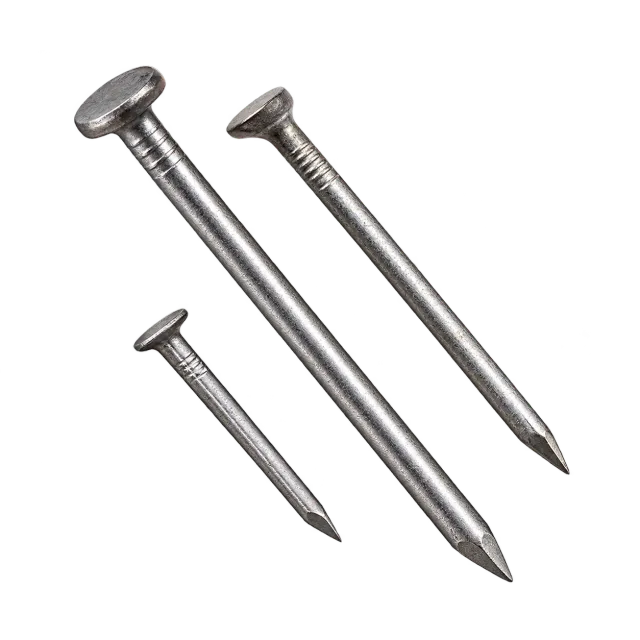
This card covers an ordinary metal construction nail. Screws, staples, needles, hooks, magnets and batteries have different hazards. Like bones, a nail can lodge or injure the digestive tract, but sharp metal needs its own assessment.
Sources
- American College of Veterinary Surgeons: Gastrointestinal Foreign Bodies
- Crinò et al. (2023): Conservative management of metallic sharp-pointed straight gastric and intestinal foreign bodies in dogs and cats
- Pratt et al. (2014): Sewing needle foreign body ingestion in dogs and cats: 65 cases
- Hayes (2009): Gastrointestinal foreign bodies in dogs and cats: a retrospective study of 208 cases
- Merck Veterinary Manual: Zinc Toxicosis in Animals
- Henke et al. (2023): Zinc toxicosis due to metallic foreign bodies in dogs: 55 cases
- Suter et al. (2022): Zinc toxicosis in a cat associated with ingestion of a metal screw nut
- VCA Animal Hospitals: Toxic Household Hazards for Dogs
Comments
No comments yet.