
Can I give it?
For dogs and cats: Only as prescribed by a veterinarian
Conditions and risksAlready eaten — what now?Check the variant (3)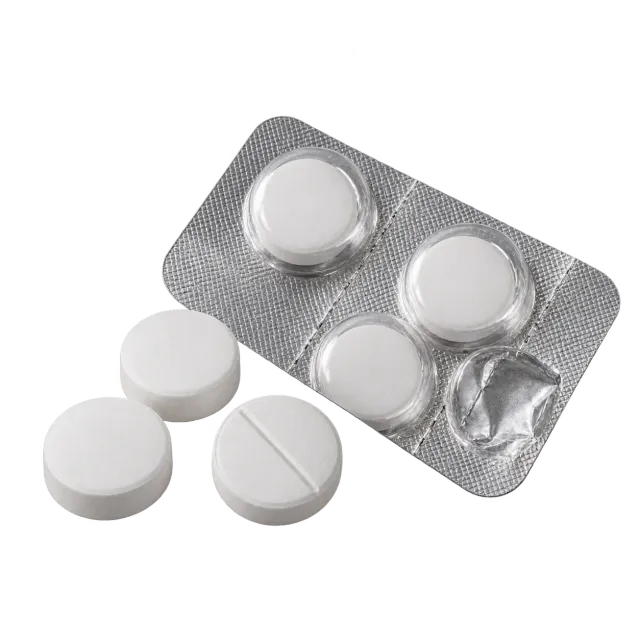
Already eaten — what now?
For dogs and cats
Urgent help neededCall a veterinarian straight away, even if there are no signs yet. Report the species, weight, tablet name and strength, possible amount, time, medical conditions and other medicines. Keep the package. Do not induce vomiting or give activated charcoal, food, milk or another medicine unless instructed. Leave for an open clinic immediately for breathing difficulty, seizures, collapse, blood in vomit or black stool.
Variants and ingredients
Veterinarian-prescribed useFor dogs and cats: With restrictionsFor dogs and cats: Only as prescribed by a veterinarian
An individual plan with the exact formulation, dose, interval and monitoring.
For dogs and cats
Conditions and restrictions
Give only the prescribed formulation at the exact dose and interval. Do not double a missed dose, change the frequency or add another pain reliever. The veterinarian may recommend tests and monitoring before and during treatment.
Benefits
In selected cases, a veterinarian may use aspirin as an anti-inflammatory or antiplatelet medicine. The decision depends on the diagnosis, other medicines and organ function.
Already eaten — what now?
If the exact prescribed dose was given, continue according to the veterinarian’s plan. Stop the medicine and call promptly for vomiting, diarrhoea, loss of appetite, lethargy, abdominal pain, black stool, unusual breathing or jaundice. Treat an extra or early dose as an overdose and call immediately.
For dogs
Risks
- Irritation, ulceration, perforation and bleeding in the stomach or intestines.
- Kidney or liver injury, especially with dehydration, underlying illness, overdose or a drug interaction.
- Severe poisoning may cause rapid or deep breathing, high temperature, acid-base disturbance, weakness, poor coordination, seizures and coma.
For cats
Risks
- Irritation, ulceration, perforation and bleeding in the stomach or intestines.
- Kidney or liver injury, especially with dehydration, underlying illness, overdose or a drug interaction.
- Severe poisoning may cause rapid or deep breathing, high temperature, acid-base disturbance, weakness, poor coordination, seizures and coma.
- Cats clear salicylate more slowly than dogs, so an incorrect interval and repeated doses can lead to accumulation.
Accidental or unsupervised doseFor dogs and cats: Dangerous · Urgent help needed
Any unplanned tablet, including low-dose and enteric-coated products.
For dogs and cats
Conditions and restrictions
This variant covers any unplanned tablet: standard, low-dose, buffered or enteric-coated. Do not wait for signs or judge the risk from the word “baby”.
Benefits
Accidental ingestion offers no benefit.
Already eaten — what now?
Call a veterinarian straight away, even if there are no signs yet. Report the species, weight, tablet name and strength, possible amount, time, medical conditions and other medicines. Keep the package. Do not induce vomiting or give activated charcoal, food, milk or another medicine unless instructed. Leave for an open clinic immediately for breathing difficulty, seizures, collapse, blood in vomit or black stool.
For dogs
Risks
- Irritation, ulceration, perforation and bleeding in the stomach or intestines.
- Kidney or liver injury, especially with dehydration, underlying illness, overdose or a drug interaction.
- Severe poisoning may cause rapid or deep breathing, high temperature, acid-base disturbance, weakness, poor coordination, seizures and coma.
For cats
Risks
- Irritation, ulceration, perforation and bleeding in the stomach or intestines.
- Kidney or liver injury, especially with dehydration, underlying illness, overdose or a drug interaction.
- Severe poisoning may cause rapid or deep breathing, high temperature, acid-base disturbance, weakness, poor coordination, seizures and coma.
- Cats clear salicylate more slowly than dogs, so an incorrect interval and repeated doses can lead to accumulation.
Repeated doses, unknown amount or symptomsFor dogs and cats: Dangerous · Especially dangerous
A high-risk situation involving accumulation or developing poisoning.
For dogs and cats
Conditions and restrictions
This group covers an unknown amount, several tablets, repeated doses, an extra prescribed dose or any symptoms. Risk is also higher with kidney or liver disease, dehydration, or concurrent use of another NSAID or corticosteroid.
Benefits
Accidental ingestion offers no benefit.
Already eaten — what now?
Call a veterinarian immediately and prepare to travel to an open clinic. Take the package and medicine list. Do not wait for vomiting or black stool: absorption from an enteric-coated product may be unpredictable, and organ injury can appear later. Do not treat at home or induce vomiting without direct veterinary instruction.
For dogs
Risks
- Irritation, ulceration, perforation and bleeding in the stomach or intestines.
- Kidney or liver injury, especially with dehydration, underlying illness, overdose or a drug interaction.
- Severe poisoning may cause rapid or deep breathing, high temperature, acid-base disturbance, weakness, poor coordination, seizures and coma.
For cats
Risks
- Irritation, ulceration, perforation and bleeding in the stomach or intestines.
- Kidney or liver injury, especially with dehydration, underlying illness, overdose or a drug interaction.
- Severe poisoning may cause rapid or deep breathing, high temperature, acid-base disturbance, weakness, poor coordination, seizures and coma.
- Cats clear salicylate more slowly than dogs, so an incorrect interval and repeated doses can lead to accumulation.
Conditions and risks
For dogs and cats
Conditions and restrictions
Do not give it without direct veterinary instruction. If it is prescribed, use only the stated formulation, dose, interval and duration. Do not combine aspirin with another NSAID or a corticosteroid, and do not substitute a human tablet for the prescribed product without checking first.
Benefits
Unsupervised use offers no justified benefit. A veterinarian may choose aspirin for an individual patient when the expected benefit outweighs the risk and treatment can be monitored.
For dogs
Risks
- Irritation, ulceration, perforation and bleeding in the stomach or intestines.
- Kidney or liver injury, especially with dehydration, underlying illness, overdose or a drug interaction.
- Severe poisoning may cause rapid or deep breathing, high temperature, acid-base disturbance, weakness, poor coordination, seizures and coma.
For cats
Risks
- Irritation, ulceration, perforation and bleeding in the stomach or intestines.
- Kidney or liver injury, especially with dehydration, underlying illness, overdose or a drug interaction.
- Severe poisoning may cause rapid or deep breathing, high temperature, acid-base disturbance, weakness, poor coordination, seizures and coma.
- Cats clear salicylate more slowly than dogs, so an incorrect interval and repeated doses can lead to accumulation.
This card covers acetylsalicylic acid, or aspirin, in standard and enteric-coated tablets. Other salicylates and combination medicines may carry additional risks. After an accidental ingestion, photograph both sides of the package and tell the veterinarian every active ingredient.
Sources
- FDA: Frequently Asked Questions about Animal Drugs
- FDA: Get the Facts about Pain Relievers for Pets
- Merck Veterinary Manual: Toxicosis in Animals From Human Topical Agents (Salicylate toxicoses)
- AAHA/AAFP: 2015 Pain Management Guidelines for Dogs and Cats
- Parton et al. (2000): Pharmacokinetics and effects of salicylate in healthy cats
- Court (2013): Feline drug metabolism and disposition
Comments
No comments yet.